
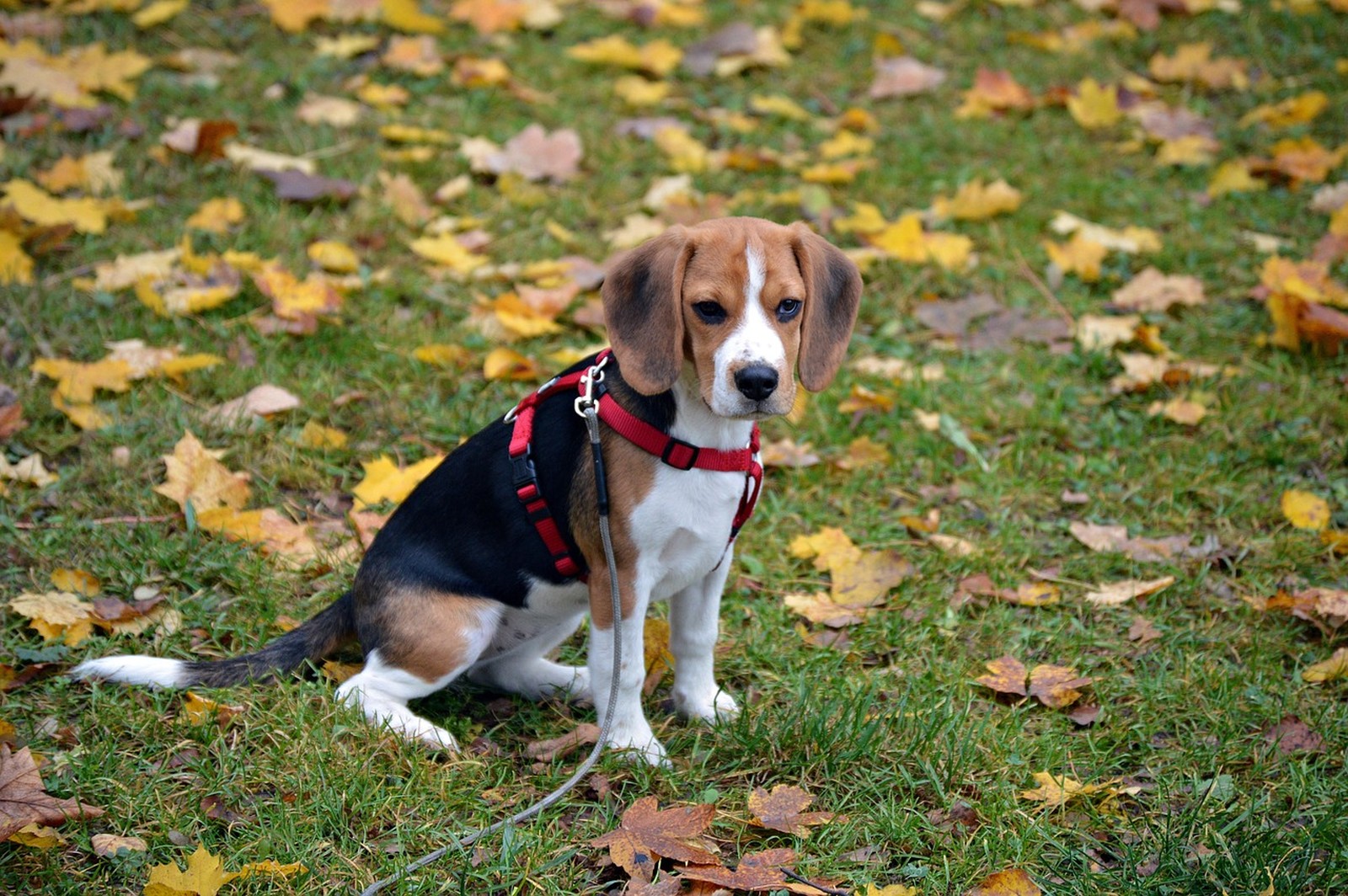
Where Beagle Searches Should Start
Begin with the channels built for the breed: the national Beagle club's breeder referral list, regional Beagle clubs, and dedicated Beagle rescues. Beagles are among the most commonly surrendered hounds because their famous voice and scent-driven independence surprise unprepared owners — which means breed rescues routinely have puppies, adults, and seniors waiting, many assessed in foster homes. A rescue Beagle is not a consolation prize; for many families, an adult whose barking level and temperament are already known is the smartest route into the breed.
Shows, field trials, and hunt tests also put you in a room with serious Beagle people. Even if you want a pet rather than a competitor, breeders who prove their dogs in some venue tend to breed thoughtfully and support their buyers.
Signs of a Good Beagle Breeder
A good Beagle breeder breeds occasionally, knows each puppy individually, and invites you to meet the mother — Beagle dams are usually friendly, and her temperament is your best forecast. Expect frank conversation about the breed's realities: the baying that carries across a neighborhood, the nose that overrides recall the moment a scent lands, and the determination that makes Beagles champion escape artists and counter-surfers. A breeder who skips the hard parts is selling, not placing.
Health practices should be visible without you having to extract them: breeding dogs examined and screened for the conditions the breed's health bodies recommend, puppies vet-checked and started on socialization, a written contract, and a lifetime take-back commitment. The breeder will interview you as thoroughly as you interview them — about fencing, alone hours, and your tolerance for noise — and will be reachable for advice years later.
What a Good Beagle Rescue Looks Like
Quality Beagle rescues foster their dogs in homes where possible and report what foster families actually observe: how much the dog bays, whether he can settle indoors, his housetraining status, and how he does with children, cats, and other dogs. They spay or neuter, vaccinate, test and treat for common parasites, and are honest about the breed's adjustment pattern — a rescued Beagle may take weeks to stop scanning fences and food surfaces.
Expect an application, questions about your fencing (Beagles dig and climb better than their size suggests), and a home check or reference calls. That diligence protects the dog's second chance, and it should reassure you rather than annoy you.
Sellers and Listings to Walk Away From
Be wary of anyone with Beagle puppies always available, multiple unrelated breeds on the same property, prices that change with the puppy's coloring stories, or a refusal to let you visit and see where the litter lives. Online listings that ship a puppy sight unseen from a seller who asks nothing about your home are the opposite of how good Beagles change hands. The same applies to rescues that will not disclose health or behavior findings, or that pressure you to decide during the first meeting.
A little patience through the breed club, a good breeder's waitlist, or a rescue's matching process ends with a hound whose voice, nose, and appetite you were honestly warned about. After the homecoming, KinsLe's Pet Services Directory helps you line up the local trainer, groomer, and other trusted pet businesses every Beagle household eventually needs.