
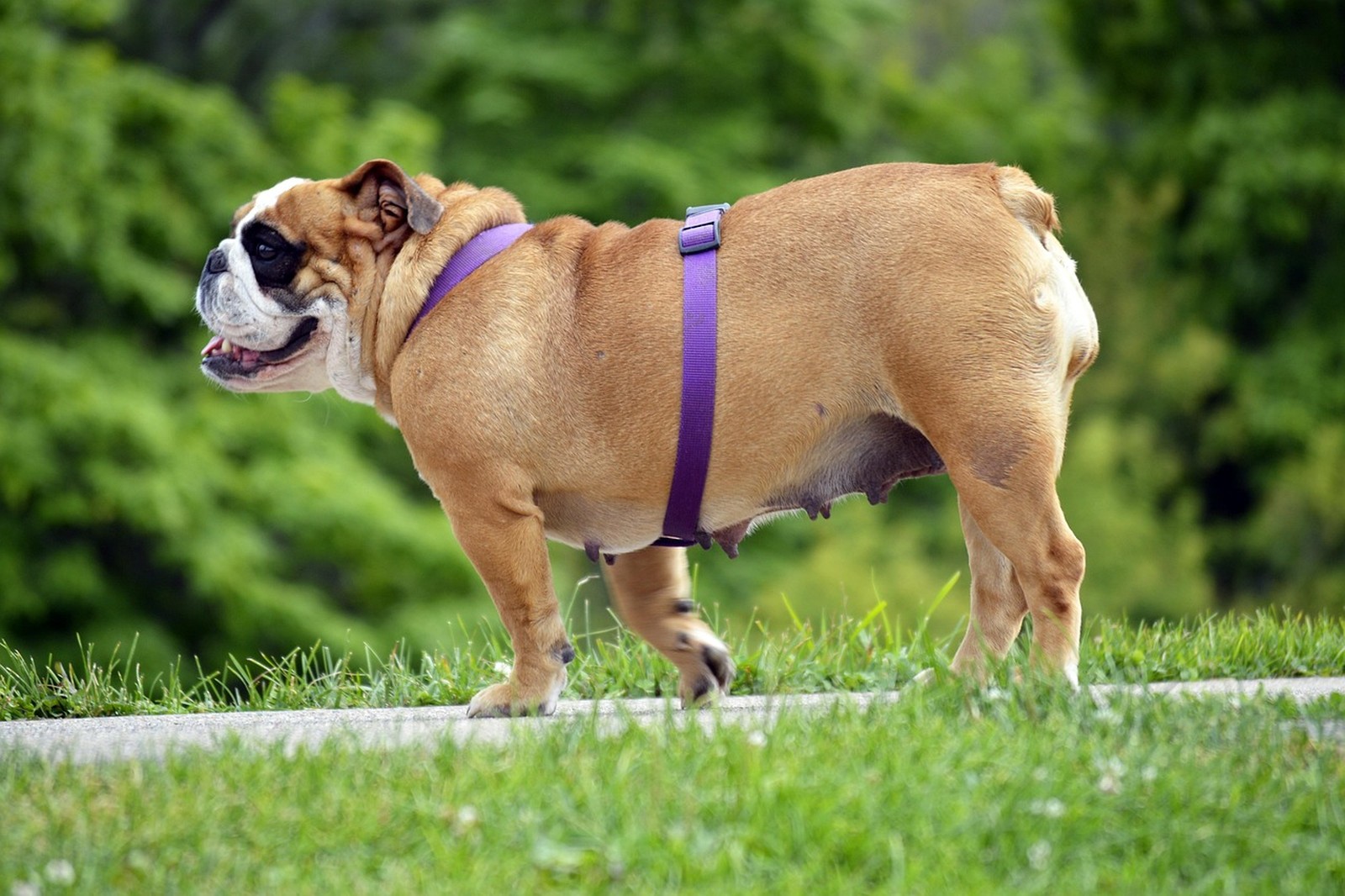
Judge the adults on breath, not bulk
Start with Bulldog breed-club referrals and dedicated Bulldog rescues, and when you visit a breeder, watch the adult dogs rather than the puppies. Bulldogs should be able to walk across the yard, greet you, and settle again without loud, laboured breathing or constant distress sounds. Look for open nostrils, eyes that sit comfortably, skin folds that are clean and dry rather than red and sore, and a body that is solid but visibly lean enough to move freely.
Ask the breeder directly what they are doing to breed healthier dogs: choosing parents that breathe well, avoiding the most extreme head shapes, keeping breeding dogs slim, and testing and recording what they can. A breeder who answers thoughtfully, acknowledges the breed's known difficulties, and can show you older dogs still enjoying their walks is offering the strongest evidence available that their puppies have a fair start.
Questions about folds, joints, and daily care
A Bulldog's famous wrinkles need daily attention, so ask the breeder to show you how they clean and dry the facial folds and tail area on their own dogs, and how often. Ask, too, about skin flare-ups and eye irritation in their lines, and what their vet checks at routine visits.
Talk through your home while you are there. Bulldogs and stairs are a poor mix for many dogs, heat is a serious danger rather than a discomfort, and a sedentary indoor life with short, gentle outings suits the breed far better than ambitions of hiking companionship. A responsible breeder raises these limits themselves and will decline a home whose expectations the dog cannot safely meet.
The Bulldog rescue route
Bulldog rescues take in dogs surrendered when breathing, skin, or joint care became more than an owner could manage, and they often know an enormous amount about each dog's medical reality. For many adopters that is a strength: you can adopt a dog whose breathing has already been assessed, whose fold-care routine is established, and whose foster carer can show you exactly what daily care looks like in practice.
Ask for the complete veterinary history, including any airway or eye treatment the dog has already had, what the rescue's vet recommends next, and how the dog copes with warm rooms, short walks, and being handled for fold cleaning. Go in with clear eyes about ongoing care, and let the rescue match you to a dog whose needs fit your budget of time and attention.
Red flags that matter most in Bulldogs
Leave any seller whose breeding dogs are extremely heavy, struggle noisily to breathe at rest, or cannot tolerate ordinary handling. Marketing built on exaggerated wrinkles, very rare colours, or the smallest or widest puppies is directing your eye away from the things that decide this dog's comfort. So is a refusal to let you meet the mother, see health records, or visit at all.
Be equally cautious of anyone who presents the Bulldog as an easy, low-maintenance breed requiring nothing special. The honest picture involves daily fold care, strict weight control, constant heat awareness, and a vet relationship you will actually use, and the right source insists you understand that before money changes hands.
Bring the care routine home in writing
Collect your Bulldog's full vet history, the fold-cleaning routine that keeps their skin settled, notes on breathing, sleep, and heat tolerance, and feeding details that have kept them lean. With a rescue dog, add the foster carer's account of what a normal day looks like, because that lived routine is the best care guide you will get. On KinsLe, Transferrable Profiles hold that veterinary history, skin-care routine, and day-to-day knowledge together with your Bulldog's profile, so their next vet, sitter, or groomer starts from facts.