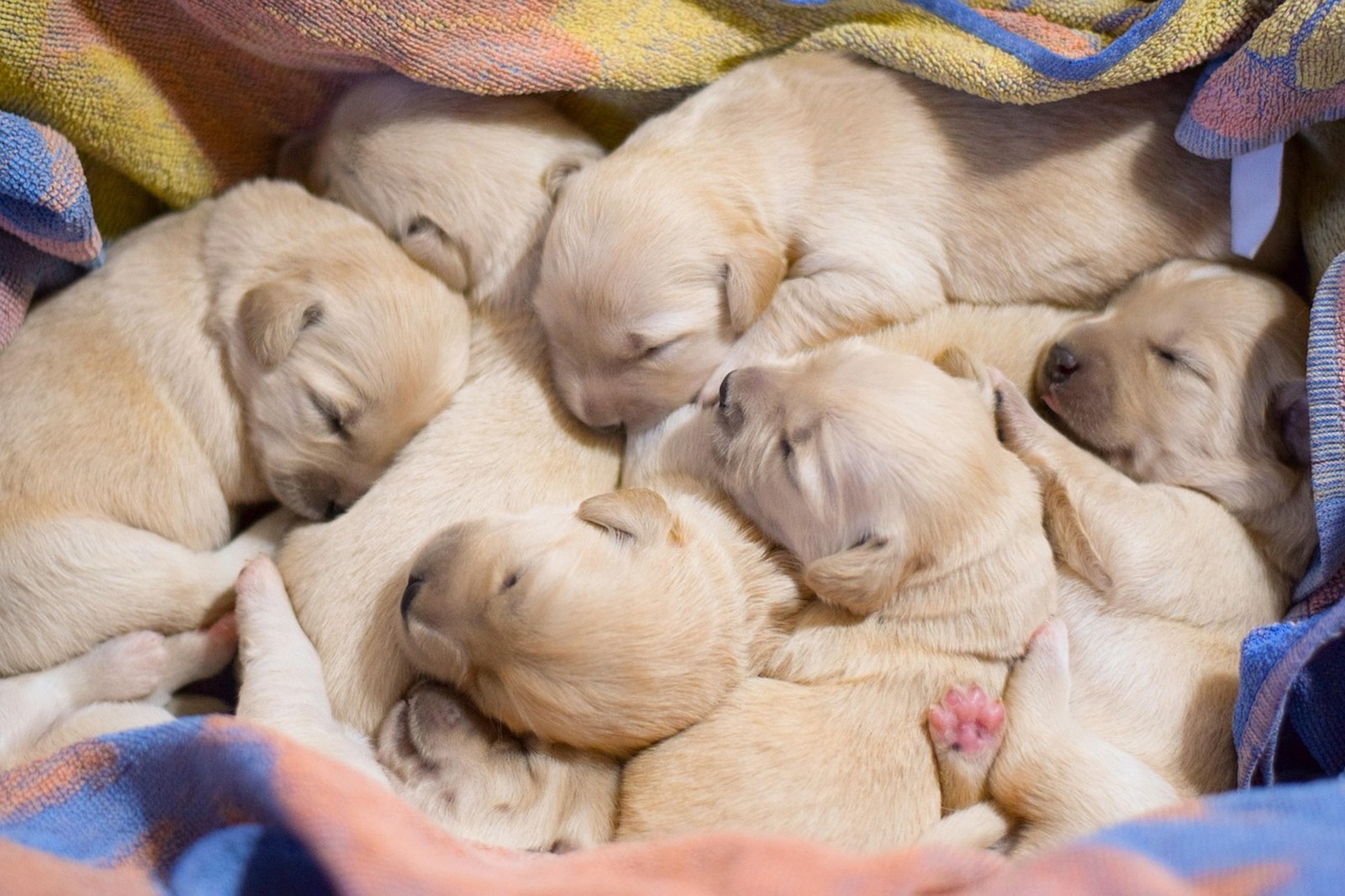
Several months is the normal wait for a puppy from a good breeder, and six months to over a year is common enough that it should be your planning assumption, not your worst case. For sought-after breeds, popular breeders, or narrow requests — a female, a particular color — the wait stretches longer still. Buyers who are flexible about sex and color, and who apply to two or three well-regarded breeders, usually shorten it considerably.
Why the Calendar Looks Like That
The delay is not scarcity marketing; it is biology plus restraint. A female dog comes into season roughly twice a year, and responsible breeders do not breed every season — they skip cycles, rest their dams, and limit how many litters each female has in her life. Many good breeders raise only one to three litters a year, often breeding only when they want a puppy themselves. Each of those litters may be four to eight puppies, against a waiting list of approved families that has been building for months. The arithmetic simply cannot produce a puppy on demand.
The Timeline Once You Are on a List
Work through what remains even after your name reaches the top. The breeder waits for the dam's next season and carries out the planned mating, then confirms pregnancy. Gestation runs about nine weeks. The puppies then stay with their mother and littermates for at least eight weeks — most good breeders send puppies home at eight to ten weeks, because those final weeks teach bite inhibition and dog-to-dog social skills no human can replicate. Add those stages together and a breeding that has not happened yet is realistically four to six months from a puppy in your home; a list you join before any breeding is planned easily doubles that.
Red Flags and Green Flags in a Wait
A breeder who always has puppies available immediately, in every color, with no list and no questions for you, is showing you a production operation, not careful breeding. The green flags look like the wait itself: the breeder interviews you, health-tests the parents and shows you results, breeds rarely, keeps a list, and is happy for you to wait rather than pressuring a deposit today. A modest deposit to hold a place on a list is normal practice; a breeder who cannot tell you roughly which litter and season you are waiting for is not running a real list.
Using the Wait Well
Treat the months as preparation time rather than dead time. Book a veterinarian and ask about their puppy visit schedule, join the waiting list of a good puppy class — the good ones fill as fast as breeders do — and set up the crate, pen, and supplies gradually. Read the breed's grooming and exercise reality again with fresh eyes, and arrange your work calendar for the first weeks at home, when a puppy needs out every hour or two. When the call finally comes and your puppy heads home, KinsLe's Transferrable Profiles let the breeder pass its profile to you with birth details, first vet visits, weaning food, and daily routine already recorded, so your puppy's first chapter is never lost.