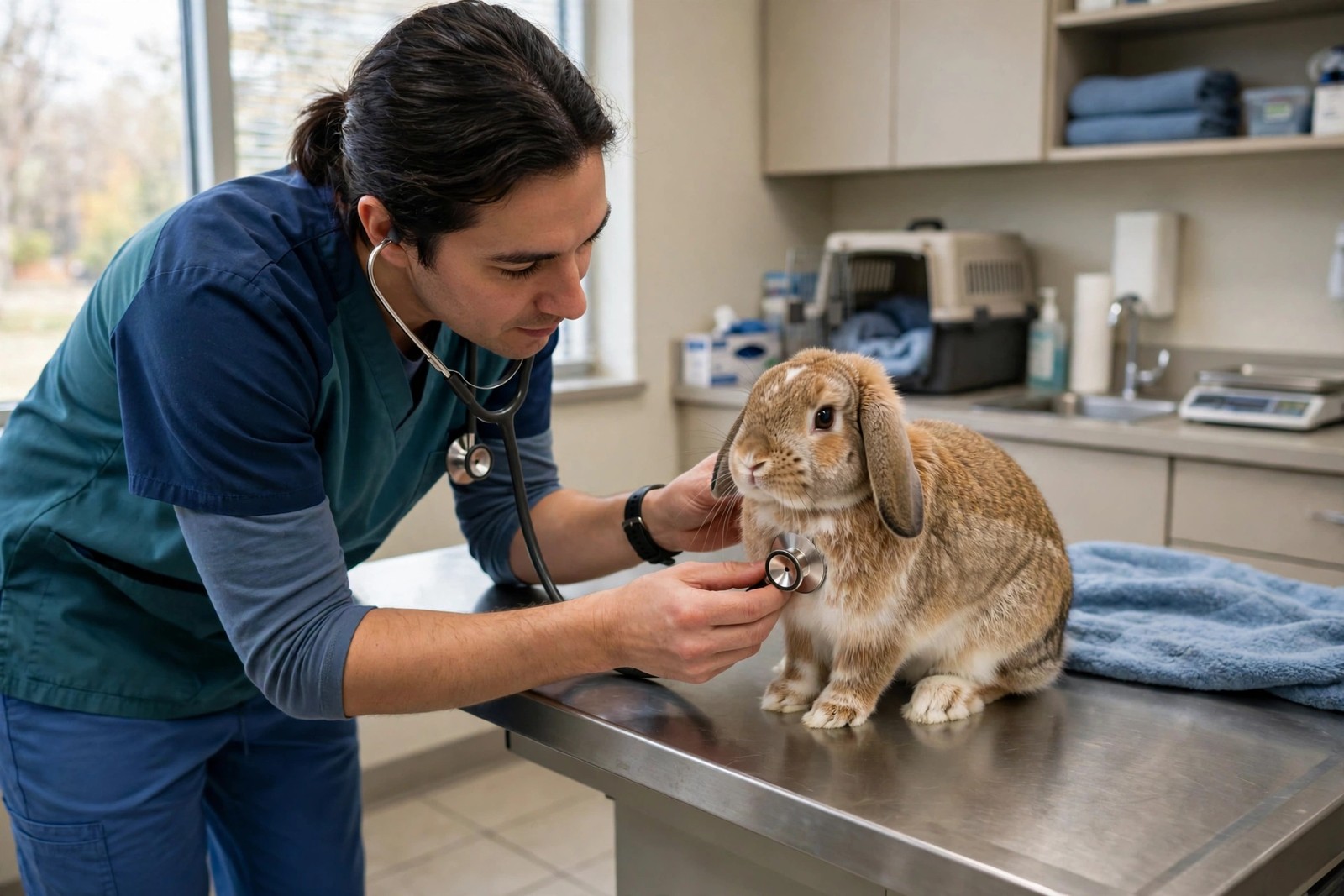
The practice you want will usually badge itself 'exotics'. Ferrets, rabbits, rats, guinea pigs and hamsters each need knowledge that sits outside ordinary dog-and-cat training, and a good general practice will say plainly when a species is not its strength and point you to someone who treats them daily. Practical routes: search your veterinary association's find-a-vet directory filtering for exotics or small mammal services; ask local rabbit and guinea-pig rescues and reputable breeders who they use (rescues see the difficult cases and know); check practice websites for named exotics vets or certificates in exotic animal medicine; and ask in species-owner communities for your area, then verify with the practice directly.
Questions Worth Asking Before You Need Them
Register before an emergency, not during one. Call and ask: which species do they see routinely, who covers exotics out of hours, do they have appropriate facilities (small-patient anaesthesia, dental equipment for rabbits and guinea pigs, hospitalisation that separates prey species from predators), and can they refer to a specialist if needed. A short introductory visit — a health check and nail trim — lets you judge handling skills while stakes are low. Keep the practice's number, the emergency number, and your pet's baseline weight and diet notes together, because small mammals deteriorate quickly and a registered patient gets faster, better-informed help.
Working With Your Vet
Work in a careful order: watch your small mammal closely, write down when a change started and what else shifted alongside it, and leave the diagnosis itself to the veterinarian who examines the animal. That matters doubly for prey species, whose early signs are easy to under-read — a guinea pig eating less hay, a rabbit passing smaller droppings, a hamster active at odd hours. Bring dates, appetite notes and, where you can, a short video of the episode that worried you; for an animal that hides symptoms in a consulting room, that record often tells the vet more than the examination alone can.
If your current vet says a case is beyond them, that is good practice, not a failure — ask for the referral promptly. For a small mammal who has stopped eating, is breathing with effort, or is limp or unresponsive, do not spend time directory-hunting: go to the nearest vet or emergency service and let them stabilise and refer.
A dated log earns its keep with small mammals because their baselines are so individual: weekly weight in grams, hay and water intake, droppings, energy, and the day any symptom first appeared. Two weeks of those entries can show a pattern — a slow weight slide, a dropping appetite — that a worried summary at the appointment would miss entirely, and a change of home, companion or life stage is exactly when the log tells you what the new normal is.
For finding practices in the first place, the Pet Services Directory on KinsLe gathers listings for nearby practices and other pet services in a single searchable place.