
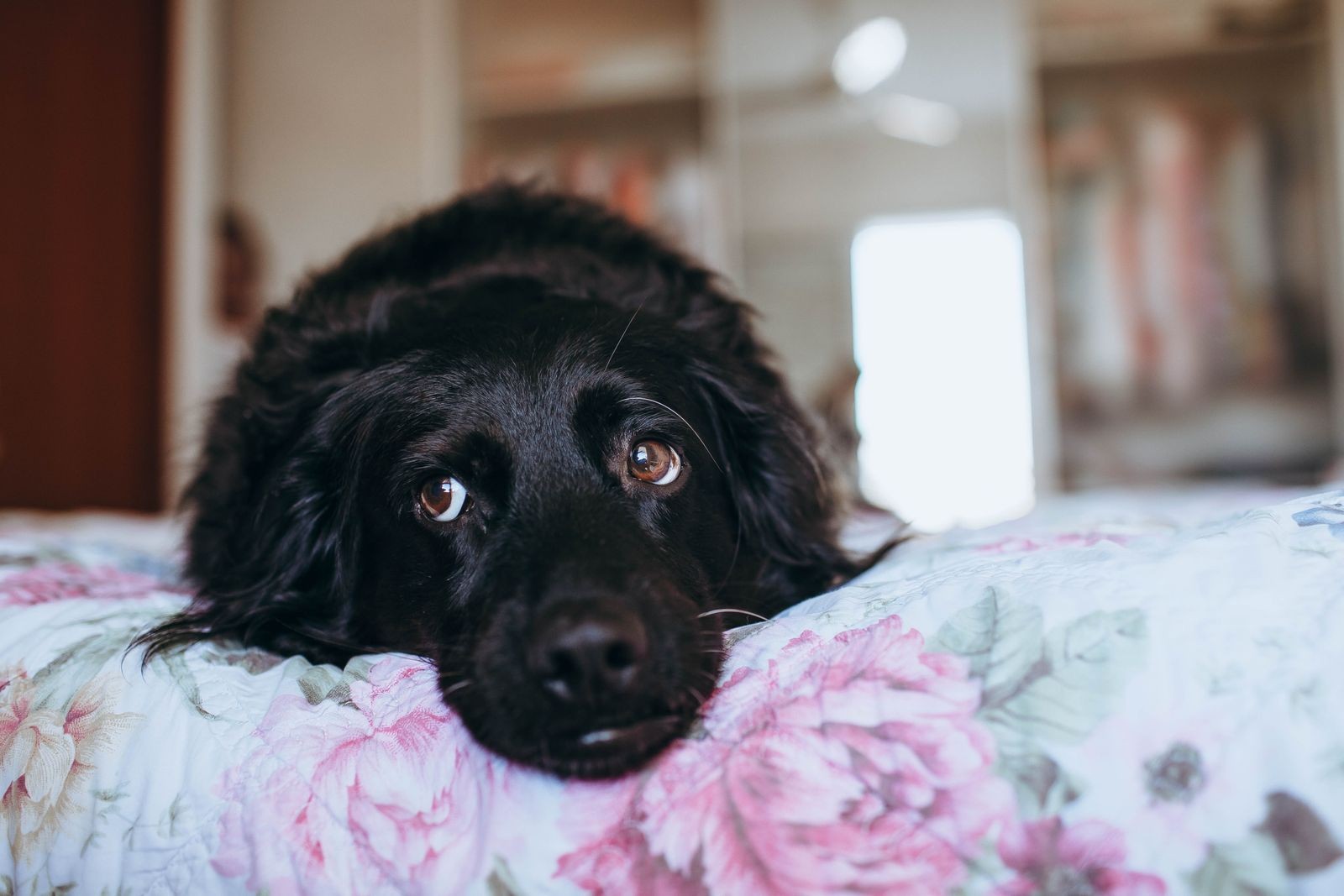
A new routine lands best on a senior dog when it arrives in small steps, with the anchors of the day — meal times, favorite rest spots, familiar smells — left exactly where they were, and an eye kept on confusion or anxiety that deserves a vet conversation. Predictability matters more to an older dog than novelty does, so let the pattern shift slowly enough that, from your dog's side, almost nothing feels changed at all.
Why routine changes hit seniors harder
An older dog navigates the world partly by habit and memory. The sequence of the day — the rattle of the food bin, the walk after breakfast, the sunny spot by mid-morning — is a map that compensates for fading eyesight, hearing, and sometimes cognition. Rearrange that map suddenly and even a confident senior can become clingy, restless at night, or hesitant in their own home.
Life, of course, rearranges things anyway: a new job, a house move, a new baby or puppy, a change in medication timing. The skill is not avoiding change but staging it — protecting what your dog relies on most while the new pattern takes shape around it.
Stage the change like a ramp, not a step
Move one element at a time, in small increments, toward the new routine:
- Shift meal or walk times by 10–15 minutes every few days rather than an hour overnight
- If the sleeping spot must move, migrate it gradually — bed a little closer to the new place each night, with the same unwashed blanket on top so it smells right
- Introduce new routes on the lead alongside familiar ones, alternating old and new before switching fully
- Keep medication and feeding order consistent while times shift, and confirm any bigger medication-timing changes with your vet first
Watch your dog's feedback as you go. Eating normally, settling in the usual spots, and sleeping through the night are green lights. Pacing, panting at rest, following you room to room, or new toileting accidents are messages to slow down — and, if they persist, to book a vet check, since pain and cognitive changes often announce themselves exactly this way.
Protect the anchors
Identify your dog's non-negotiables and defend them through the transition. For many seniors it's the morning meal at a familiar time, the worn bed in its corner, the evening amble to the same lamppost, or a specific person's lap after dinner. Keep three or four of these untouched and the new elements feel like variations, not upheaval.
Comfort aids help quietly in the background: a non-slip mat at the food bowl for wobbly legs, a nightlight along the hallway route for a dog whose eyes are dimming, a ramp already learned before the car routine changes. Introduce each aid on a good day, not in the middle of the stressful one.
Get every person giving the same day
A senior dog coping with change needs one version of the new routine, not a different one from each family member. If one person feeds at the new time, another offers sympathy snacks at the old time, and a third invents a different bedtime order, your dog never gets the repetition that makes a routine feel safe.
Keep the staging itself a spoken household agreement — one person announcing each small change as it lands, so nobody is privately working from last month's version of the day. For the profile side of that teamwork, Family Sharing on KinsLe lets you hand access to your dog's profile to relatives you pick, bringing chosen family into the same profile while the anchors stay put.