
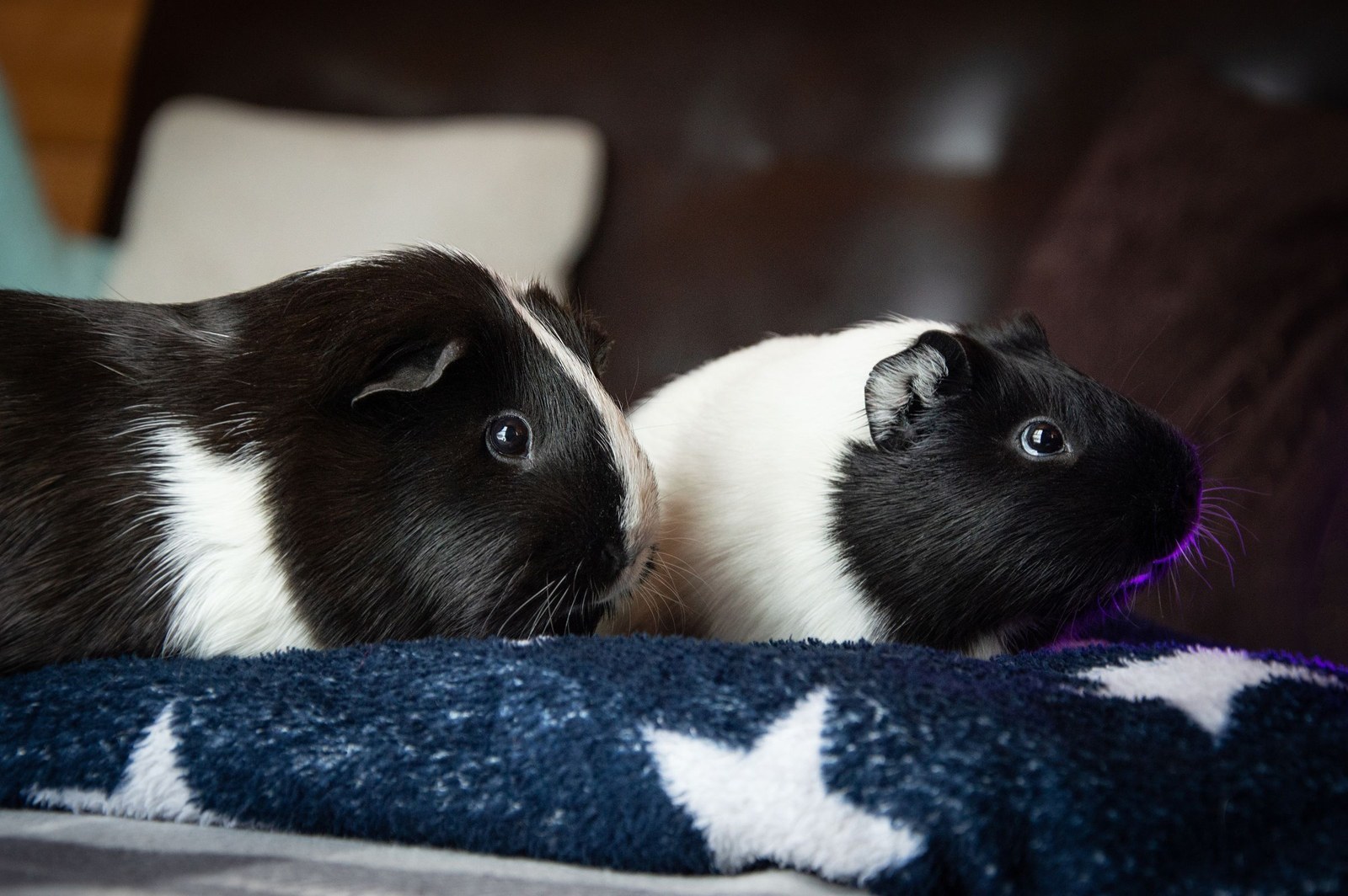
Introduce a new guinea pig on neutral ground — a large playpen neither pig lives in, scattered with hay piles and hideaways that have two exits — after the newcomer has had a vet check, and watch for relaxed eating together as the true sign things are going well. Guinea pigs are social and usually welcome company, but a structured first meeting prevents the scuffles that set a pairing back.
Before the meeting
Have the new pig examined by a vet first, and keep them housed separately during an initial settling period your vet advises on, so any sneezing, scratching, or loose droppings show up before the pigs share airspace and hay. Weigh both pigs and note their usual appetites — those baselines make later changes easy to spot.
Think about the pairing itself. A calm adult with a younger pig, or two pigs of similar temperament, often settles more smoothly than two strongly dominant adults. Sex and neutering status matter too, and your vet or rescue can advise on combinations that work.
Setting up neutral ground
Choose a space that smells like neither pig: a playpen on a cleaned floor, a dry bathtub lined with fleece, or a sectioned-off corner of a room neither uses. Scatter several piles of hay and vegetables around the area — food in multiple spots means nobody has to compete, and eating is the activity that most reliably relaxes guinea pigs.
Add at least two hideaways, each with two exits, so a pig who wants space can leave without being trapped, and remove anything with only one entrance. Have a towel ready to drop between pigs if you need to separate them without putting your hands into a scuffle.
Reading the first meeting
Normal introduction behavior includes:
- Sniffing, nose-to-nose greetings, and following each other around.
- Rumblestrutting, teeth chattering, and mild chasing that settles.
- Eating side by side or exploring independently — both excellent signs.
Step in and separate if you see lunging with an open mouth, biting that draws blood, a pig being relentlessly cornered, or chattering that escalates into a rolling fight. Mild dominance displays usually peak and fade within the first session; true aggression does not improve by letting them "sort it out."
Sessions can last an hour or more when things are going well. If the pigs eat, rest, and move around each other calmly, that is your green light to prepare shared living.
Moving in together
Clean the shared enclosure thoroughly so it does not smell like one pig's territory, rearrange it so it feels new to both, and provide two of everything at first — hay racks, water bottles, food bowls, and hides with two exits. Supervise the first hours, weigh both pigs weekly for the first month, and watch that the shyer pig is genuinely getting access to food and the best hide.
Occasional squabbles over a favorite spot are normal in the first days; persistent bullying, weight loss in one pig, or injuries mean separating and seeking advice from your vet or rescue.
Tracking two pigs properly with individual QR profiles
Each guinea pig on KinsLe has its own profile with a unique QR ID, so through the whole introduction you can track weights, vet notes, and observations separately for the newcomer and your resident pig — no merged, muddled records. That separation matters most in exactly these weeks, when knowing which pig lost weight or started sneezing changes what you do next. If the two pigs look nearly identical by week two, hold each one beside its own code and let the Verified QR ID Pet Profiles on KinsLe settle which pig is which before anyone records a weight.