Why Flat Faces and Heat Are a Risky Mix
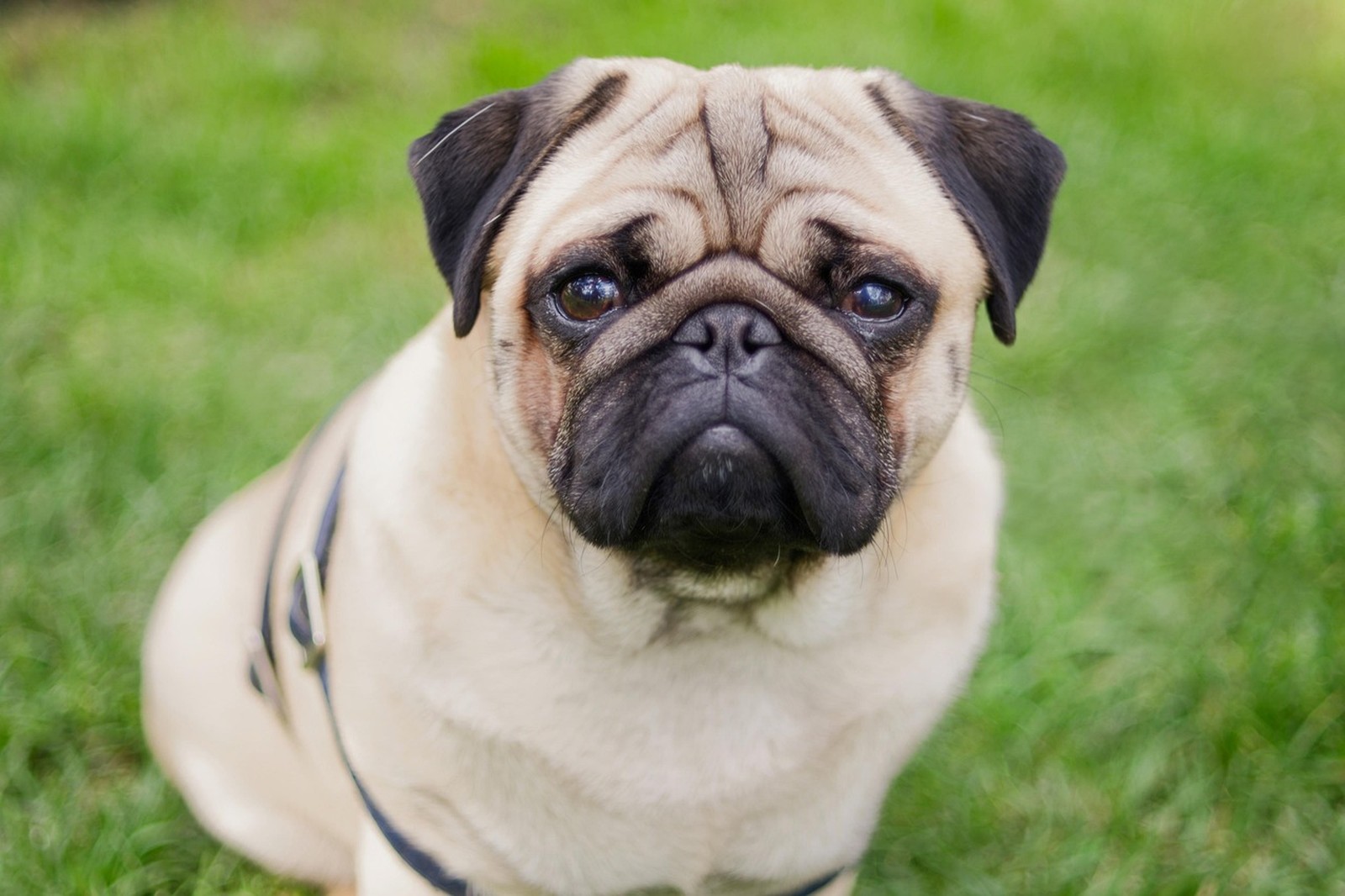
A flat-faced dog — a bulldog, pug, French bulldog, or shih tzu type — breathes through a shortened airway with narrowed nostrils and often extra soft tissue at the back of the throat. Panting, which is how every dog dumps heat, moves far less air in these breeds, so body temperature climbs faster and falls slower. Many flat-faced dogs also snore, gag, or sound raspy at rest; in summer heat those everyday noises can tip into genuine breathing difficulty with little warning.
Humidity matters as much as the thermometer. On a muggy morning, panting evaporates less moisture and cools less, which is why a walk that was fine last week can be too much today. Judge each day on its own conditions, and treat a still, humid dawn as a reason to shorten the route, not a safe loophole.
Time and Design the Walk Carefully
Go out early in the morning or after sunset, and keep the outing short — for many flat-faced dogs in warm weather, a gentle fifteen to twenty minutes with rest stops is plenty, and some days the right walk is a shaded garden toilet break instead. Choose flat, shaded routes with grass underfoot rather than hot pavement, avoid slopes and stairs that force effort, and plan a loop you can cut short rather than an out-and-back that commits you to the full distance.
Fit a harness instead of attaching the lead to a collar, so nothing presses on an already compromised airway. Carry water and a small bowl, offer drinks at stops even if your dog seems uninterested, and let him set a slow pace. Never jog, cycle, or play fetch games with a flat-faced dog in warm weather, and never muzzle one for a walk — a muzzle that limits panting removes his only cooling system.
Read the Breathing, Not the Enthusiasm
Many flat-faced dogs will cheerfully keep going while they overheat, so your eyes and ears are the safety system. Normal summer panting should still look rhythmic and settle within minutes of stopping. Slow down or stop if breathing becomes noticeably louder, the tongue hangs wide and flat, or your dog starts drooling, lagging, or looking for shade. Head home calmly at the first of those signs rather than finishing the planned route.
Treat laboured, noisy breathing that does not ease with rest, a blue or pale tongue, vomiting, staggering, or collapse as an emergency: move to shade or air conditioning, wet the body with cool — not ice-cold — water, and contact your vet immediately while you travel if advised. Do not walk a struggling dog back to the car if you can bring the car or carry him instead.
Keep Every Walker on the Same Rules
The risk multiplies when a partner, teenager, or dog walker applies longer-nosed expectations to your flat-faced dog. Agree the household rules once — latest morning time, maximum route, harness only, stop signs — and write them where everyone sees them before each walk. In KinsLe, Care Teams lets you assign those early and late walks to named people with the routine attached, and each finished walk is marked with a timestamp, so your flat-faced dog never gets a second, hotter outing because nobody knew the first one happened.