
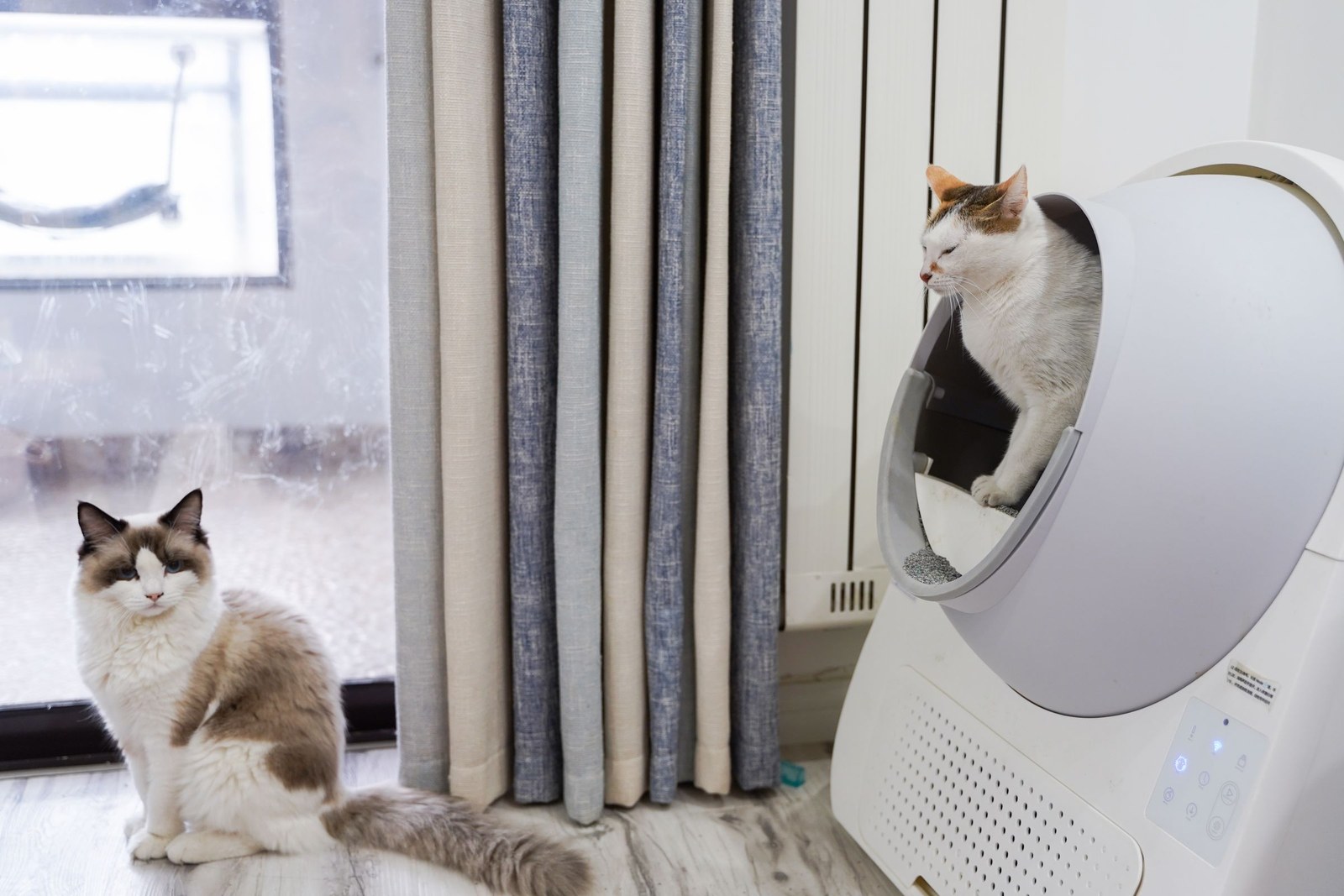
Litter train an adult rescue cat by starting with one quiet, easily reached box filled with unscented litter, showing her where it is, and gently placing her in it after meals and naps, then praising calm use without hovering. Keep the box very clean, expect a learning curve if she has lived outdoors, and remember that most adult rescues already want a private, diggable toilet spot — your job is to make the right choice obvious and easy.
Set Up the Box She Would Choose Herself
Pick a low-traffic spot that is always accessible — not beside a noisy washer, not behind a door she cannot open, and not next to her food. Many adult cats prefer a large, open box they can turn around in over a small hooded one that traps smells. Unscented, fine-grained clumping litter mimics the sand and soil texture cats instinctively dig in, and strongly perfumed litter is a common reason new cats walk away.
If she came from outdoors, mixing a little garden soil on top of the litter for the first days can help the idea click, then gradually reducing the soil as she uses the box reliably. Start with one box in her starter room rather than scattering boxes around a home she does not know yet; add more locations as she earns more space.
The First Days: Routine Beats Lessons
When she arrives, place her gently in the box once so she registers its location and feeling underfoot, then let her step out freely. Repeat the quiet placement after meals and after naps, when cats naturally need to go. If she uses it, a soft word of praise as she leaves is plenty — hovering, celebrating loudly, or digging demonstratively with your hand tends to put cats off.
Confining her initially to one room with the box is not punishment; it shrinks her world to a size where the box is easy to find and remember. Expand her territory room by room as box use becomes reliable. Clean accidents with an enzymatic cleaner so scent does not invite a repeat in the same spot, and never rub her nose in a mistake or scold her — she will learn only to avoid you, not to prefer the box.
Keep It Impeccably Clean
Cats reject dirty boxes the way people avoid filthy restrooms. Scoop at least once or twice daily and fully refresh litter on a regular cycle. During training, cleanliness is doing half the teaching: a pristine box next to a thoroughly cleaned accident spot makes the correct choice unmistakable. If she consistently chooses one other surface — a bath mat, a pile of laundry — block access temporarily, clean deeply, and add a second box type nearby to learn what texture or location she prefers.
When Misses Mean More Than Training
If she strains, cries, visits the box frequently with little result, or suddenly stops using a box she had mastered, contact a veterinarian promptly — urinary problems are uncomfortable and can become urgent, especially in male cats. New rescues should have a baseline vet visit anyway, where you can mention toileting honestly and get advice tailored to her history. Stress can also cause temporary misses during the first week even in healthy cats, so track the trend rather than panicking over a single accident.
Sharing the Scoop Duty With KinsLe
A training box only stays inviting if scooping never slips, which is hard when several people assume someone else did it. KinsLe Care Teams let your household share litter cleaning, feeding, and other duties with timestamped completions, so you can see at a glance that the box was cleaned this morning while she learns the routine. That consistency speeds up training for everyone. Care Teams on KinsLe keeps that training plan steady by assigning scooping, full litter refreshes, and accident cleanups by name each day and logging the finished time for everyone, so no helper assumes someone else already cleaned the box she is learning to use.