Start With How a Dog Actually Experiences a Garden
Your dog does not admire a garden the way you do. He reads it mainly through his nose, then through his paws, ears, and mouth, in that order. A sensory garden built for him therefore starts with smell: layered scents at nose height, interesting ground to read paw by paw, and things that move and rustle. Think of it as a series of small experiences strung along a route he can wander — a herb patch to push through, a change of surface underfoot, a log to sniff along, a corner where leaves collect and hold yesterday's scents — rather than a single feature he looks at once and ignores.
Planting for Noses, With Safety First
Choose sturdy, dog-safe plants that release scent when brushed: herbs such as rosemary and mint grown in pots or contained beds so they do not take over, lavender in a spot he passes rather than sleeps in, and tough ornamental grasses that sway and smell of summer. Add plants at different heights — low carpets to walk through, shrubs to investigate underneath, and a small tree for shade and falling leaves. Before anything is planted, check it against a reliable dog-safety list, and leave out anything known to be harmful or doubtful, including bulbs he could dig up and chew, thorny plants at face height, and cocoa-shell mulches. If your dog is a committed grazer, plant a patch of plain grass or dog-safe herbs specifically for nibbling, so sampling has a permitted address.
Surfaces, Textures, and a Digging Pit of His Own
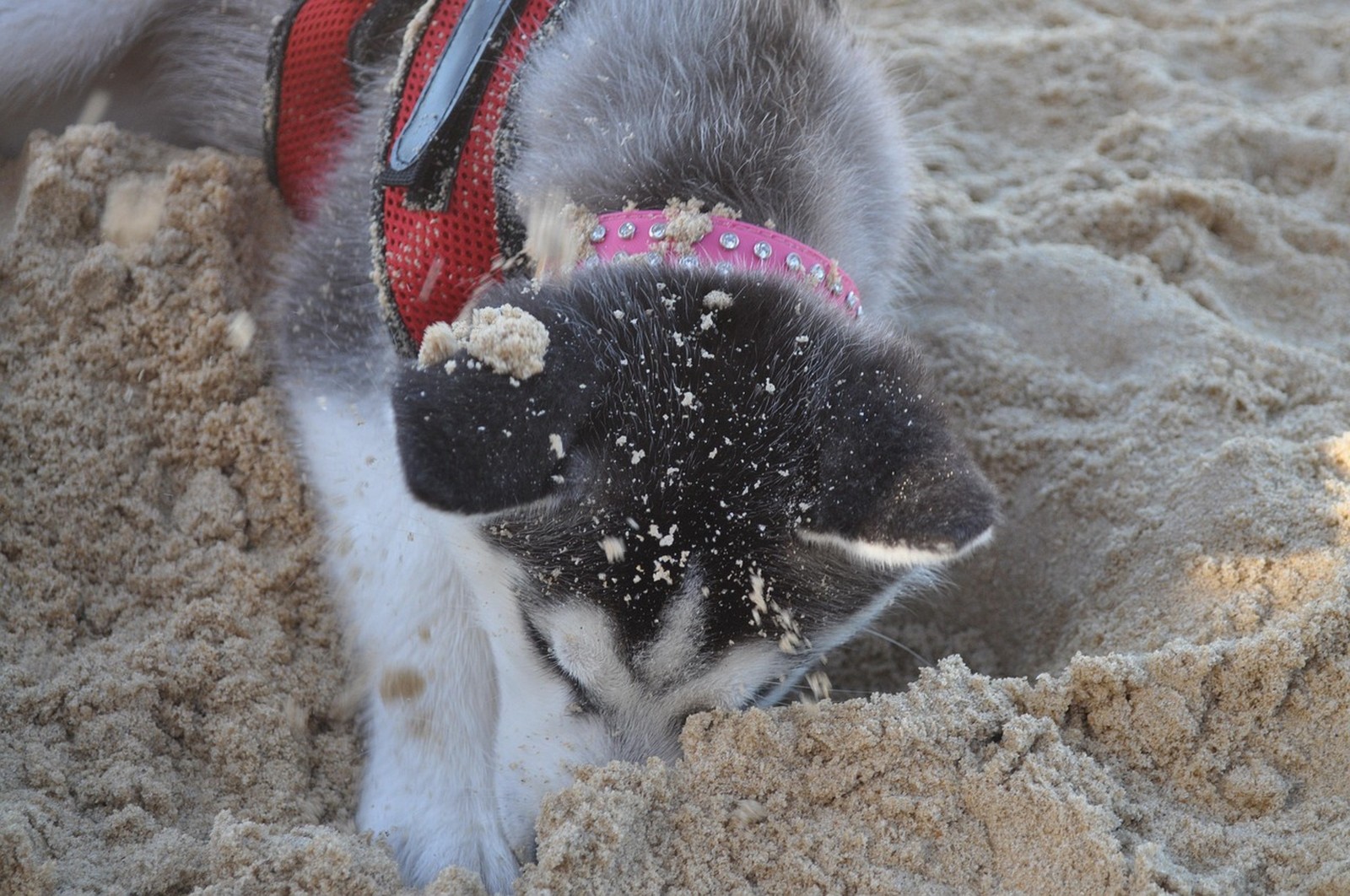
Lay a wandering path that changes under his paws: grass to bark, bark to smooth stone, stone to a patch of sand. A shallow sand or loose-soil digging pit is the centrepiece for most dogs — bury toys or treats just under the surface, praise digging that happens there, and calmly redirect digging that happens in your borders to the pit. Add a log, a low platform, or a couple of large smooth stones as sniffing and climbing landmarks, and a shallow water tray or gentle rill where he can paddle and drink, kept clean and refilled like a water bowl.
Sound, Movement, and Places to Simply Watch
Rustling grasses, a bamboo wind chime hung where he can hear but not reach it, and plants that draw bees and butterflies to watch from a respectful distance all feed his ears and eyes. Many dogs love a raised resting spot — a platform or a bench-height perch in shade — from which they can survey the garden and the street beyond; watching the world is real mental exercise for a dog. Balance the stimulation with proper rest places: a shaded bed spot, a quiet corner screened by planting, and an indoor door always open, so the garden offers retreat as well as adventure.
Introducing the Garden and Keeping It Safe
Walk the route with him on a lead first, let him investigate each new element at his pace, and scatter a few treats along the path so the garden's story starts well. Supervise early free sessions, watch what he actually uses — most owners find one or two features become obsessions while others are politely ignored — and adjust planting and layout around his real behaviour. Re-check the space regularly for hazards that arrive uninvited: fallen fruit fermenting, fungi after rain, sharp canes, gaps under fences where an absorbed sniffer could push through. Rinse water features often, and remove anything chewed, cracked, or dug up before it becomes a swallowing risk.
Sharing the Garden Rules With the Household
A sensory garden stays safe when everyone knows which patch is for digging, which plants he may nibble, and what to clear away after storms. KinsLe Family Sharing keeps that garden guide — safe plants, digging pit, and hazard checks — on your dog's shared profile, so family and helpers tend the space the same way you do.