
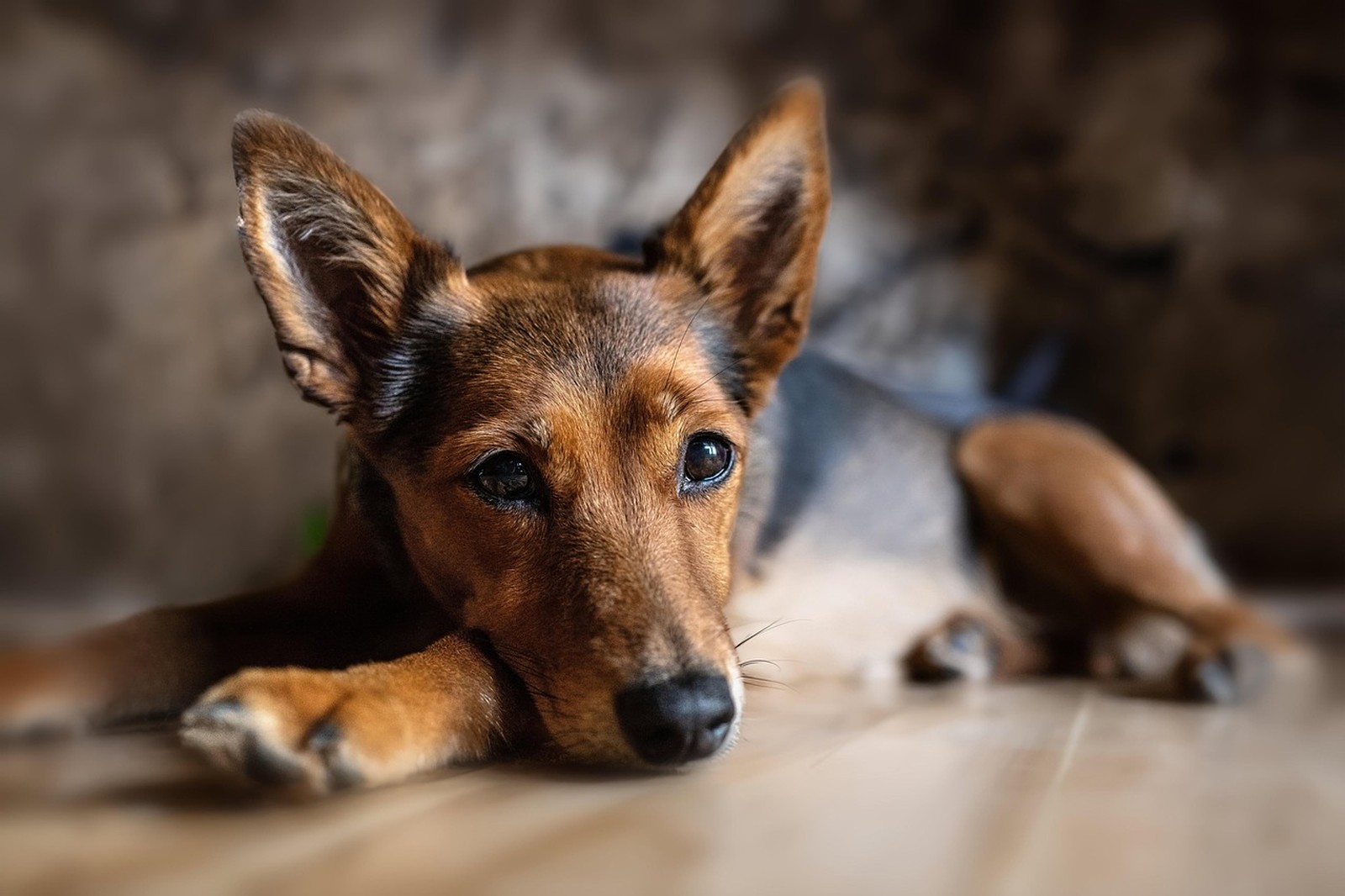
What is happening on that sofa
A dog who growls, freezes, or snaps when approached on the sofa is guarding a resting place he values — a warm, elevated spot that smells of his people. Guarding is a normal canine strategy, but on shared furniture it is a safety problem, and the way it is handled decides whether it fades or escalates. Dogs whose growls are punished often stop warning and go straight to biting, and dogs repeatedly dragged off by the collar learn that hands approaching on the sofa predict something unpleasant, which deepens the guarding.
Remove the standoffs today
Until retraining is underway, manage the situation so the guarding never gets practised. Invite him off with something clearly worth more than staying: a treat tossed onto the floor, a favourite toy presented at ground level, or a trip to the garden. If he falls asleep on the sofa and you need the seat, wake him by voice from a distance rather than reaching for him. Many households simply close the living room door when nobody can supervise, or use a lightweight house line so he can be guided gently without anyone grabbing at him near his face.
Make the alternative genuinely good
Place a bed he actually likes — supportive, warm, large enough to sprawl on — right beside the sofa, and pay him for using it. Feed chews there, scatter treats there, and praise the moments he chooses it himself. The goal is not to exile him from family life but to make the floor spot compete honestly with the sofa. Some dogs guard because the sofa is the only comfortable resting place in the room; solving that alone sometimes shrinks the problem dramatically.
Retrain in steps small enough to stay relaxed
Away from the sofa, teach a cheerful off cue on a low step or footstool: lure down, reward, repeat until the word alone works happily. Then practise on the sofa when he is awake and not yet settled, rewarding every easy hop down. Separately, rebuild his feelings about people approaching while he rests: walk past at a distance he notices but does not react to, drop a treat, and leave. Over sessions, the distance shrinks. Any freezing, hard staring, or growling means the step was too big — back up, and if there has been a bite or the guarding covers many locations, work with a qualified behaviour professional in person.
Rule out pain when guarding appears suddenly
A dog who has shared the sofa peacefully for years and starts guarding it over a few weeks deserves a vet check before a training plan. Discomfort changes how a dog feels about being jostled, leaned over, or asked to move from a soft surface, and older dogs in particular may guard the one spot where lying down does not hurt. If the vet finds nothing physical, nothing is lost — but training a dog to surrender a resting place that is protecting a sore joint is unfair and rarely works until the soreness itself is addressed.
One rulebook for the whole household
This plan collapses if one person follows the trade routine while another shoves him off or teases him for a reaction. Everyone, including visiting teenagers and grandparents, needs the same instructions: no reaching, no dragging, trades only. KinsLe's Care Teams puts those guarding rules and the current training step on his profile as shared duties, so whoever is home manages the sofa exactly the same way.