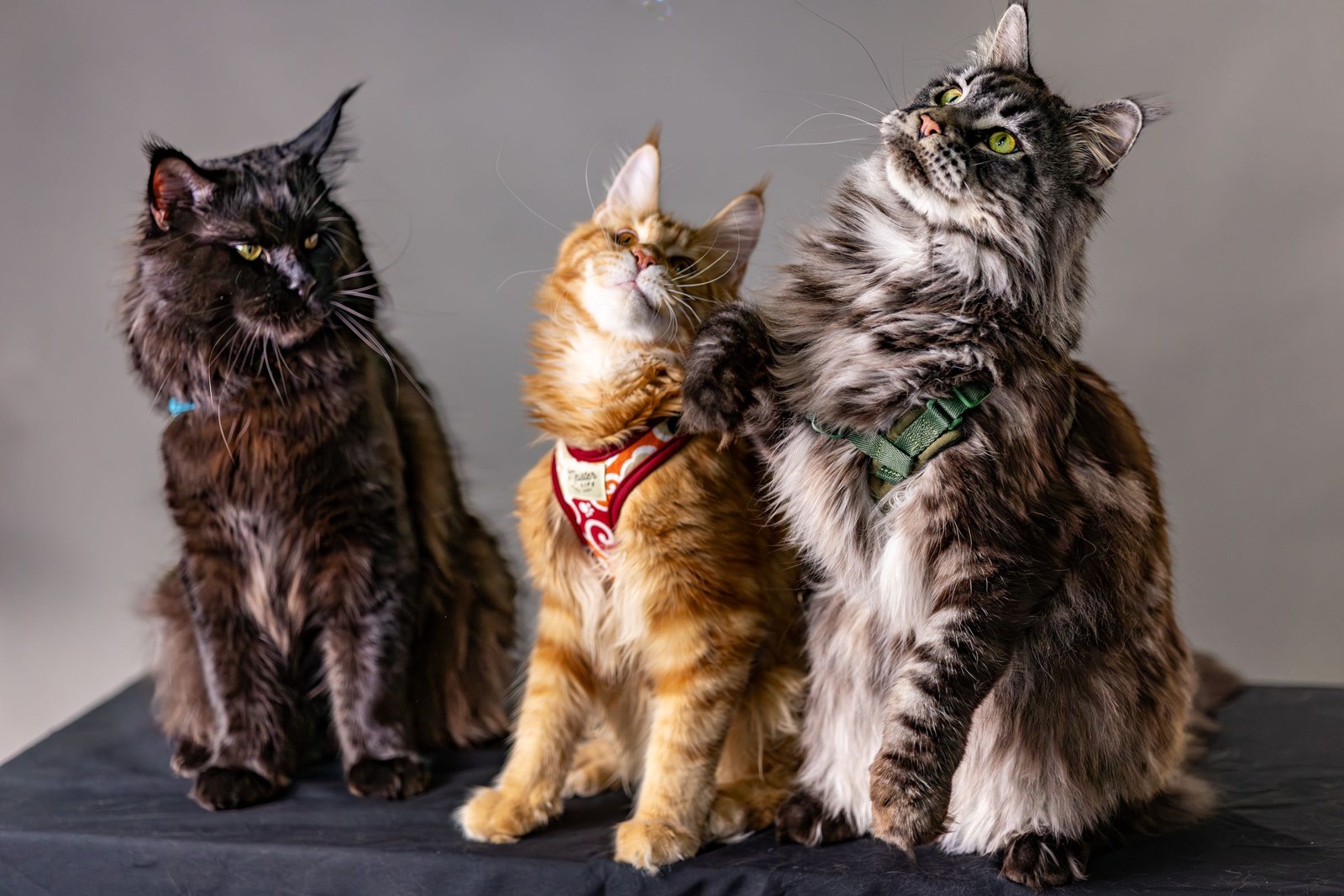
The secret to preventing mats in a long-haired cat is frequency, not marathon grooming sessions: short daily combing — even five minutes — removes loose fur and separates small tangles before they tighten into mats. A tangle caught today lifts out with a comb; the same tangle ignored for two weeks becomes a felted knot that may need professional removal.
Why long coats mat so fast
Long fur is fine, light, and constantly shedding into itself. Loose undercoat hairs twist around guard hairs, and every rub against furniture, every nap curled in a ball, and every damp patch works the twist tighter — a process not unlike felting wool. Persians, Maine Coons, Ragdolls, Siberian cats, and long-haired mixes all share this physics, with the densest undercoats matting fastest in spring and fall when shedding peaks.
Moisture accelerates everything. A coat that stays damp after a bath, a drink from a fountain that soaks the chest ruff, or humid weather all help tangles set. A clean, fully dry coat combs easier and mats slower, which is why groomers insist on drying thoroughly rather than air-drying a long coat.
The friction spots to hit every day
You do not need to comb every inch daily. Prioritize where mats actually form:
- Armpits and inner legs — constant movement, thin skin, first place mats hide
- Behind the ears — fine fur plus scratching equals instant knots
- Under the collar — friction all day; remove the collar to comb beneath it
- The belly and chest ruff — collects dampness and litter dust
- The backs of the hind legs and tail base — dense, often skipped
Work with a stainless steel comb rather than only a slicker brush. Brushes skim the surface and can leave the undercoat quietly tangling underneath; a comb that glides from skin to tip is your proof the section is truly clear.
A five-minute daily routine
Keep the comb where you sit together in the evening — a mat-prevention habit that lives across the room dies quickly. Comb in sections, following the direction of growth, and reward stillness with a small treat at the end. If you hit a snag, hold the base of the tangle at the skin so pulling does not hurt, and tease it gently rather than yanking.
Work up to it with kittens and new rescues: thirty seconds of combing paired with food beats a weekly wrestling match. A cat who trusts the comb is a cat whose coat you can maintain for fifteen years.
Sharing the combing load
Daily is the whole strategy, which makes it fragile in real households — one busy week or one vacation and the coat falls behind. Splitting the task is how families actually sustain it. KinsLe's Care Teams let you assign duties like feeding, walks, medications, and grooming, with each completion marked by a timestamp. Putting daily combing on the Care Team rotation means a partner, teen, or roommate can each own certain days, everyone can see which days are done, and no one assumes someone else combed the cat. That visibility is the difference between a routine and a hope. When combing rotates among family members, the Care Teams rotation on KinsLe makes each person's day explicit and records the session once it is done, so a long coat never depends on one person's memory.