
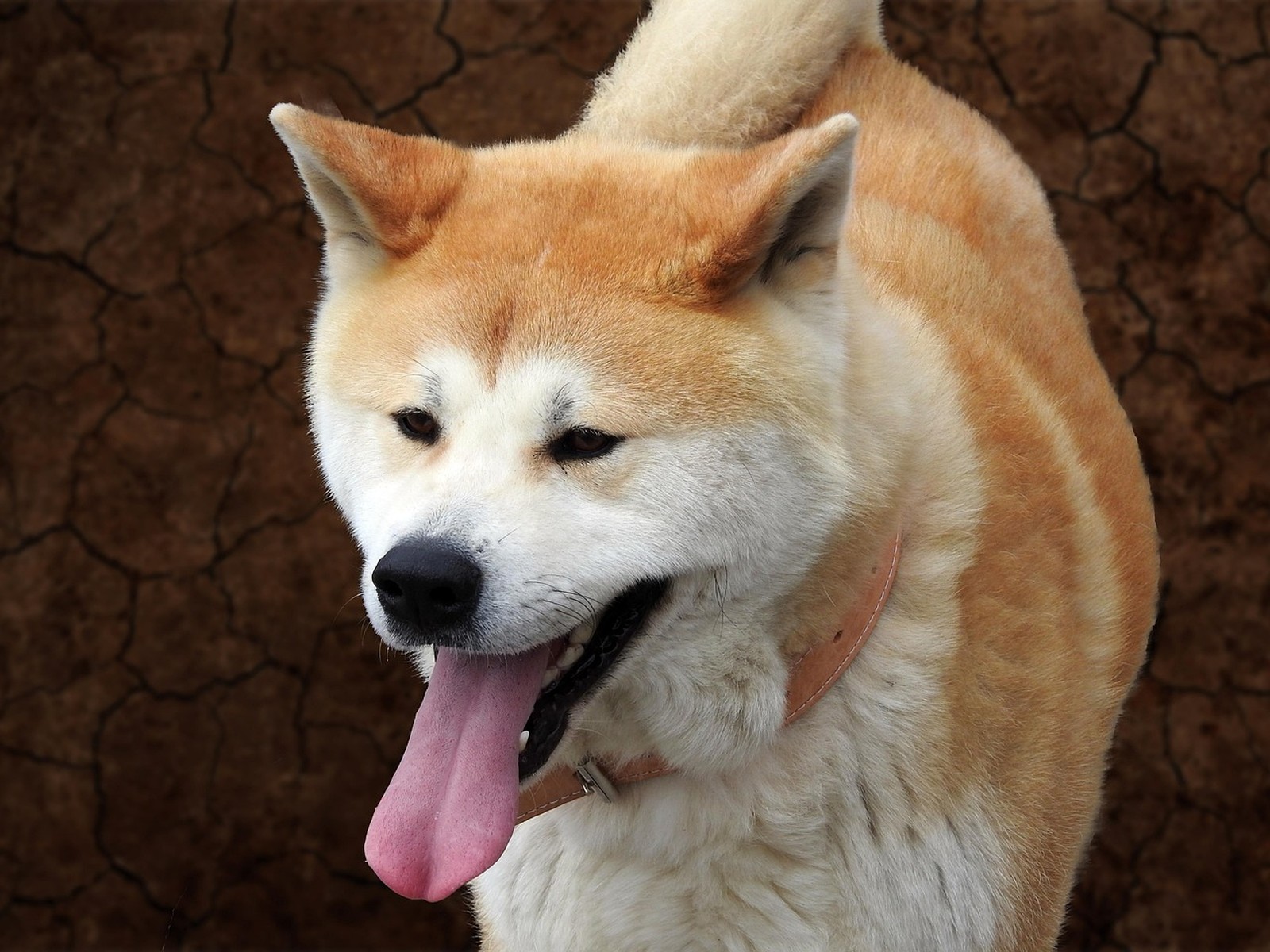
Start with the relaxed baseline
You can only spot stress if you know what your dog looks like when nothing is wrong. On an easy walk that baseline is a soft, swinging body: tail carried at its natural height and sweeping loosely, mouth open with the tongue out, ears in their neutral position, and eyes that blink and glance around without fixing on anything. He moves in curves, sniffs, checks in with you, and recovers instantly from small surprises. Photograph or film that relaxed dog in your mind, because every warning sign is really just a departure from this picture.
The early whispers come long before the growl
Dogs rarely go from fine to reactive in one step. The first signals are small and easy to miss on a walk: licking his lips when no food is around, yawning on a well-rested morning, turning his head deliberately away from an approaching dog, or dropping his nose to sniff the ground with sudden intensity as another dog nears. His tail may slow and stiffen, his mouth close, and his weight shift forward onto his front feet. Each whisper is information that the distance is too small or the situation too much — and acting on whispers, by crossing the road or turning up a side street, is what prevents the barking and lunging people call sudden.
Read the tail with the body attached
A wagging tail means arousal, not friendliness — the details decide which kind. A wide, sweeping wag with the whole rear end moving usually belongs to a relaxed, social dog. A tail held high, moving in short tight arcs over a stiff, still body belongs to a dog who is aroused and possibly confrontational, and it is a poor moment to let a stranger's dog rush in. A tail tucked low with a crouched, creeping gait is fear, and the kindest response is distance and a quiet voice, not dragging him closer to face what scares him.
Match your response to what he said
Body language is only useful if it changes what you do. Whispers earn distance: cross over, create a parked car as a visual barrier, or turn and walk away without fuss. A dog who has gone stiff and staring needs distance immediately and calmly — shorten the lead without jerking it, move him behind you, and leave. A loose, wiggly dog whose whole body invites contact can usually greet briefly, but keep watching: play that tips into stiffness, mounting, or one dog always fleeing is your cue to call them apart while everyone still thinks it was fun.
Build your eye with deliberate practice
Pick one signal per week — say, the mouth: open and soft versus closed and tight — and only watch for that until spotting it is automatic, then add another. Film your own dog greeting a friend's calm dog and review it slowly; signals invisible at full speed become obvious frame by frame. When a reaction on a walk genuinely puzzles you, KinsLe's Kinny can be asked for guidance in the moment, and the patterns you notice can be kept alongside his profile so his known triggers and tells build into a picture every walker can use.