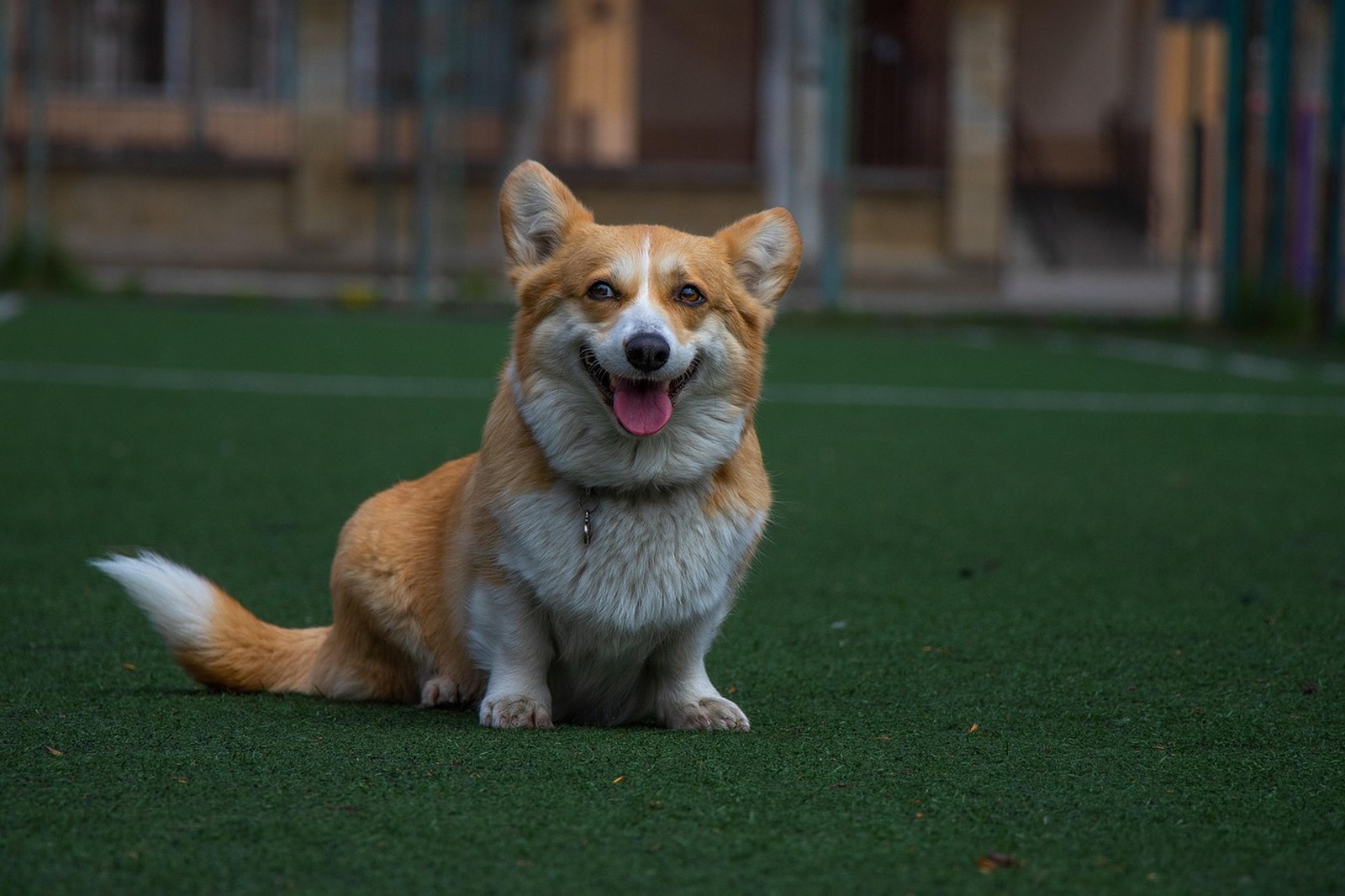
A long break changes a dog's social maths: puppies who plunged into a scrum become adults with opinions, fitness and confidence dip, and a dog who has walked solo for months can find a dozen strangers bouncing toward him frightening rather than fun. Overwhelm is not a flaw to push through — a flooded dog learns that parks predict being trapped, and may start snapping to create space. The staged return below rebuilds the park as small, winnable experiences, accepting that his happiest end point might be small gatherings rather than the Saturday crowd.
Ring one: the park as scenery
Begin outside the fence, at the park's quietest times, at whatever distance he can watch dogs while still taking treats, sniffing and responding to his name — across the street at first, if that is what he needs. Reward calm looking and, even more, looking away to re-engage with you. Keep passes brief and frequent over one to two weeks, edging closer only when the current distance produces loose body language: soft tail sweeps, easy sniffing. A dog who goes still, tucks his tail, pulls hard toward or away from the fence, or refuses food is telling you the ring is too close.
Ring two: one good dog, in open space
Before any group, arrange parallel walks with a single calm, socially fluent dog he already knows or meets carefully: walk in the same direction with distance between you, let the gap narrow gradually, and allow brief, loose greetings that you end while both dogs are still relaxed. Then short free play in a quiet field or large garden, watching quality rather than duration — bouncy, reciprocal chasing with pauses and role swaps is healthy play; one dog always fleeing, pinning or escalating while the other goes quiet is not. Two or three partners who suit him, met regularly, rebuild his social skills and confidence far better than twenty strangers, and for some dogs this ring turns out to be the destination: a dog with good friends does not need the park at all.
Ring three: short, quiet visits inside
Choose the park's emptiest window — often the first half hour after opening on a weekday — and go in with an exit plan, not a duration goal. Start with five to ten minutes: keep moving rather than standing in the gate scrum, call him back periodically for treats, and stay where he can retreat behind you. Leave while he is still coping well, ideally just after a good interaction, because calm endings make the next visit easier and overwhelmed endings make it harder. Lengthen by minutes across weeks, staying off-peak until his body language at the gate is anticipation, not tension.
Learn his personal warning signs: many dogs go quiet and sticky, shadowing their owner and dodging approaches, before they snap; others get frantic — zooming, humping, barking in faces — which is over-arousal, not joy, and also means leave now. At crowded water bowls and gates, step in, create space, and move on.
Judge the outcome honestly
Give the rebuild six to eight weeks of steady stages before deciding. Signs of true graduation: he greets briefly and moves on, disengages from rude dogs without drama, recalls out of play most of the time, and recovers quickly from surprises. If instead he dreads the approach to the park, spends visits hiding or policing other dogs, or has started warning incidents, accept the smaller social life — playdates, group walks on leads, hired secure fields with his known friends — as the right answer for this dog, and discuss any sudden social change with your vet, since pain and illness commonly sit underneath a dog who has stopped tolerating company.
Keeping a shared note of his working distance, his chosen partners and which park hour he handled stops a well-meaning walker undoing the stages at the busy time, and KinsLe Care Teams lets your household post that staged-return plan as shared duties with timestamps, so every walk — outside the fence, partner walk or quiet visit — builds on the last instead of restarting it.