
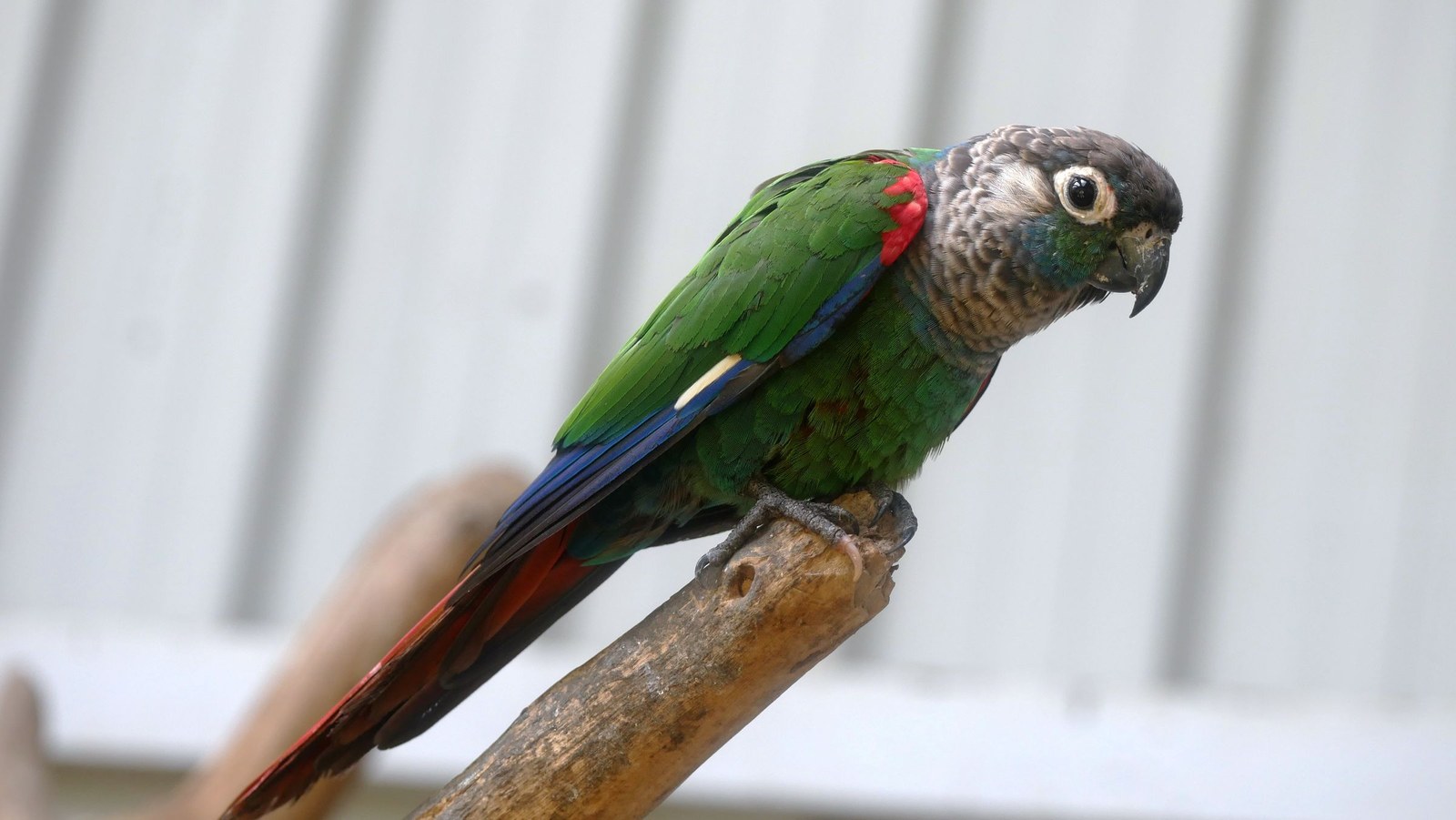
You socialize a bird with new people gradually, from whatever distance your bird stays relaxed at, letting visitors become associated with soft voices, favorite treats, and zero pressure to be handled. Frequent, brief, positive exposures build a genuinely social bird; passing a nervous parrot from hand to hand teaches it that strangers mean stress. Whether you have a shy budgie or a confident macaw, the recipe is the same: the bird sets the pace, and every new person arrives bearing good news.
Read Relaxation Before You Begin
A bird ready to meet people shows soft body language: smooth feathers, casual preening or beak grinding, normal eating, and mild curiosity toward the newcomer. A bird that is pressed flat against the back of the cage, panting, slicked tight, or lunging is not being stubborn — it is over threshold, and pushing on will set socialization back. Choose the starting distance accordingly, even if that means the visitor sits across the room for the first few visits. Progress is measured in your bird choosing to move closer, not in how quickly a guest gets to hold it.
A Visitor Routine That Works
Brief guests before they arrive: speak softly, avoid direct staring, skip hats and sudden arm movements near the cage, and never reach inside. Let the visitor drop a prized treat into a cup attached to the cage and then step back, so good things appear without scary closeness. Over multiple visits, the guest can sit nearer, offer treats through the bars if the bird approaches willingly, and eventually hold a treat while the bird stays on its own play stand nearby. Short sessions ending on a calm note beat one long visit that ends in a squawk and a flurry.
Family Members and Children
Household members can progress faster with daily micro-sessions: a treat delivery on the way past, a few words of greeting, a shared training cue the bird already knows. Supervise children closely — their quick movements and high voices are exciting and alarming in equal measure — and teach them that watching quietly is a real way to be a bird's friend. If your bird clearly adores one family member, use the strategies for widening bonds: let others handle favorite treats and fun training so social rewards are spread around the home.
Socializing Safely
Keep first meetings away from the cage's defended territory when possible, using a play stand in neutral space, and always give your bird a retreat option — an open cage door it can return to restores its sense of control. Watch for overstimulation in even the friendliest birds; cockatoos and macaws can flip from delighted to beaky in seconds during excited group attention. Never let a visitor handle your bird if either party is uncomfortable, and quarantine kindness too: guests who have birds at home should wash hands before contact, and sick birds skip social sessions entirely until your vet clears them.
How KinsLe Helps
Socialization improves fastest when the whole household compares notes, and KinsLe Messenger is the per-pet communications hub for exactly that: your family can share what worked after each visitor session — which treat, which distance, which guest your bird adored — all in one thread organized around your bird. No more contradictory reports or forgotten details. KinsLe Messenger organizes the household's visitor notes on KinsLe around treat choices, starting distances, and how your bird responded to each guest.