
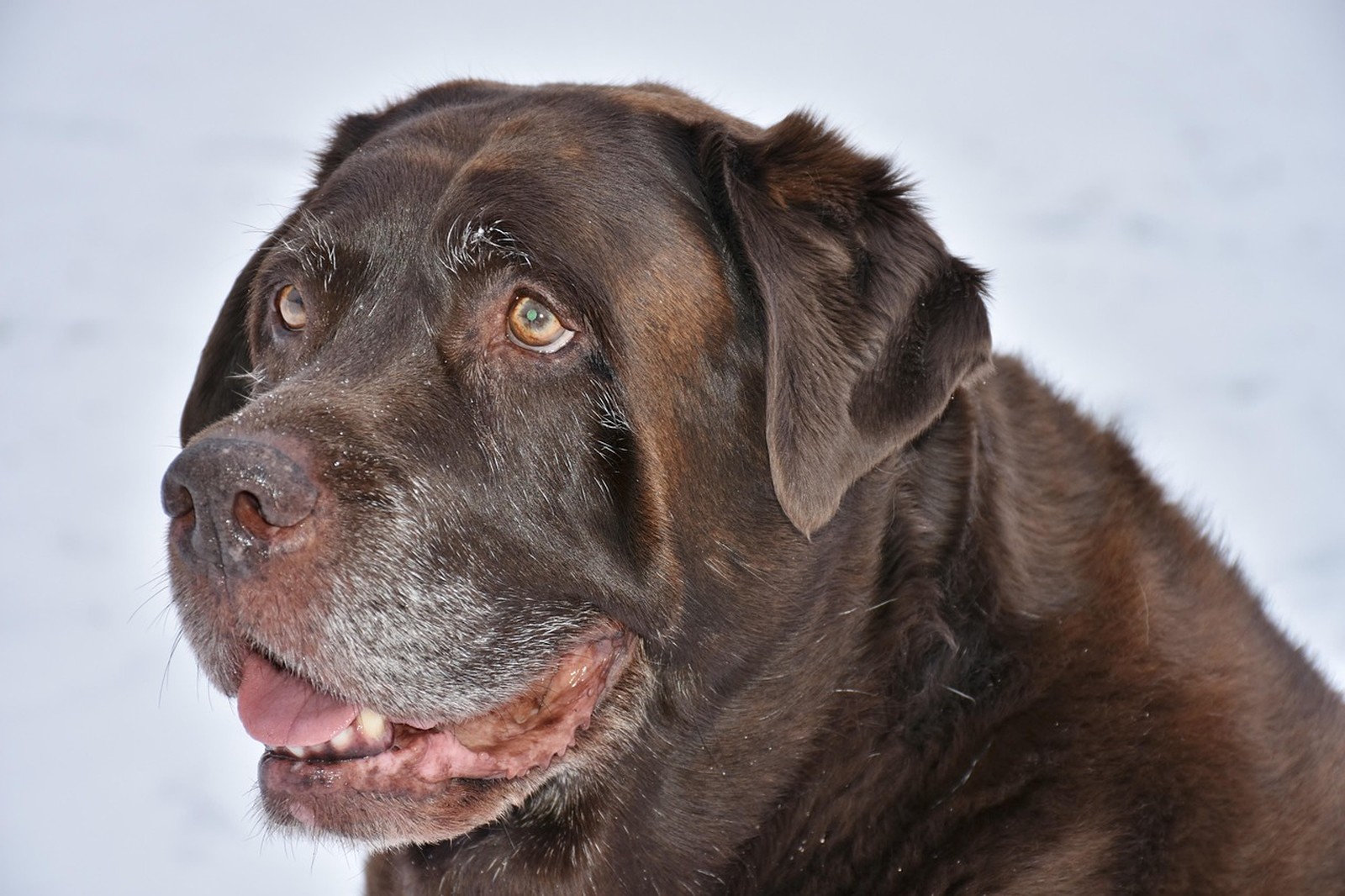
Almost every puppy annoys the older dog in the house at some point, because puppies are built to practise social behaviour at full volume and grown dogs are built to want long, undisturbed naps. The important question is not whether the puppy pesters, but who ends the pestering. If the answer is always your older dog, through growls, snaps, and eventually real corrections, you are forcing a senior animal to do a tiring job and teaching the puppy that other dogs are unpredictable. The adult in charge of this relationship is you, and the plan is supervision, escape routes, and play in doses the older dog would actually choose.
Read what your older dog is really saying
Healthy tolerance looks loose: your older dog plays in bursts, takes breaks, chooses to re-engage, and can sleep while the puppy is in the room. A dog who is merely enduring looks different: turning his head away, moving off repeatedly, freezing when the puppy grabs his ears or collar, showing a hard stare, lip-licking, or growling that the puppy ignores. Growling is communication, not misbehaviour, and should never be punished, because a dog forbidden to growl may skip the warning next time. Puppies are notoriously poor readers of these signals; learning to read them, with your interruptions helping, is precisely the education your supervision provides.
Structure the day so rest is guaranteed
Give your older dog places the puppy physically cannot follow: a room or bed behind a baby gate, a sofa spot the puppy cannot climb to, and feeding and sleeping areas that are permanently puppy-free. Let him choose togetherness rather than having it imposed: if he walks away from play, that decision ends the session, and the puppy gets redirected, not allowed to pursue. Use gates, pens, and leads indoors without guilt during the busy weeks, separating the pair whenever you cannot actively watch, and give the older dog some of his old life back deliberately, a solo walk at his pace, a grooming session, or an evening spot beside you that predates the puppy's arrival.
Run play like a referee, in short rounds
When the dogs are together, watch for play staying mutual: role swapping in chases, pauses, soft bodies, and both dogs returning after a break. Interrupt early and cheerfully the moment it tilts, puppy hanging off an ear, body-slamming a resting dog, guarding you or a toy from the senior, or ignoring his third attempt to disengage. Call the puppy away, reward the recall richly, and occupy him with a training game, chew, or scatter of treats so the older dog's peace does not depend on the puppy's self-control. End joint sessions while they are still going well, several short good rounds a day, rather than one long session that degrades into harassment as the puppy gets overtired, because tired puppies pester more, not less.
Burn the puppy's energy separately too, with play, training, and age-appropriate outings that do not involve the older dog as the entertainment.
When to worry and get help
See your vet if your older dog's tolerance has dropped suddenly, because pain, especially joint pain, makes being bounced on genuinely hurt and shortens tempers for medical reasons. Get behaviour help if the puppy's pestering includes hard staring and stiffening over food or toys, if fights break skin, or if your older dog starts avoiding whole rooms or hiding to escape. A good behaviourist will assess both dogs together, rather than treating the puppy as the whole problem.
This kind of round-the-clock management burns out a single supervisor, so KinsLe spreads it through Care Teams, where puppy watch, senior solo walks, and enforced rest breaks are assigned across the household and timestamped as each shift is done.