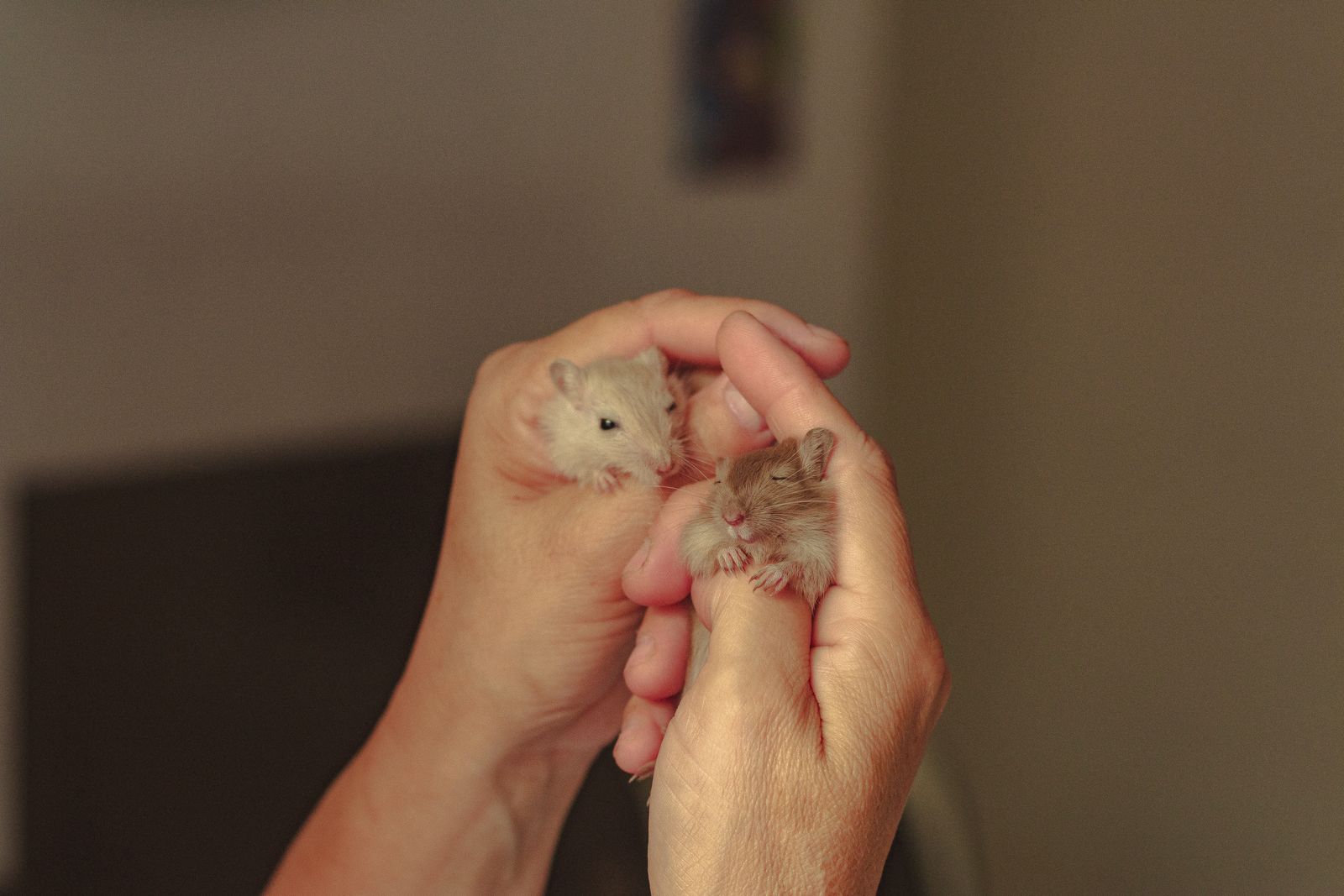
You tame a shy hamster by letting trust build at their pace: sit near the cage and talk softly for a few days, then offer treats from your fingers, then from a flat palm they can choose to step onto. Move slowly, never grab from above, and keep sessions short and positive. Trust with a prey animal is earned over days and weeks of small, predictable kindnesses — not in one long handling session.
Step One: Be a Calm Presence First
For the first few days, resist handling altogether. Sit beside the cage in the evening, when your hamster is naturally awake, and read or talk quietly so your voice and scent become familiar background. Keep the room's routine steady — same times, no sudden loud noises — and let the hamster watch you without anything being demanded of them. A hamster who stops freezing or fleeing when you approach is making real progress, even though nothing has been "done" yet. Never wake a sleeping hamster to start a session; being startled from sleep teaches fear, not trust.
Step Two: Treats From Fingers, Then a Flat Palm
Once your hamster moves calmly around you, offer a favourite treat — a sunflower seed or tiny piece of vegetable — held in your fingers through or just inside the cage door. Let them take it and retreat if they wish. After several successful days, rest your hand flat on the cage floor with the treat on your palm, still as a stone, and let curiosity do the work. The hamster chooses to step on; that choice is the whole foundation. If they only stretch and snatch, that is fine — repeat tomorrow. Sessions of five to ten minutes are plenty.
Step Three: Gentle Lifts and Safe Handling
When your hamster sits on your palm comfortably, begin cupping your other hand loosely over them and lifting just a centimetre or two, then setting them down. Build height and duration gradually, always over a soft surface or inside a playpen, because even tame hamsters can startle and jump, and falls injure small bodies easily. Support the whole body, scoop from below rather than grabbing from above — a hand descending overhead reads as a predator to a prey animal — and end sessions on a calm note with a treat.
Read the Signals and Respect Setbacks
Freezing, thumping, screaming, or frantic bar-chewing mean the session went too far or too fast; go back a step for a few days without frustration. Illness, a cage move, or a frightening noise can all cause a temporary setback in a previously friendly hamster, and the remedy is the same patient ladder, which usually climbs faster the second time. Children should be supervised and seated, with the hamster passed hand to hand rather than grabbed, and taming works best with one consistent handler at first.
Your Hamster's Profile: A Trust-Building Log
Every hamster on KinsLe has its own profile with a unique QR ID, and that profile is a natural home for your taming notes: the day she first took food from fingers, the treat that works best, the step you are working on now. Logging each small win in your hamster's profile means anyone else who handles her follows the same patient plan instead of starting over, and you can watch confidence build week by week — your first pet profile is free. Small steps, written down, become a story of trust. Verified QR ID Pet Profiles on KinsLe give a loose hamster a way home, because whoever picks them up can scan the tag, open the profile it points to, and see exactly which pet they are holding.