
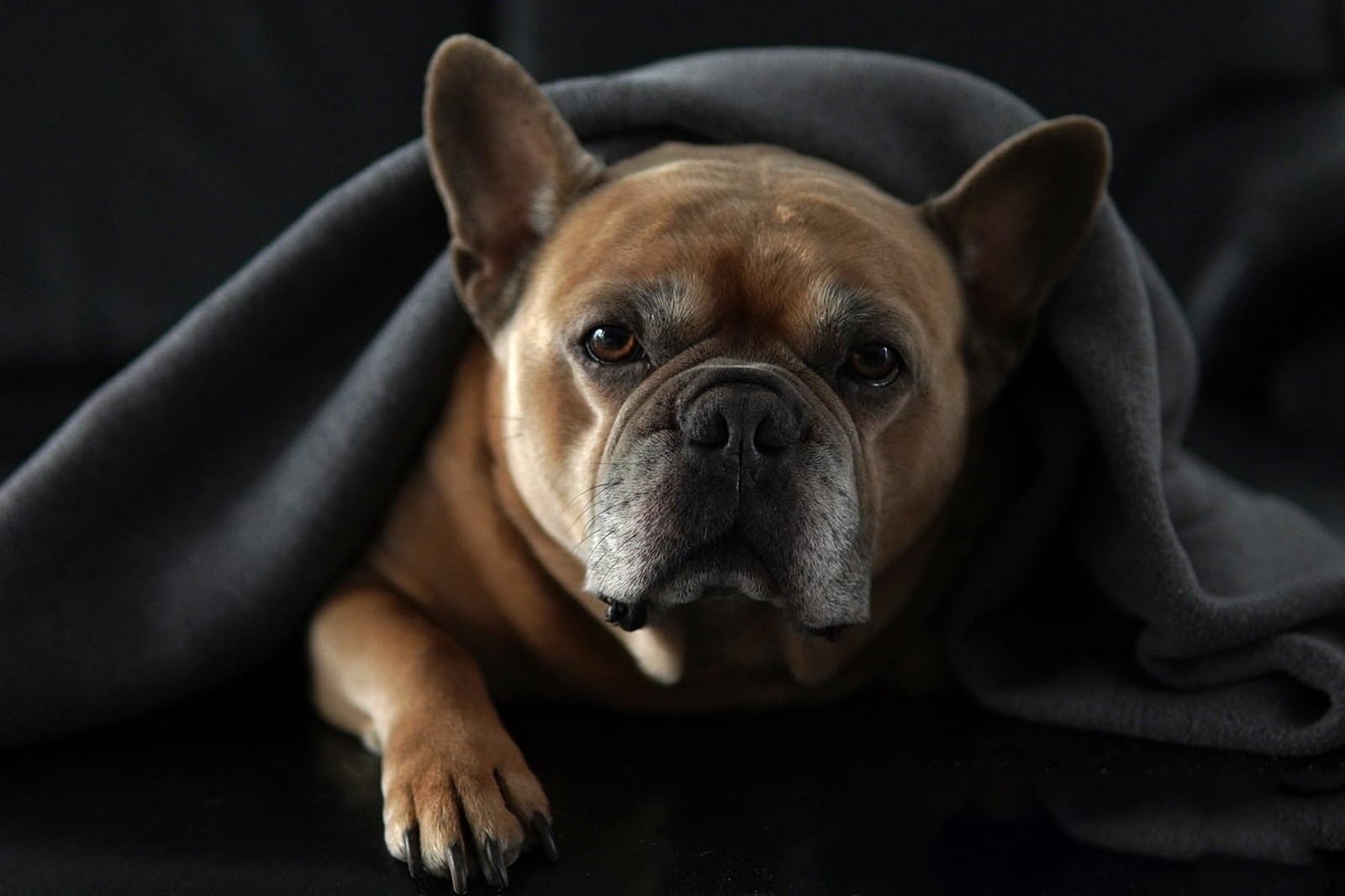
The Chin Rest Is a Consent Switch, Not a Trick
Cooperative care changes who controls a nail trim. Instead of someone holding your dog still while another person clips, your dog takes up a position, usually resting his chin on your palm, a stool or a chair, that means start, and lifting his chin means stop, and the work genuinely stops. A dog who knows he can pause a procedure rarely needs to escalate to growling, snapping or thrashing, because the quiet signal works.
That opt-out is not a loophole to be overridden when you are nearly finished. The moment you clip one more nail after he has lifted his chin, the switch stops meaning anything, and you are back to restraint with nicer branding. Honouring the stop is the training.
Step One: A Solid, Happy Chin Rest With No Tools
Lure his chin onto your cupped hand or a padded surface and reward him there, building a few seconds of comfortable resting before any equipment appears. Practise until he offers the chin rest eagerly when he sees the setup, because that eagerness is your baseline: if he will not take up the position on a given day, he is telling you today is not a nail day, and that information is valuable rather than inconvenient.
Then layer in the geography of care while nothing is done: a hand resting on his shoulder, sliding down a leg, holding a paw, gently lifting an ear flap. Reward, release, repeat, across separate short sessions. Each touch should be boring long before it becomes part of a real procedure.
Step Two: Introduce Tools as Sounds and Touches First
For nails, tap the clippers against one nail without cutting, touch a single toe with a nail file, and let him hear the clipper close on a piece of dry pasta nearby so the sound itself becomes ordinary and rewarded. When you do cut, one nail followed by a reward and a break is a complete success in the early weeks. A full set of paws can take several sessions to build, and that is normal.
For ear checks, lift the flap, look, reward. Later, touch the outer ear with a cotton pad exactly as you would when cleaning, without actually cleaning, so the sensation is rehearsed while nothing medicinal or uncomfortable is involved. If an ear is red, smelly, painful or he shakes his head and scratches persistently, that is no longer a training topic: have your veterinarian examine it rather than practising around a sore ear and teaching him that ear handling predicts pain.
Step Three: Watch His Whole Body, Not Just His Chin
Consent has smaller print. A dog may keep his chin down while his body stiffens, his breathing quickens, he licks his lips, turns his head away or shows the whites of his eyes. Those earlier signals mean slow down, reward, and probably finish for today, even if he has not formally opted out. Equally, a soft body, slow blinks and leaning into the position tell you the pace is right and you can ask for one more small step.
Keep sessions genuinely short, often under a couple of minutes of actual handling at first, and always end on a step he found easy. Little and often builds a dog who trots over when the nail kit appears, which is a far better outcome than a monthly battle that leaves everyone dreading the calendar.
Turn Practice Into a Shared Routine
Progress is easiest to protect when it is written down: which paw is comfortable, which nail he dislikes, how far ear handling has got, and what his stop signals look like. That way a partner, sitter or family member helping with care follows his pace instead of accidentally jumping three steps ahead. KinsLe fits naturally here, since Care Teams can assign the cooperative care practice as regular duties and record which steps were completed and when, keeping your dog's nail trims and ear checks advancing at the speed he has actually agreed to.