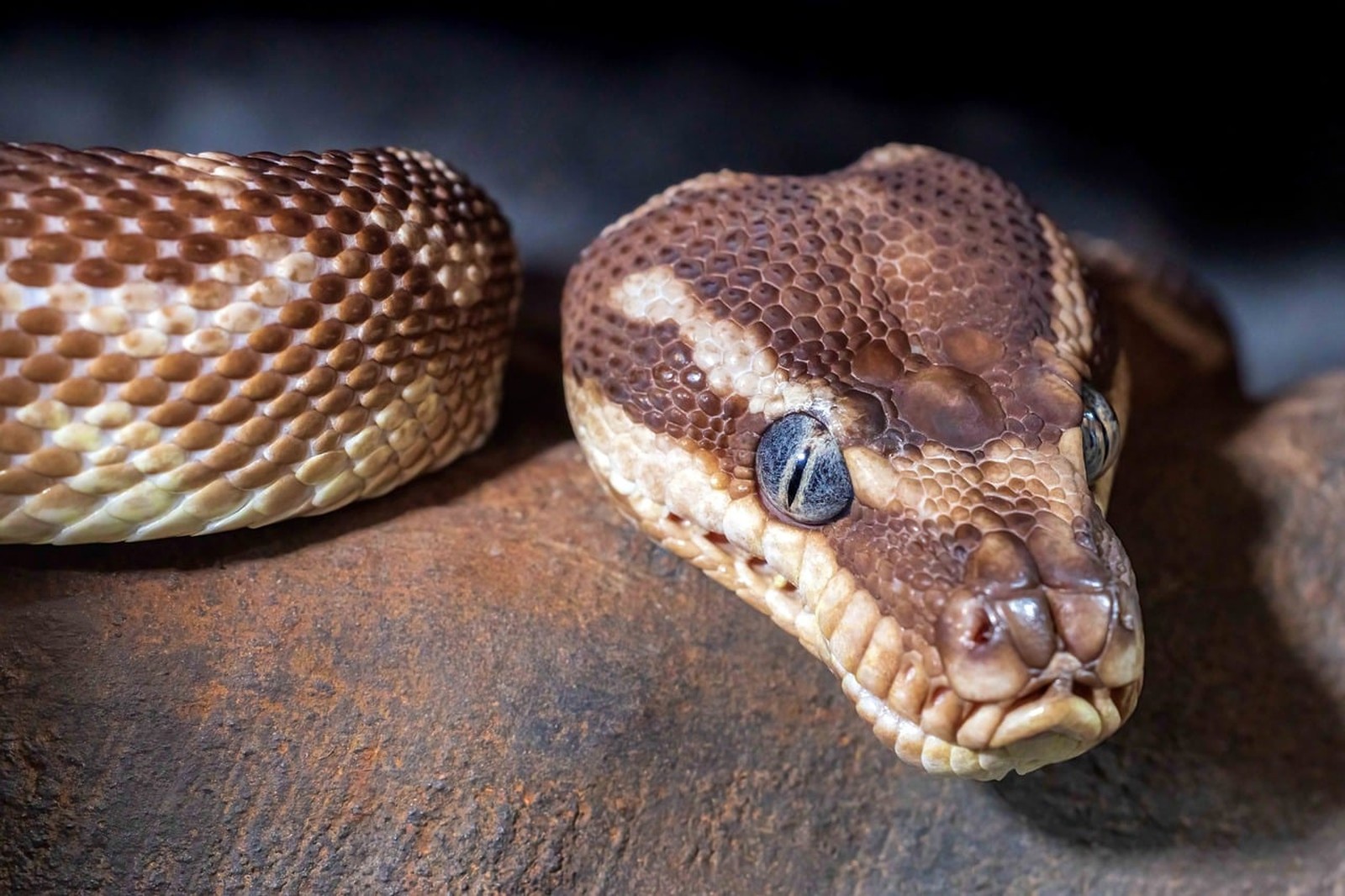
A dark, familiar tub keeps a snake still long enough for a clean reading, and that containment is the whole trick. Set the empty tub, bucket or cloth bag on the scale first and zero the display, then guide the snake inside, lid it, and wait for the wriggling to stop before noting the number. Grams on a kitchen scale suit small and medium animals; a bag on a luggage scale handles the heavy ones. Pick one point in the routine and stick to it — weekly for growing juveniles, monthly for adults, and always at the same distance from a feed and a shed, since a recent meal or an imminent shed inflates the figure.
What the Numbers Are For
Record date, weight, length estimate when you have one, feeds taken or refused, and sheds, in one log: growth curves are how you spot the stories that eyes miss — a juvenile who stops gaining across a month, an adult losing weight steadily (around ten percent loss in a snake who is still feeding is a vet conversation; loss plus food refusal raises it), or a female gaining in a pattern that matters for breeding decisions. Weighing is also your handling-health moment without extra stress: watch breathing, look for mites around the eyes and chin, retained shed, or wounds while the snake is out. Clean and disinfect the container between different snakes, and never weigh snakes together from different enclosures — shared containers are how mites and infections tour a collection.
Working With Your Vet
Bring the weighing record itself to the appointment, because a run of dated weights answers questions a single reading cannot. Note what was happening around any change you are asking about — a refused feed, a recent shed, a move to a new enclosure — and describe the container and scale routine you used, since an inconsistent method can mimic weight change. The examination and any diagnosis belong to the vet; your contribution is a clean series of comparable readings and honest notes about appetite and sheds between visits.
A snake losing weight steadily, losing weight while refusing food across several weeks, or showing breathing noise or mites alongside weight change needs a reptile vet promptly.
Keep the weighing log beside the enclosure rather than in a general notebook: date, grams, whether a feed was taken since the last reading, and whether a shed intervened. A juvenile's curve should climb in steps, an adult's line should hold broadly level, and a slide across three readings is a pattern worth phoning about even when the snake still looks well. Revisit the log after any change of prey size, enclosure or household, because those shifts explain many wobbles in the line.
At the clinic, KinsLe's Pet Passport puts this snake's weight history, shed notes and earlier findings into one packet you can hand straight over.