
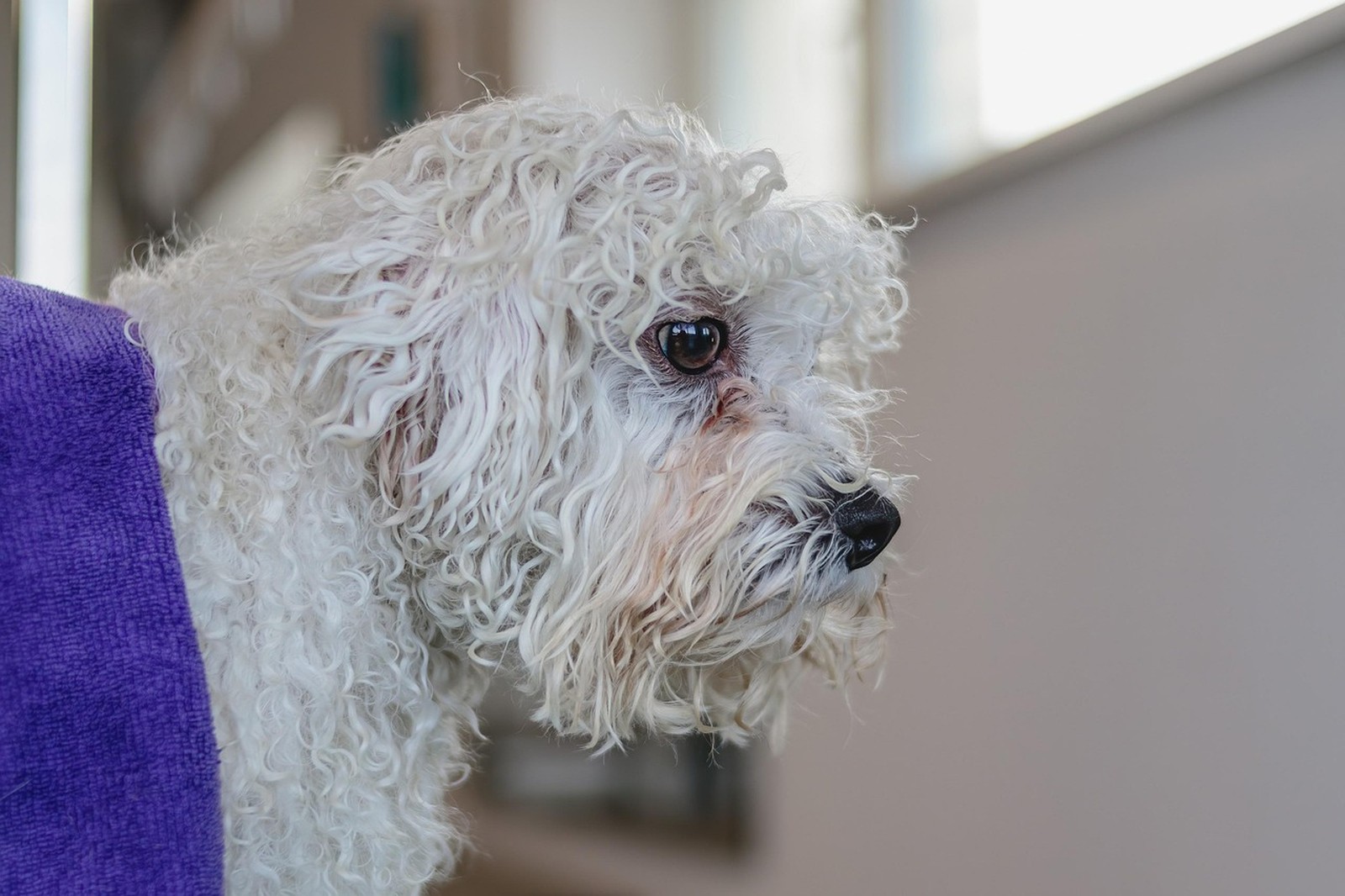
Spring grooming mostly means one thing: more brushing. As the weather warms, your dog sheds their winter coat, and loose hair comes out in handfuls — daily brushing for double-coated breeds, and a few sessions a week for most others, keeps it off your furniture and stops it packing into mats. Add skin checks after muddy walks and a proper bath once the worst of the shed passes, and you have the core of the season.
The Great Spring Shed
That winter coat was insulation, and once daylight lengthens and temperatures rise, it has to go. Breeds like huskies, shepherds, retrievers, and corgis can "blow" their undercoat dramatically, releasing clouds of soft fur over a few weeks. Short-coated dogs shed too, just less visibly. Brushing little and often beats one huge session: ten minutes a day with a slicker brush or undercoat tool removes loose hair before it tangles, spreads natural oils through the new coat, and gives you a chance to spot anything hiding in the fur.
Work in good light and brush down to the skin in sections rather than skimming the surface. Pay attention to friction zones — behind the ears, under the collar, the armpits, and the backs of the thighs — where loose undercoat felts into mats fastest.
Mud, Skin Checks, and Seasonal Restarts
Spring also means mud. Rinse or wipe paws and bellies after wet walks, and dry your dog thoroughly, because damp skin under a thick coat is where irritation and hot spots like to start. Those post-walk wipe-downs double as health checks: run your hands over the skin for lumps, scabs, redness, or ticks that have hitched a ride from longer grass.
It is also the season many owners restart flea and tick prevention if their veterinarian recommends seasonal cover, since parasites wake up right along with everything else. Ask your vet what timing suits your area rather than guessing. Ears deserve a look too, especially on flop-eared breeds — spring allergies can show up as itchy, red ears before anything else.
The End-of-Shed Bath
Once the heaviest shedding slows, a bath lifts out the last of the loose undercoat and leaves the new coat clean. Brush before the bath (wet mats tighten), use a dog shampoo, rinse thoroughly, and brush again once the coat is fully dry. If your dog's shed is more than you can manage at the kitchen sink, a groomer with a high-velocity dryer can clear undercoat in one visit that would take you a weekend.
Sharing the Spring Brushing Load
The honest problem with spring grooming is consistency — the coat needs attention every day, and one person gets busy. KinsLe's Care Teams solve that by turning grooming into assigned duties: feeding, walks, medications, and grooming tasks can be handed out across the family, and each person marks their task complete with a timestamp when it is done. Monday's brush-out might be yours, Tuesday's your partner's, and the weekend bath a shared job — nothing depends on memory, and the dog gets the daily attention their coat is demanding. Written down in the Care Teams plan on KinsLe, the spring brush-out roster names who handles each day's session and shows each one marked complete with its time, so the shedding coat never waits on one busy person.