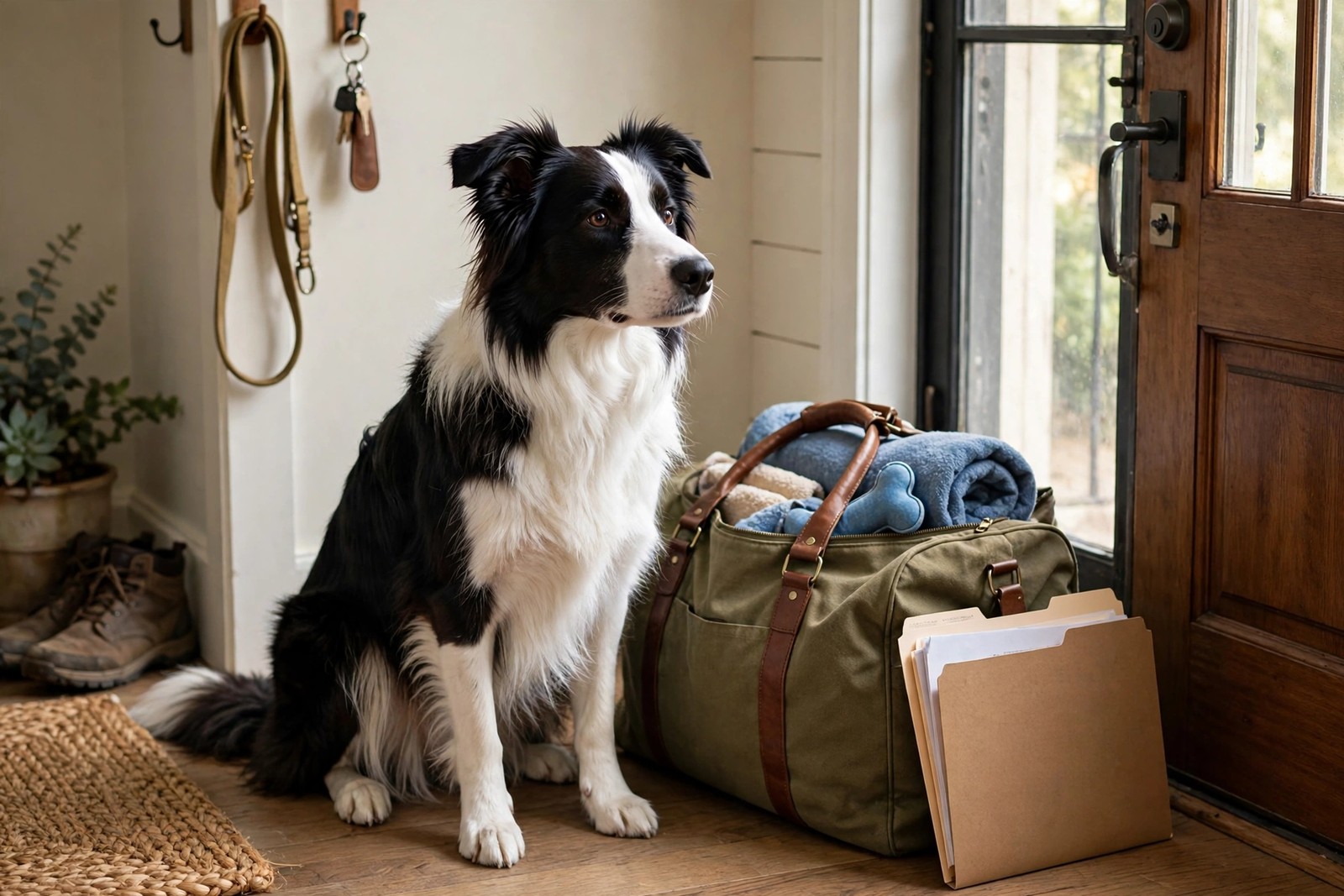
The short answer is: send your dog's vaccine records when you book, and treat one to two weeks before the stay as the latest safe deadline. Boarding facilities do not ask for records early to be difficult. They check them on arrival against their own requirements, and a dog whose paperwork fails at the front desk can be turned away on the day you are due to travel. Sending records ahead moves that check to a moment when a problem is still fixable.
What the Facility Is Actually Checking
Staff compare your certificates against the vaccines they require, which commonly include rabies and core distemper cover, and often a kennel cough vaccine as well, though each facility sets its own list. They check two things owners often miss. First, the vaccine must still be in date on the last day of the stay, not just the first, so a booster due mid-holiday counts as expired. Second, some vaccines need a gap between being given and boarding, because protection is not instant and a dog vaccinated the day before drop-off may not be covered and may also be feeling off color. Only your vet and the facility can confirm the exact requirements for your dog, so ask for their list in writing when you book.
A Working Timeline
When you book, which may be months ahead for holiday periods, send a clear copy of the current certificates straight away and ask the facility to confirm in writing that the records satisfy them. One to two weeks before the stay, look at the expiry dates yourself. If a booster falls due before or during the stay, book the vet visit for this window at the latest, leaving the gap the facility requires between vaccination and boarding. A few days before drop-off, reconfirm the booking and that the records on file are accepted, and pack a paper copy with your dog's food and medication notes in case their system is down when you arrive.
The Problems Early Sending Prevents
The classic failure is discovering at drop-off that a vaccine lapsed during a busy month and nobody noticed. Another is a certificate in a previous owner's name, or under a former surname or old address, which makes staff question whether it belongs to your dog. Records sent early also give the facility time to flag a mismatch between the name on the booking and the name on the certificate, and give you time to get a reprinted, corrected certificate from your vet. If your dog is boarded by a sitter or family member instead, the same lead time applies, because they need the vet's number and proof of cover if your dog is hurt or becomes unwell in your absence.
Keep the Dates Where You Can See Them
The owners who never scramble are the ones who can see expiry dates without digging through email. Note each vaccine's due date somewhere you review monthly, and set a reminder six weeks before the earliest one so a boarding deadline never forces a rushed appointment. Storing the full set of certificates in KinsLe's Pet Passport means the records packet a facility needs, vaccines, vet details, and care notes together, is ready to send the day you book rather than the night before you leave.