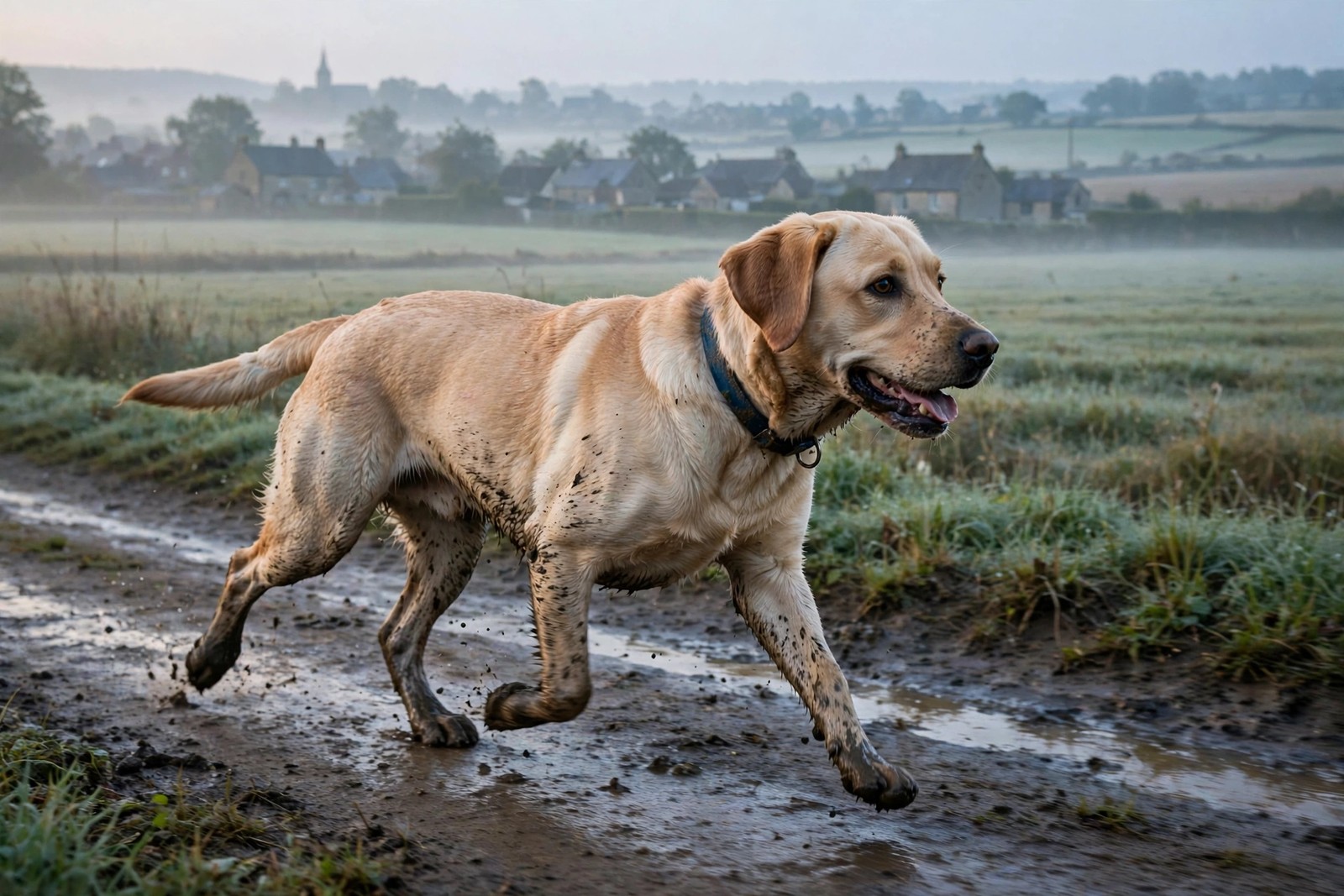
Two things are true at once, and your search has to honor both. Most lost dogs are recovered within a mile or two of where they went missing. At the same time, a fit dog running scared can travel five to ten miles in a day, and occasionally much further. Owners who search only the home block miss the second case, and owners who drive a huge loop straight away miss the dog hiding three gardens over.
Why Most Dogs Stay Close
Small dogs, seniors, injured dogs, and shy personalities usually do not run far. They move a short distance, then find cover: under a deck, in a shed, in dense shrubs, or in an open garage, and they stay silent even when their owner calls nearby. Friendly, confident dogs often approach people or other dogs quickly and are picked up within streets of home. Weather matters too. Heat, storms, and heavy rain push dogs to shelter and wait, which shortens the distance they cover but makes them harder to spot. This is why a slow, repeated, on-foot search of the first mile, checking hiding places at dog height and returning at quiet times like dawn, finds more dogs than one fast drive around.
When a Dog Covers Real Distance
A young, athletic dog that bolts in panic, for example after fireworks or a car backfire, may run in a straight line until exhausted, following roads, rail lines, river paths, and field edges that act as easy travel corridors. Dogs also drift toward familiar smells and places: a previous home, a regular walking route, or anywhere they have been fed. Intact males can travel further following scent. Each day missing can add miles, and a dog picked up and then escaping again in a new area resets the map entirely, which is why every sighting, however far away it sounds, deserves checking rather than dismissing as too distant to be your dog.
Building Your Search Around Distance
In the first hours, work the inner circle thoroughly on foot and tell every neighbor within several streets face to face. The same day, extend your reach: post the alert widely, contact shelters, vets, and animal control across a radius of several miles, not just your nearest one, and repeat the shelter checks every few days because a dog found miles away may be logged far from home. Log every sighting with its time and place on a map. Sightings usually form a pattern of movement, often looping back toward home ground at night, and that pattern tells you where to place food, a scent item of your clothing, and your evening watch. Never chase a sighted dog, which only adds distance; crouch, stay calm, and let the dog come to you.
Speed Is What Turns Distance Into a Reunion
Distance only defeats a search when word travels slower than the dog. A description shared across a wide area in the first hour means the runner five miles away is being looked for before it gets there, and a finder can reach you the moment they spot a matching dog. That is exactly the gap KinsLe's Lost Pet Alert System is built to close, sending a free alert to nearby Circle of Love members across a wide local area so your dog's description, photo, and a direct way to message you are already ahead of wherever your dog travels next.