
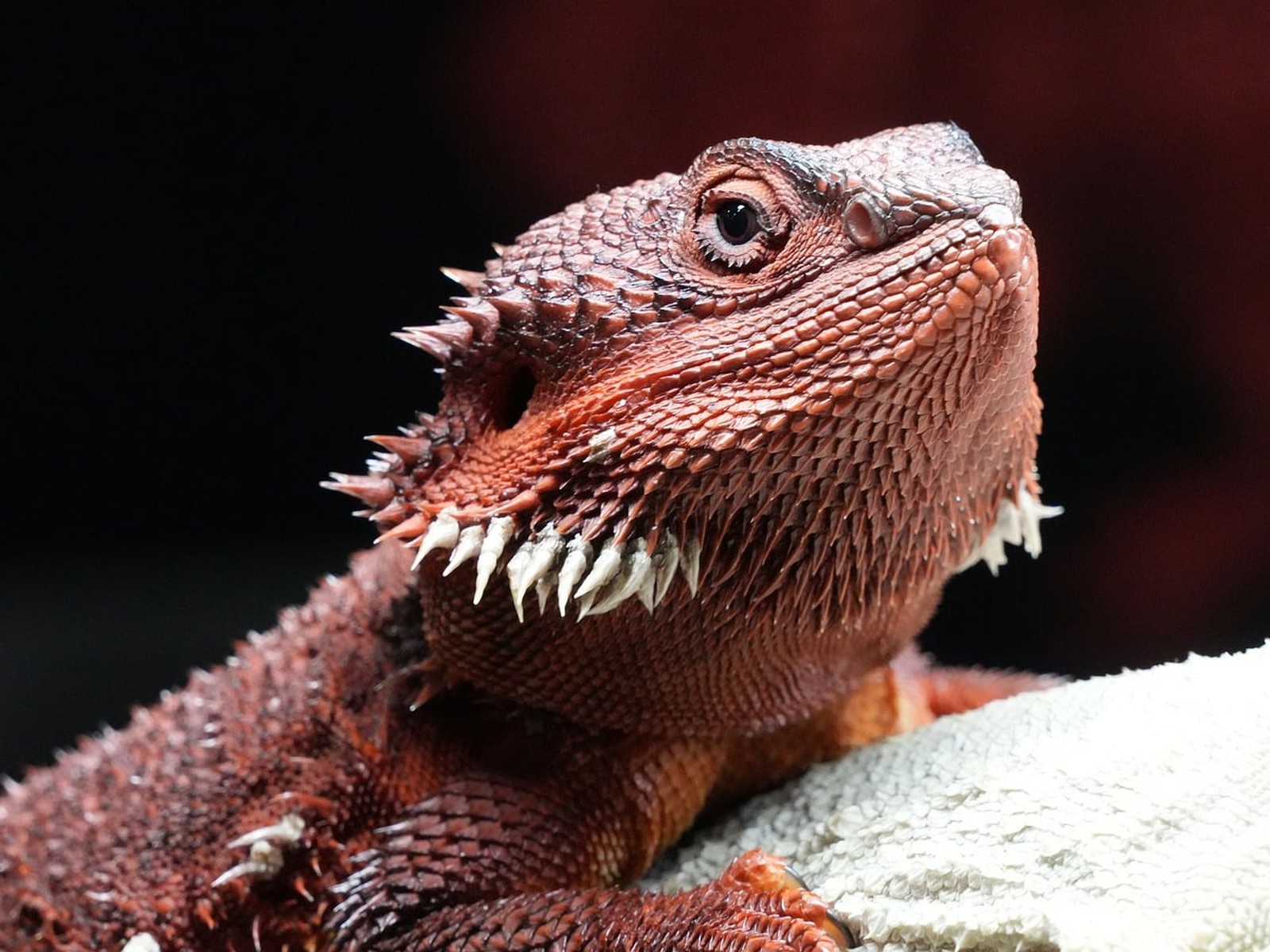
A bearded dragon in captivity typically lives eight to twelve years, and individuals with excellent care from hatchling stage can reach around fifteen. That makes a bearded dragon a decade-long commitment, closer to adopting a dog than buying a short-lived starter pet. In the wild in central Australia, life is usually shorter, with predation, drought, and parasites cutting the average down considerably.
What Decides Whether Your Dragon Reaches the Top End
Lighting is the single biggest factor. Bearded dragons need strong UVB for ten to twelve hours a day to make vitamin D3 and absorb calcium; without it, metabolic bone disease softens the jaw and limbs, often in the first year, and quietly shortens life even when it does not kill outright. UVB tubes lose output long before they stop glowing, so they need replacing on the maker's schedule, typically every six to twelve months, whether the light still looks bright or not.
Heat runs a close second. A proper basking spot, roughly 38 to 43 degrees Celsius for adults and slightly hotter for babies, with a cool end near 24 to 29 degrees, lets a dragon digest food and run its immune system. A dragon kept too cool eats, grows, and fights infection poorly for years before it shows.
Diet shapes the middle years. Babies need mostly live insects, shifting to mostly leafy greens and vegetables as adults, with calcium dusting at most feeds. Adults fed endless fatty worms become obese, and fatty liver disease is a common, preventable reason older dragons decline early. Variety, gut-loaded insects, and restraint with treats are lifespan decisions, not details.
Life Stages to Expect
A hatchling grows astonishingly fast, reaching near adult size within twelve to eighteen months. The adult years, roughly two to seven, are the settled plateau: steady appetite, regular sheds becoming less frequent, and a calmer temperament. From about eight onward, treat your dragon as a senior: watch weight, hydration, and mobility more closely, keep basking access easy without steep climbs, and schedule vet checks more readily when appetite dips for more than a few days.
Genetics play a part you cannot fully control. Heavily bred colour morphs and dragons from poor breeding stock may carry weaker constitutions, which is one reason asking a breeder or rescue about the parents, feeding history, and any previous illness is worth doing before you commit to a decade together.
Signs of a Dragon Ageing Well
A long-lived dragon stays alert with bright eyes, holds weight without a sagging belly dragging on the ground, sheds cleanly, and keeps a reliable appetite for greens. Keep brief notes on weight, feeds, bulb changes, and vet visits across the years; patterns over twelve months tell you far more than any single day, and those notes become invaluable if care ever changes hands.
A ten-to-fifteen-year life will likely outlast some owners' living situations, which is exactly why the record should belong to the dragon. KinsLe's Transferrable Profiles lets a bearded dragon's profile, history, and routines transfer intact to a new owner, so a dragon rehomed in year nine arrives with its bulb schedule, diet, and vet history known rather than guessed.