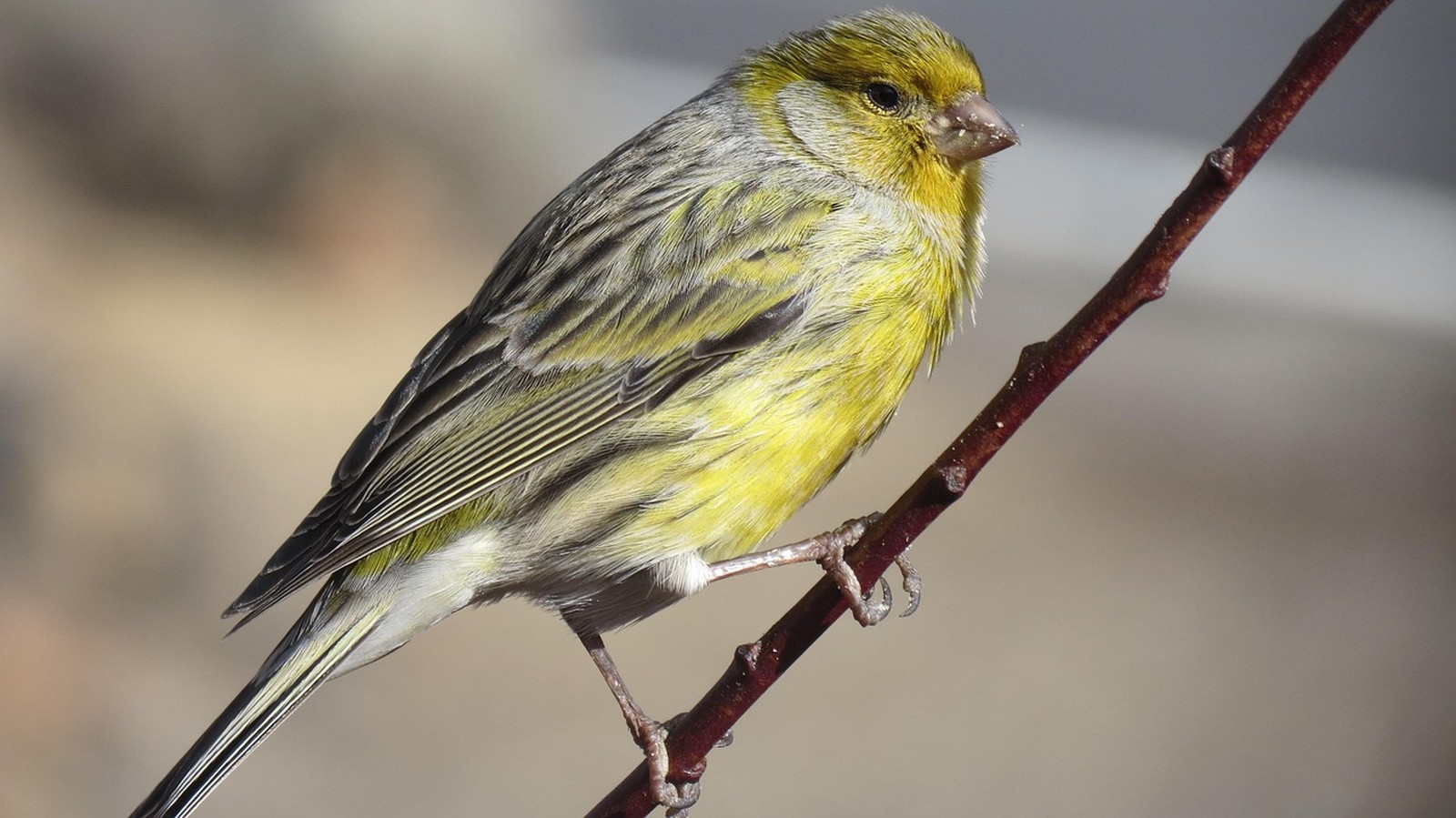
A domestic canary in a good home typically lives 10 to 15 years. That surprises many buyers, who file a canary under short-lived small pets; in reality you are committing to a bird who may sing in your kitchen for well over a decade. Wild canaries face predators and hard winters and live far shorter lives, so almost everything about a pet canary's lifespan is decided by the air, food, space, and rest you provide indoors.
Clean Air Is the First Lifespan Rule
Canaries were once carried into coal mines precisely because their breathing is more sensitive than ours, and that sensitivity never left the species. Cigarette smoke, scented candles and sprays, and fumes from overheated nonstick cookware can each injure or kill a canary, and a bird kept in a smoky kitchen rarely reaches double figures. Place the cage in a room with fresh, moving air but no direct drafts, away from cooking fumes, and treat air quality as seriously as food.
Food, Flight, and Sleep
A seed-only diet is the quiet lifespan shortener in many canary homes. Seed forms the base, but long-lived canaries also get leafy greens, small amounts of grated carrot or apple, and egg food during the annual molt and breeding condition, when protein needs rise. Flight matters as much as food: choose the longest cage you can rather than a tall narrow one, because canaries fly horizontally, and daily wing exercise protects heart, lungs, and weight. Finally, canaries need 10 to 12 hours of dark, quiet sleep; a cage cover in a room that stays lit and loud until midnight produces a chronically tired, stressed bird.
Reading a Bird Who Hides Illness
Canaries, like most small birds, mask sickness until they cannot. The warning signs that should send you to an avian veterinarian promptly are a male who stops singing for more than a day or two outside molt, sitting fluffed up with eyes half closed, tail bobbing with each breath, moving to the cage floor, or a sudden drop in droppings and appetite. During the normal annual molt, usually in summer, singing pauses and feathers look scruffy for several weeks — that is expected, and extra nutrition, not panic, is the right response.
A Decade of Small Daily Jobs
Ten to fifteen years of canary care is thousands of mornings of fresh water, seed, greens, and a clean cage floor, and the routine survives best when it is not carried by one person alone. KinsLe's Care Teams lets you assign those feeding, water, and cleaning duties to family members or helpers for your canary, and every finished task is marked with a timestamp, so a decade of consistent care never depends on one person's memory.