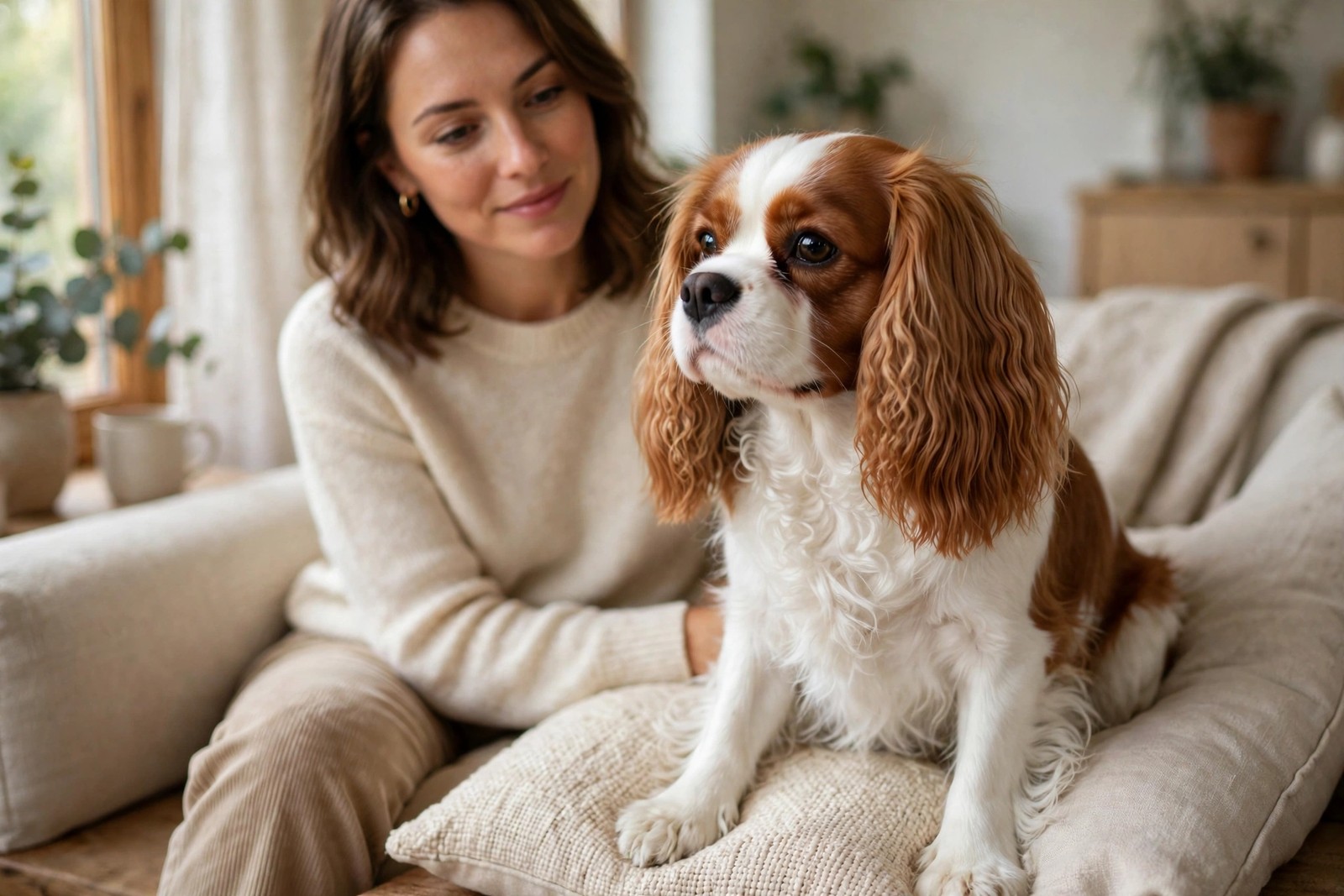
Cavalier King Charles Spaniels usually live 12 to 15 years. Many Cavaliers reach the upper end of that range as gentle, adaptable companions, but the breed carries a well-known vulnerability: heart valve disease that can develop as the dog ages. That single fact shapes how you should think about the lifespan question. For a Cavalier, years are protected less by any one product or food and more by consistent heart monitoring, lean weight and an owner who notices small changes in stamina early.
The Heart Conversation Comes First
Ask any breeder, before you discuss puppies, what heart screening both parents have had and at what ages, and ask to see the results. A careful breeder screens breeding dogs for heart health and can talk honestly about longevity in the lines behind the litter, including what ages grandparents reached. Once your Cavalier is home, keep heart checks part of routine adult vet visits even while your dog seems perfectly well, because early valve changes are usually found by listening, not by watching. If your vet detects a change, follow the monitoring plan you are given and keep every result, since the pattern across several checks tells more than any single visit.
Other Watch Points Across the Years
Ears need weekly attention in this breed: the long, feathered ears trap moisture, so check for redness, odour or head shaking and ask a vet about anything that persists. Eyes should stay bright and comfortable; report cloudiness, rubbing or discharge rather than waiting. Weight creeps up easily in a dog bred to be a lap companion, and extra weight adds work for the heart and joints, so measure food, count treats within the daily total and check ribs monthly. Teeth also matter in a small mouth, so build brushing or vet-advised dental care into the routine from young adulthood, not just when breath turns unpleasant.
Signs That Deserve a Prompt Vet Call
Coughing, especially at night or after excitement, tiring sooner on familiar walks, breathing faster at rest, restless sleep or fainting should all be reported promptly in a Cavalier of any age. None of these signs diagnoses anything on its own, and each can have several causes, which is exactly why a vet who can listen to the heart and review your dog's history should judge them. Keep a brief note of when you noticed a change and how often it happens; that detail genuinely helps at the appointment. Gentle daily exercise, a calm home routine and company through the day suit this people-focused breed and support the appetite and mood that keep senior Cavaliers thriving.
Heart results, weight notes and vet findings gathered over 12 to 15 years are far more useful together than scattered across old invoices and memory. KinsLe's Pet Passport gathers your Cavalier's screening results and visit notes into one complete packet, so each new heart check can be compared with every check that came before it.