
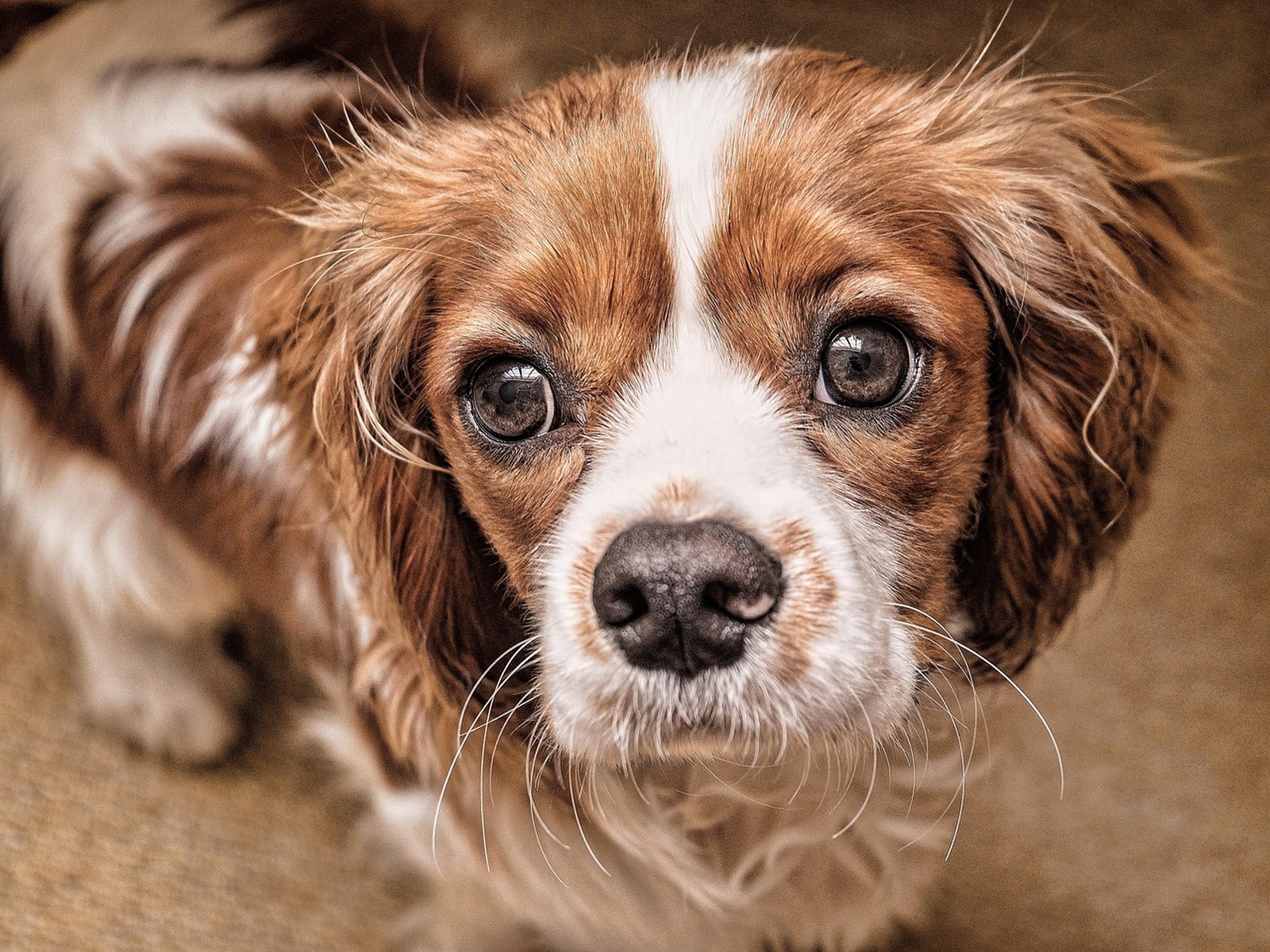
The first year with a Cavalier King Charles Spaniel is defined by closeness. This is a breed that regards a closed door between dog and owner as a problem to be solved, and the year's real work is building a confident, well-groomed companion who can also cope, gradually and kindly, with the moments when nobody is home.
Early months: confidence built at the puppy's pace
Cavaliers are sensitive souls who learn beautifully with praise and food rewards and shut down under scolding. Keep training sessions short and sweet, celebrate effort, and let a worried puppy observe new things from your lap or at a distance before closing in. Socialisation still matters, a Cavalier who meets many friendly people, calm dogs, and everyday sounds early is far less likely to become the trembling, barky adult the breed can slide into when sheltered.
House-training generally progresses well on a steady routine of trips after sleep, meals, and play. Recall practice should start young in safe spaces, because a Cavalier following a scent or a butterfly has a spaniel's selective hearing under the sweet expression, and a long line protects the training while it firms up.
The alone-time curriculum
Separation is the breed's central challenge, so teach solitude like a subject rather than hoping it develops. Practise tiny departures from the first weeks, seconds at first, then minutes, with boring returns and a safe chew left behind, and build duration so slowly that the puppy stays relaxed throughout. A youngster who panics when left, drools, toilets, or scratches at doors despite gradual work deserves an early conversation with your vet or a qualified behaviourist, because patterns set in the first year are the easiest to change.
Grooming the silk and those spaniel ears
The coat needs brushing several times a week, working through the long ear feathering, chest, and the backs of the legs where mats form quietly. Get the puppy used to ear checks as a cuddle-time ritual, looking and smelling inside those long, drop ears weekly, since their covered shape traps moisture; redness, odour, head shaking, or scratching at an ear are all reasons to book a vet visit rather than reach for home remedies.
Feed carefully and watch the waistline. Cavaliers gain weight easily, love their meals, and carry extra pounds badly, so measure food, keep treats small, and build the day's exercise, usually a couple of moderate walks plus play, into a fixed habit the whole household keeps.
Health records worth keeping well
This breed rewards owners who keep tidy health notes. Your breeder or rescue should supply the puppy's early health paperwork, and your vet will advise on the screening and checks appropriate as the dog grows; record every visit, weight, and observation about exercise tolerance, coughing, or unusual tiredness in one place, and bring anything that changes to appointments promptly rather than waiting for the next scheduled visit.
Handled this way, the year produces a serene, affectionate young dog who fits into almost any household rhythm, and KinsLe's Pet Passport supports exactly that record-keeping by keeping a Cavalier's health documents and visit notes together in one packet that travels with the dog.