
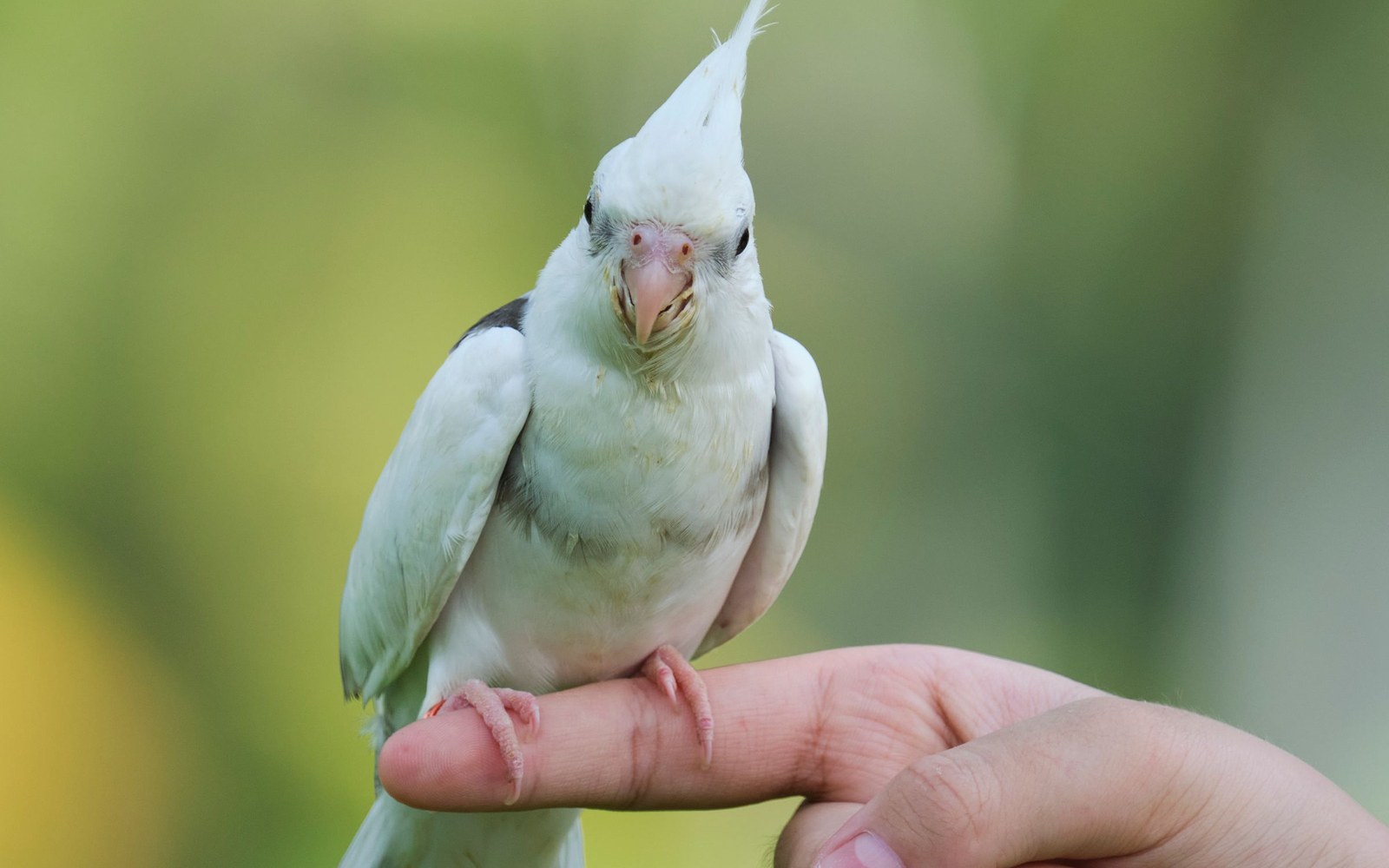
There is no single timetable, because trust is something your new bird grants at its own pace. Many birds allow a calm human presence nearby within days. Taking food near you, or through the bars from your fingers, often takes weeks of patient repetition. Hands, stepping up, and relaxed handling usually come later, and for a wary or rehomed bird that stage can take months. The bird sets the pace throughout, and owners who accept that early tend to reach every later stage sooner.
Why Starting Points Differ So Much
A hand-reared bird, fed and handled gently by people from a young age, often treats humans as flock from the first day home. A parent-reared bird, raised by its own parents with little human contact, has no such head start and must learn that people are safe entirely from your behavior. Read that difference as a tendency, not a rule: a confident parent-reared youngster can outpace a shy hand-reared bird. Species, age, health, and past handling all play a part too, and a bird that arrives tired, mid-molt, or unsettled by a long journey may look distant when it mostly needs quiet and rest.
The First Days: Calm Presence Nearby
In the first days, expect your bird to sit quietly, watch everything, and eat mostly when you are not looking. That stillness is inventory, not rejection. Sit near the cage reading or talking softly, move slowly, and narrate before your hands enter the cage for food and water, so nothing arrives as a surprise. Early signs of easing are easy to miss: eating while you watch, preening or stretching in your presence, curious head tilts, and soft contact calls answered back to your voice. Birds only groom and relax their guard when they feel reasonably safe, so each ordinary moment is real progress.
Weeks Two to Six: Food Builds the Bridge
Food association does most of the heavy lifting in this stage. Offer a favorite treat at the bars, then rest your hand near it without reaching toward the bird, and let the bird close every inch of distance itself. Keep the same routine each day: similar wake-up, feeding, and lights-out times, the same quiet voice, and the same chair beside the cage. Predictability reads as safety to a prey animal. Some birds move to taking food from fingers within a couple of weeks; others hold at the bars for a long plateau before advancing suddenly, and a plateau is consolidation, not failure.
Later: Hands and Handling
Only when food from your fingers is relaxed and routine should hands become the lesson. Let the bird step toward an offered hand or perch for a treat rather than bringing the hand to the bird, and never grab, towel, or chase a bird for bonding time, since one frightening capture can erase weeks of careful work. Short, successful moments beat long ambitious ones. A bird that chooses your hand twice and then retreats has still had a good session, and ending there protects the trust you are building.
Habits That Protect Slow Progress
Guard the environment as carefully as the routine. Keep dogs and excited visitors from looming over the cage, cover or move the cage if household noise spikes, and wash your hands before handling, especially after touching other birds. Note small milestones with their dates in a simple log; on flat days, the record proves how far the bird has come. If trust collapses suddenly after steady progress, or the bird stops eating, fluffs up, or breathes with effort, skip training and consult an avian veterinarian, because pain and illness commonly hide behind behavior changes.
Plateaus test patience most, because a bird can hold at one stage for a long stretch and then advance suddenly once that stage feels completely safe. Keep offering the same treat at the same bars, and let the small signs — eating while you watch, preening nearby, answering your voice — tell you when to try the next step. KinsLe's Kinny can answer what you ask next, his reply drawn from KinsLe Answers rather than guesswork.