
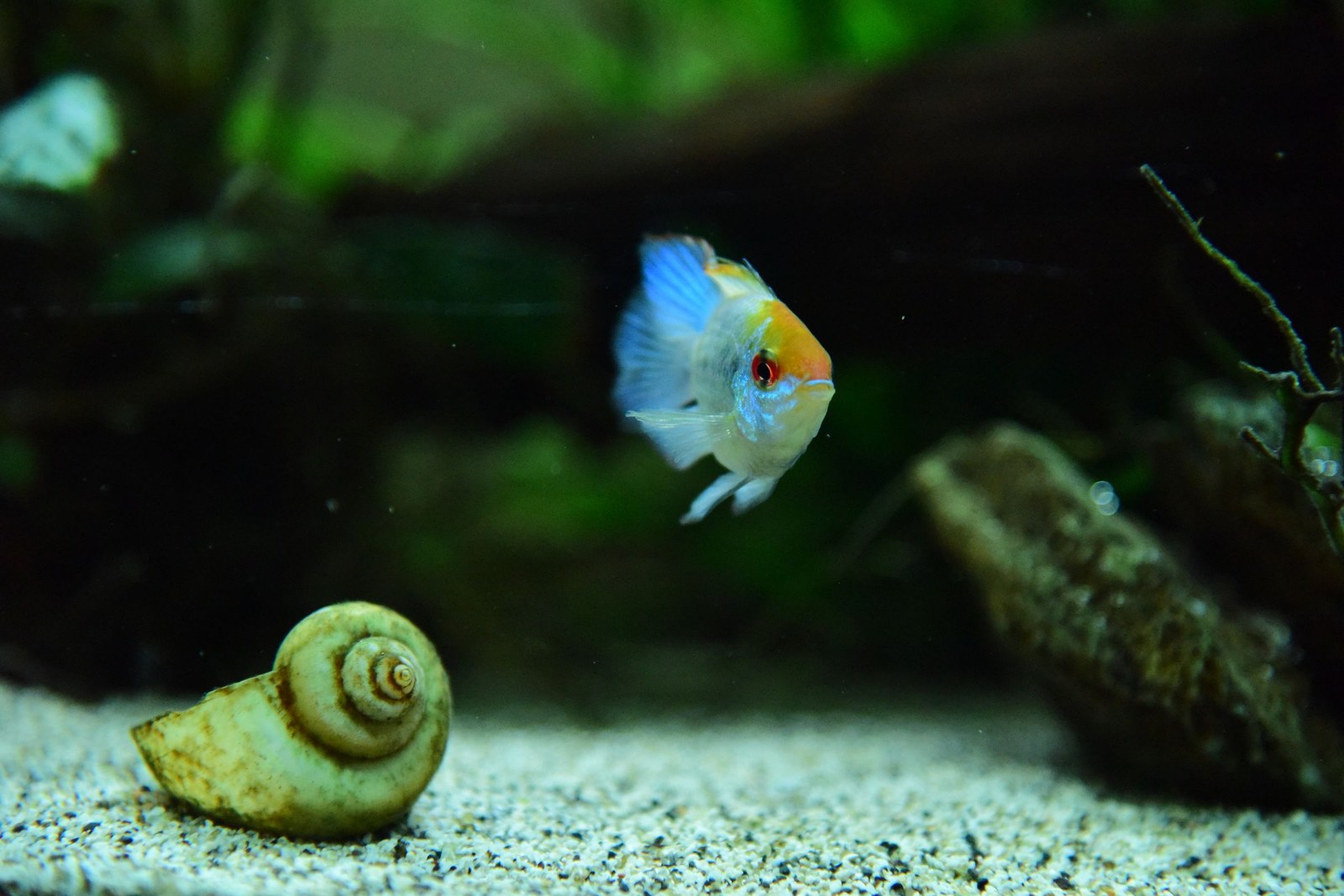
There's no magic number for a 20-gallon tank: a species' adult size, the shape of its body, and how much waste it makes matter far more than any inch-per-gallon rule. A 20-gallon long holds roughly the same water as a 20-gallon high but offers far more swimming room for active species. Think in zones instead: a small school for the mid-water, a few bottom-dwellers, and one calm centerpiece fish — added gradually while you watch your water quality. A well-planned 20-gallon might hold 10–12 small tetras, six corydoras, and a honey gourami; or a trio of platies, a school of rasboras, and a bristlenose pleco. The tank tells you when it's full: nitrates climbing fast between water changes means you've reached the limit.
Why the old rules mislead
The "one inch per gallon" rule ignores that a fat-bodied two-inch fish produces far more waste than a slender two-inch one, that active swimmers need footprint more than volume, and that territorial fish need personal space no formula captures. It also counts juvenile size, not the adult the fish will become. Ten one-inch juveniles that grow into five-inch adults were never a ten-gallon stocking plan — they were a future crisis. Plan for adults, always.
A practical 20-gallon stocking recipe
Pick one schooling species as your foundation — 8–10 neon tetras, ember tetras, or harlequin rasboras. Add a bottom crew of 5–6 corydoras or a small bristlenose pleco. Finish with one centerpiece: a honey gourami, a betta (only with peaceful tank mates and no fin-nippers), or a pair of German blue rams if your water suits them. That's a full, lively tank. Alternatively, go species-only: a 20-gallon makes a superb single-species home for a big school of 15–20 chili rasboras or celestial pearl danios.
Add gradually, watch the water
Add one group at a time, two to three weeks apart, so your filter bacteria grow to meet each new bioload. Test ammonia, nitrite, and nitrate through each addition. If nitrates rocket between weekly water changes, you're at capacity — upgrade filtration, increase water changes, or stop adding. New tanks under two months old are still maturing; stocking them like an established tank invites the classic new-tank ammonia spike.
The surprise-addition problem
The fastest way to wreck a stocking plan is an impulse fish — the "rescue" pleco, the pretty cichlid, the extra school "because the tank looked empty." Every addition changes the waste load and the social dynamics. Agree the plan with everyone in the household before the first fish goes in, and make the store trip a team decision, not a solo adventure.
KinsLe and the Agreed Plan
The agreed list still does its work on paper or in a household chat: tetras, corydoras and a centerpiece already planned leave little room for an impulse purchase to argue its way in. Separately, an owner can use Family Sharing to let a brother or sister open the profile for a fish on KinsLe.