
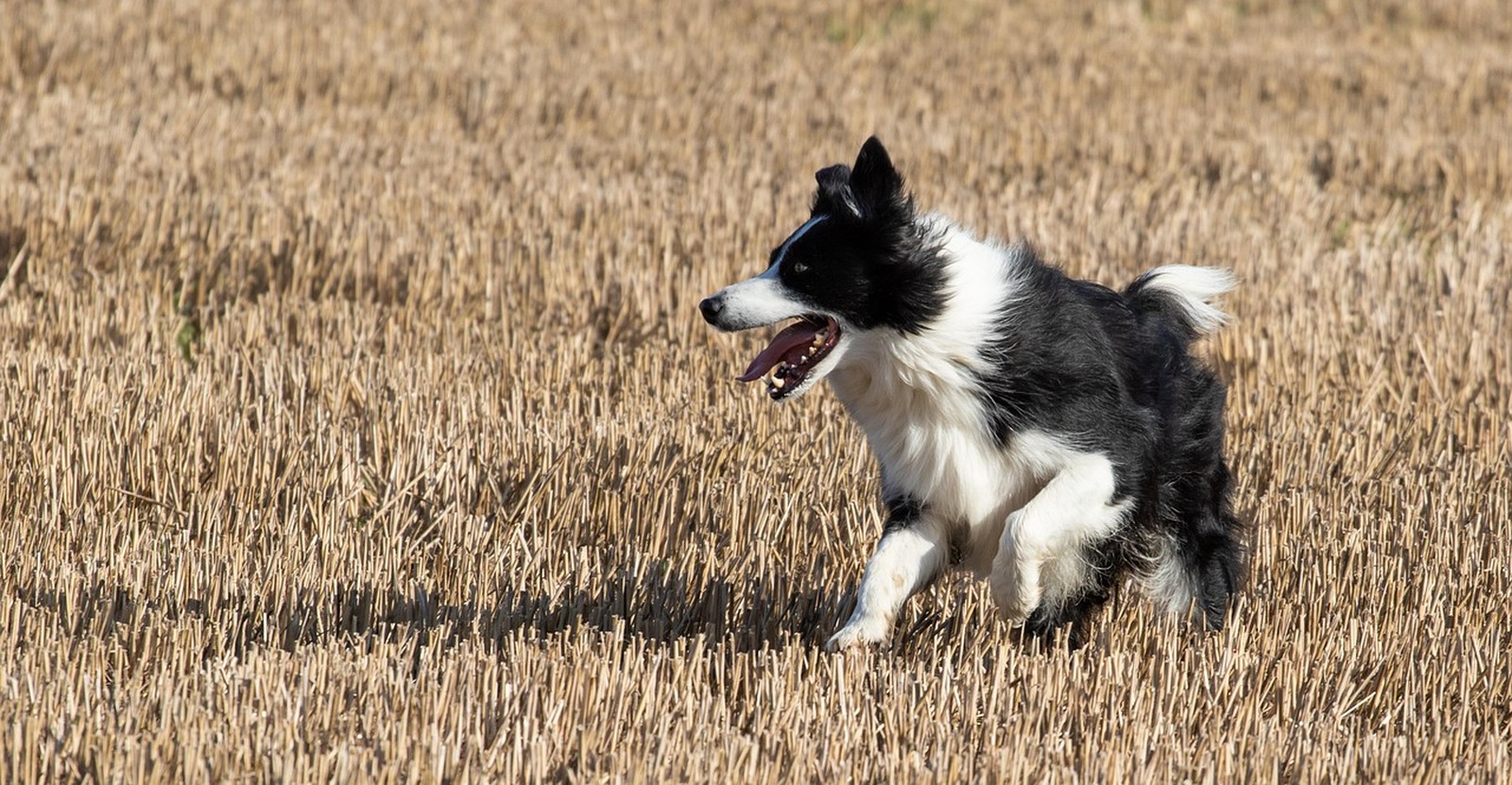
A Border Collie's meal schedule has to serve two masters: a stomach that should never be loaded before intense work, and a mind that will organise its entire day around the next feeding if the timing is vague. Two meals suit most adults, but the reasoning differs sharply between a working sheepdog and a pet Collie whose work is play.
Two meals around the activity, not one big one
The adult Border Collie is a lean, tireless athlete, and two meals a day frame his energy sensibly: a morning meal with time to digest before serious running, and an evening meal once the day's work, training, or long walk is done and he has cooled down. One large meal invites him to run on a full stomach or to spend a hungry day on empty, neither of which suits a dog who gives everything to whatever task is in front of him. Two meals also give you twice-daily information — a Collie who leaves breakfast is telling you something, because this breed rarely skips food without a reason.
Puppies: three to four meals while the frame is built
Border Collie puppies should start on three to four small meals a day, stepping down through three to the adult two as growth slows across the first year and beyond. Collies mature into their full frame and stamina gradually, and regular smaller meals support steady growth without overloading a young stomach or encouraging the frantic eating that bored, bright puppies can develop. Keep the meals at predictable times; a puppy who knows when food comes is easier to housetrain and less likely to spend the day foraging hopefully around the kitchen. Your veterinarian can confirm at growth checks when yours is ready to drop a meal.
Working dog or pet dog: scale the ration, keep the pattern
The meal count stays at two for most Collies, but the contents of the bowls should differ honestly between a sheepdog working fields all day and a pet whose work is fetch and agility twice a week. Heavy, sustained work can justify a larger total, a more energy-dense food, or a small midday meal on the longest days, while a pet Collie fed a working ration will gain weight despite his busy reputation, because his actual hours of hard exercise are fewer than his energy suggests. Judge by condition — ribs easily felt, a defined waist, stamina that lasts — checked every couple of weeks, and change the amount inside the two meals before changing the meal pattern itself.
Obsession, speed eating, and the Collie stomach
Border Collies bring intensity to the bowl as well as the field. Some bolt food in seconds, which a slow-feeder bowl or scattering part of the ration to hunt can moderate, and some become fixated on mealtime long before it arrives, herding their owners toward the kitchen. A fixed schedule, served without negotiation, lowers that pressure for everyone. Feed after exercise has ended and breathing has settled, not immediately before intense work, and watch for a sudden appetite change, weight drift despite a steady ration, or digestive upset that persists — all reasons for a veterinary check rather than another tweak of the timetable.
A Collie's routine runs the whole household if you let it, so put his plan in charge instead: KinsLe Care Teams holds his two feeding duties with times, amounts, and the after-exercise rule, each marked done so nobody serves an extra bowl to those persuasive eyes.