
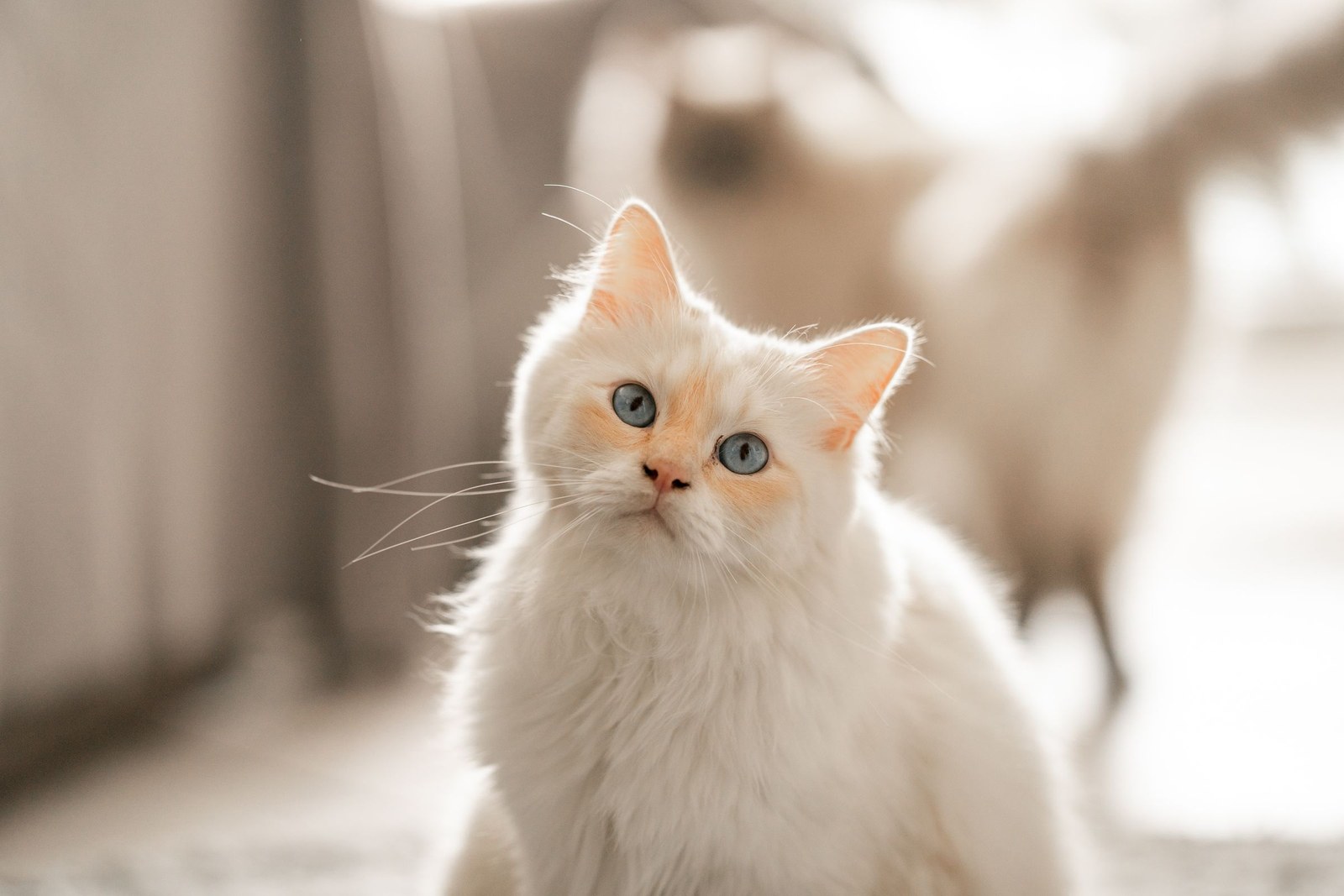
A good rule for most cats is to keep treats to about 10 percent of their daily calories — for a typical indoor cat, that often means just a handful of small treats, roughly 20 to 30 treat calories a day. Treats count as part of the day's food, not as extras on top of full meals.
Why such a small allowance?
Cats are small animals with small budgets. An average indoor cat might need only around 200 to 250 calories a day in total, so a few generous treats can quietly equal an entire extra meal. Many commercial cat treats run two calories apiece or fewer, but some chewy or filled treats pack far more — and treat "pieces" handed out by several family members across an evening can double or triple the intended amount without anyone realising.
Treat-heavy days also unbalance the diet itself. Complete cat foods are carefully formulated; a day that is 30 percent treats is a day short on the nutrients those meals were meant to deliver.
Making treats go further
You get more training and bonding value from less food with a few habits:
- Break treats down. Most soft treats tear into two or three pea-sized pieces. Your cat values the event, not the volume.
- Use part of dinner. Reserve a portion of your cat's measured kibble as "treats" for play and training — full nutrition, zero extra calories.
- Reward with play sometimes. A 30-second feather-wand burst is a genuine prize for many cats and costs no calories at all.
- Read the label. Choose treats with a stated calorie count so your 10 percent is arithmetic, not guesswork.
For training sessions, tiny and smelly beats large and crunchy — a cat who has to chew for ten seconds loses the thread of what they just did right.
Treats with a job to do
Not all extras are equal. Dental treats, hairball-control treats, and treats hiding a medication all draw from the same daily budget, so count them too. If your cat is on a weight-loss plan, ask your veterinarian which treats — if any — fit it; some cats on strict diets do better with rewards taken entirely from their measured food allowance.
Be cautious with human-food "treats" as well. Tiny bits of plain cooked chicken are generally fine for most cats, but rich, salty, or seasoned scraps are not, and some human foods are outright dangerous for cats. When in doubt, a purpose-made cat treat is the boring, safe answer.
The multi-human treat problem
The most common way cats exceed their treat budget is not one generous owner — it is three kind people who each stayed "within the limit." Someone treats after breakfast, someone else during afternoon play, and the cat, who is no fool, learns to run the same pleading routine on every human in the house.
Keeping the whole house honest
KinsLe Messenger, the per-pet communications hub for your cat, is a simple fix: treat notes live right in your cat's hub, so a quick "Milo's had his treats today" message stops the second and third rounds before they start. Posting the day's tally in your KinsLe Messenger thread on KinsLe lets every treat-giver see who already rewarded your cat and pause the next round.