
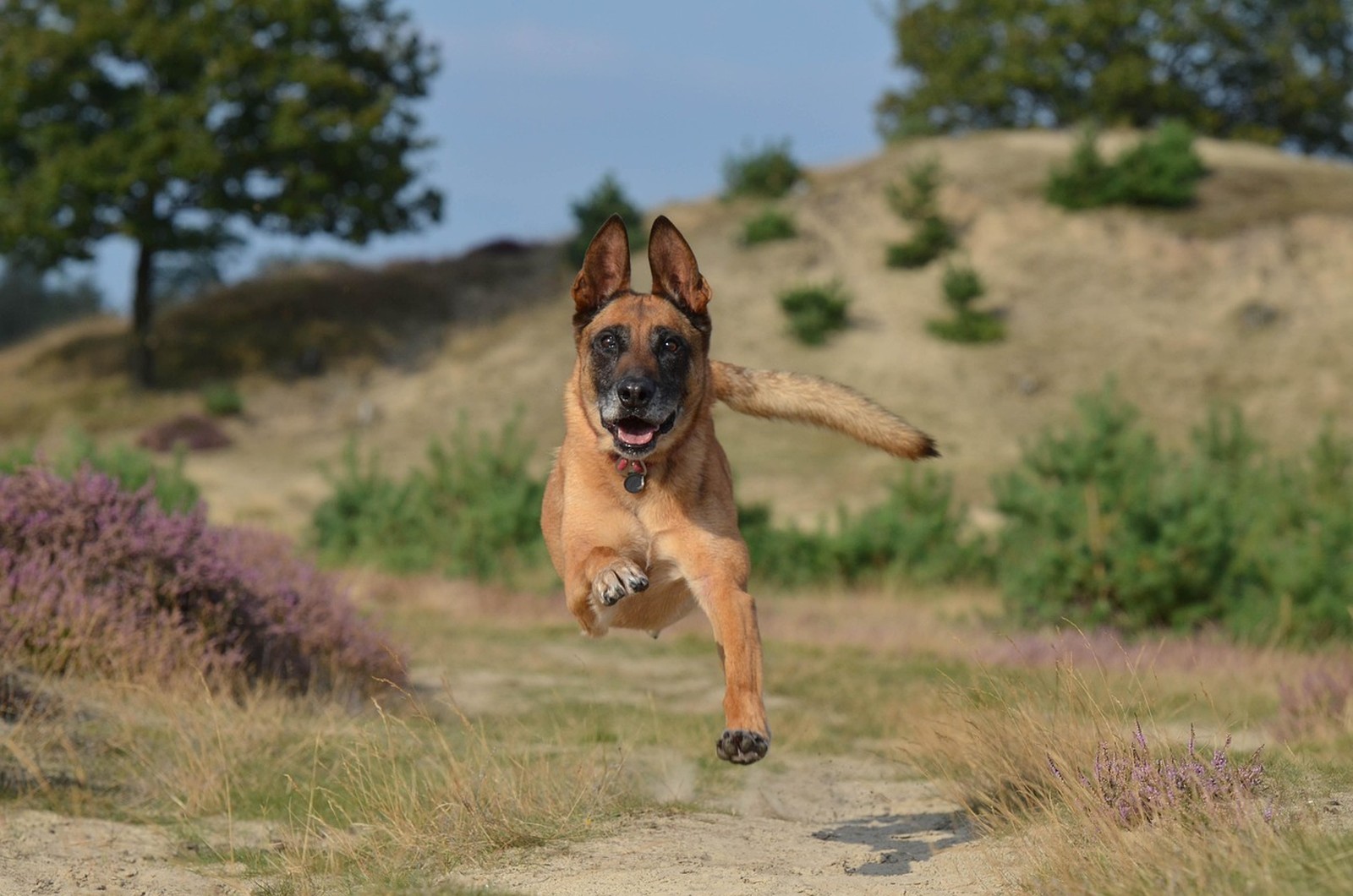
Why a Malinois Costs More Than the Average Dog
A Belgian Malinois is not an expensive dog because of one luxury item. The monthly total climbs because almost every part of keeping one well costs a little more, and several parts cannot be skipped. This is a lean, powerful, intensely driven working breed. A bored or under-trained Malinois does not simply nap through the gap in the budget. It invents its own work, and that work is usually redecorating your home, rehearsing reactivity on walks, or practising herding and guarding behaviours you never asked for.
Food is the predictable part. A Malinois is medium sized but heavily muscled and constantly in motion, so it eats like an athlete rather than a lap dog. The bigger and less predictable costs sit around training, management, and the wear this breed puts on equipment, toys, and occasionally your property.
The Training Bill That Never Really Ends
For most pet dogs, a puppy course is a one-off. For a Malinois, training is a monthly habit for the life of the dog. Expect to keep paying for some mix of group classes, club sessions, structured sport, or one-to-one help with a trainer who genuinely knows the breed. Malinois learn at speed, which is wonderful when a professional is shaping that learning and expensive when an inexperienced owner is accidentally reinforcing the wrong lesson every day.
There is also the time cost, which becomes a money cost. This breed needs long daily exercise combined with mental work, so owners who work away from home often pay for a walker or day care on weekdays, and a generic service is not always enough. A handler who understands a driven, mouthy, environmentally alert dog is worth budgeting for from the start.
Everyday Running Costs for This Breed
Beyond training, plan for heavy-duty enrichment that survives strong jaws, leads and harnesses that take real strain, and replacement of chewed household items during the long adolescent phase. Grooming is one of the few savings: the short coat needs brushing during shedding rather than salon visits, though you will go through more lint rollers than most owners.
Veterinary costs follow the active lifestyle. A dog that trains, jumps, turns at speed, and throws itself into everything has more exposure to sprains, torn nails, cut pads, and strained muscles than a sedentary breed. Routine preventive care still applies, and a sensible monthly plan sets something aside for the unexpected visit rather than assuming a quiet year.
Insurance or a savings buffer matters more here than with calmer breeds, precisely because the incidents are unpredictable rather than rare.
How Smart Owners Keep the Total Manageable
The owners who control Malinois costs best spend early on the right foundation trainer, then maintain skills in a club or group setting instead of paying for crisis help later. They build free work into the day, using searches, scent games, and structured play in the garden or on walks, so not every outlet has to be a paid session. They also buy fewer, tougher toys instead of a stream of soft ones that last minutes.
What does not work is cutting the exercise and training lines to save money. With this breed that saving is borrowed, and it is repaid in damaged homes, difficult walks, and behaviour support that costs far more than prevention did.
Before you commit, price the training and weekday cover in your own area honestly, because those two lines, more than food, decide whether a Malinois fits your monthly budget, and that homework is far easier with KinsLe's Pet Services Directory, which puts nearby breed-savvy help within reach before you sign up for the dog.