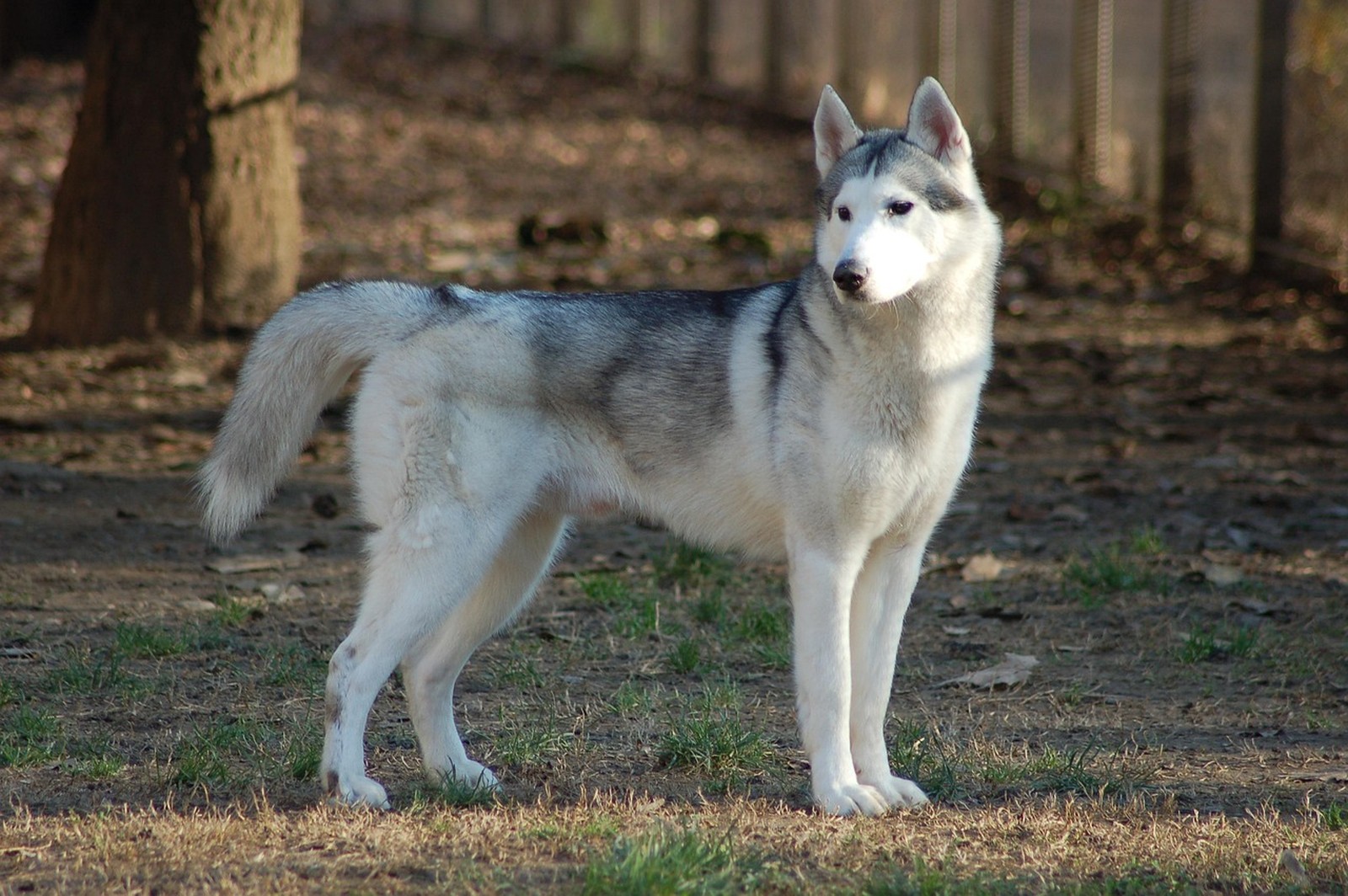
The Husky month: energy is the currency
A Siberian Husky sits in the moderate-to-high band for monthly costs, and the logic is unlike most breeds: the food bowl is not the problem, the calendar is. Huskies were bred to pull loads across frozen distance all day, and that engine still expects work in a suburban semi. Owners pay for this breed in exercise, their own time or other people's, in containment strong enough for a determined roamer, and in managing a coat that periodically fills the house. A Husky kept cheaply by skipping those things does not stay cheap; the breed simply invoices through escapes, destruction and emergency callouts instead.
Food: surprisingly efficient, still substantial
New owners expect a sled dog's appetite and meet something thriftier: Huskies are famously efficient converters, bred to work hard on modest rations, so the monthly food bill for a medium-sized adult is often lower than a Labrador's or a Setter's. It is still a real cost, because an active Husky needs quality fuel, working and winter months increase intake, and treats for training a famously independent dog get used in motivating quantities. Weight can creep on in pet homes where the exercise promise quietly shrinks while the bowl stays the same, so measured feeding and honest activity tracking keep both the dog and the budget in condition.
Exercise, day care and the destruction alternative
Exercise is this breed's utility bill. A Husky needs long, genuinely tiring daily activity: running, hiking, canicross-style outings, pulling games and training that occupies a bright, mischievous mind. Owners with the time pay mostly in gear and shoe leather, but many households realistically budget paid help, and Husky-suitable help means fit walkers, secure day care and handlers unshockable by volume, enthusiasm and escape artistry. The comparison every owner should make is with the alternative: an under-exercised Husky digs under fences, dismantles doors and redesigns gardens, and those repairs, plus the risk of a roaming dog collected miles away or worse, cost more than prevention ever does.
Coat fallout and containment costs
The Husky coat sheds moderately all year and then, typically twice a year, blows out in drifts of undercoat that owners describe in weather terms. Professional grooming is rarely needed for the coat itself, which should not be clipped, so the spend lands at home: serious brushes, bathing after mud seasons, vacuum strain and grooming appointments mainly for owners who prefer to outsource the blowout weeks. Containment is the other structural cost: tall, dig-proofed fencing, secure gates, a harness and lead arrangement the dog cannot back out of, and boarding limited to facilities whose fences and staff have passed Husky inspection, which usually means experienced, slightly pricier options.
Routine health and finding the right help
Veterinary basics follow the medium-dog pattern of check-ups, vaccinations, parasite prevention and dental care, with breed conversations often covering eyes and hips, and the working lifestyle adding the usual athlete's buffer for strains, cut pads and the occasional swallowed adventure. Because so many Husky costs flow through other people's services, walker, day care, boarding, grooming during coat season, choosing them well is the owner's chief financial skill, and KinsLe's Pet Services Directory helps by connecting Husky owners with trusted local businesses that know what this breed actually requires.