
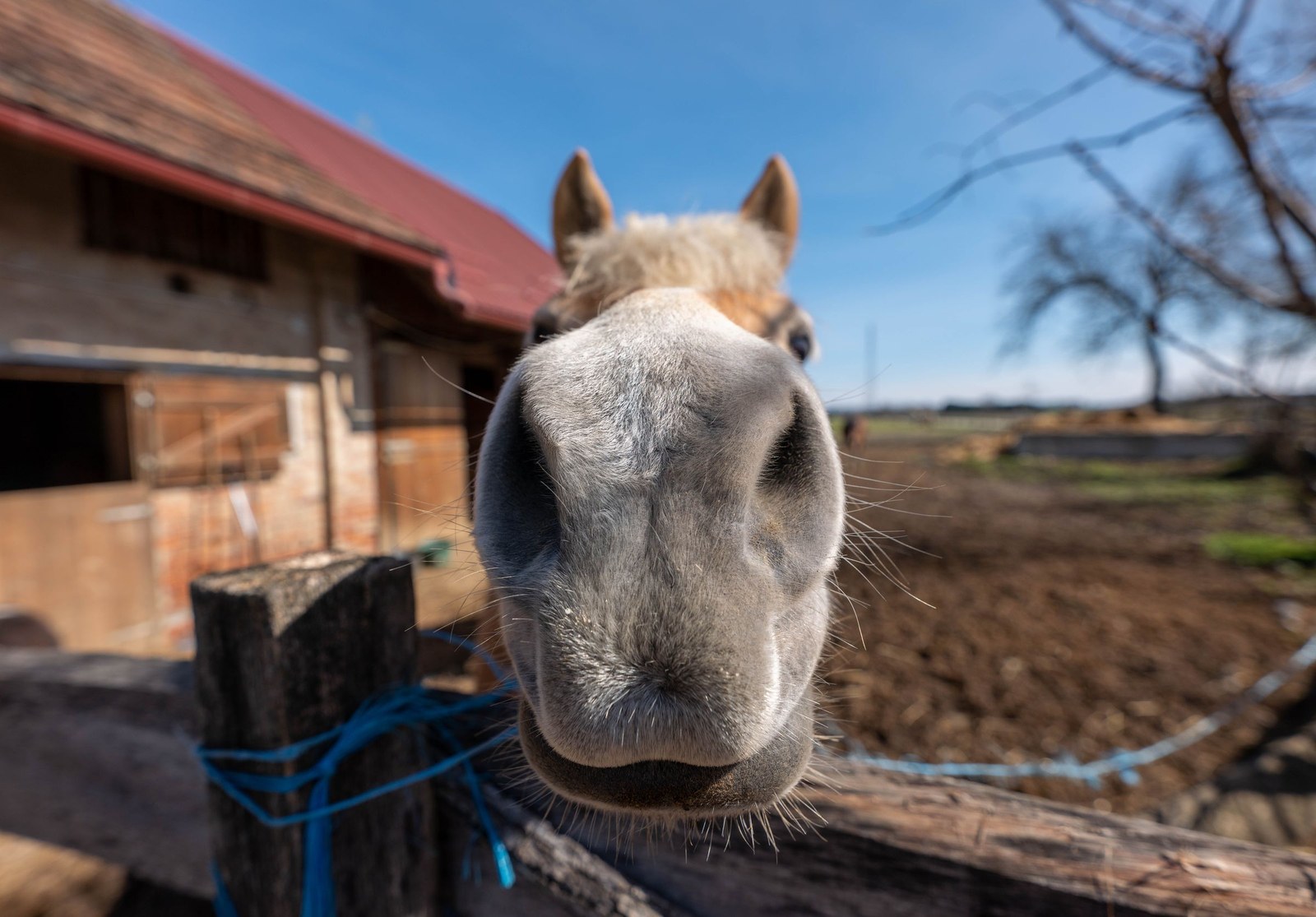
An average 1,000-pound horse drinks roughly 5 to 15 gallons of water a day — and that range swings wide. Hot weather, hard work, dry hay diets, and lactation all push intake up, sometimes dramatically. The real rule is simpler than the number: fresh, clean, unfrozen water available at all times, and attention paid when drinking habits change.
What drives a horse's thirst
A horse eating dry hay needs more water than one on lush pasture, because fresh grass is mostly water and hay is not. Sweat is the other big variable — a horse in heavy work on a hot day can lose gallons through sweat alone and will drink to replace it. Cold weather brings a counterintuitive risk: horses drink less when water is icy, and reduced intake plus dry hay is a classic setup for impaction colic in winter. Tank heaters or insulated buckets are cheap insurance.
Reading the water bucket like a health gauge
You should roughly know your horse's normal intake, because a sudden drop is one of the earliest warning signs something is wrong. A horse that normally drains half a trough and suddenly barely sips may be dealing with illness, dental pain, or water that tastes off — a new trough, algae bloom, or unfamiliar water at a show can all put a horse off drinking. Manure tells the story too: dry, hard balls suggest the horse is not taking in enough water for his fiber load. When traveling, many owners bring water from home or flavor it lightly with something familiar to encourage drinking in strange places.
Keeping water clean and available
Scrub troughs and buckets regularly — slimy biofilm builds up fast in summer and discourages drinking. Automatic waterers are convenient but need checking: a stuck float or frozen line can leave a horse dry for a day before anyone notices. In winter, break ice at least twice daily or use heaters, and position water where horses actually go — a trough at the far end of a big pasture may as well not exist for a lazy drinker.
Safety notes
Never let a hot, heavily sweating horse gulp unlimited ice-cold water immediately after hard work; let him cool down first and offer water in reasonable amounts. Dehydration signs — skin that stays tented when pinched, dry gums, sunken eyes, lethargy — warrant a prompt call to your veterinarian. And a horse that has gone without water should be reintroduced to it gradually, not turned loose on a full trough.
The whole team watches the water
Water checks are a team job on any farm, and missed buckets are how trouble starts. KinsLe Messenger is the per-pet communications hub for your horse — anyone on the care team can flag a low bucket, a frozen trough, or a horse that is not drinking right in the horse's own thread, instantly visible to everyone. A dry trough noticed at evening check belongs in the KinsLe Messenger hub on KinsLe, where the whole barn team sees the note tied to that horse's own page.