
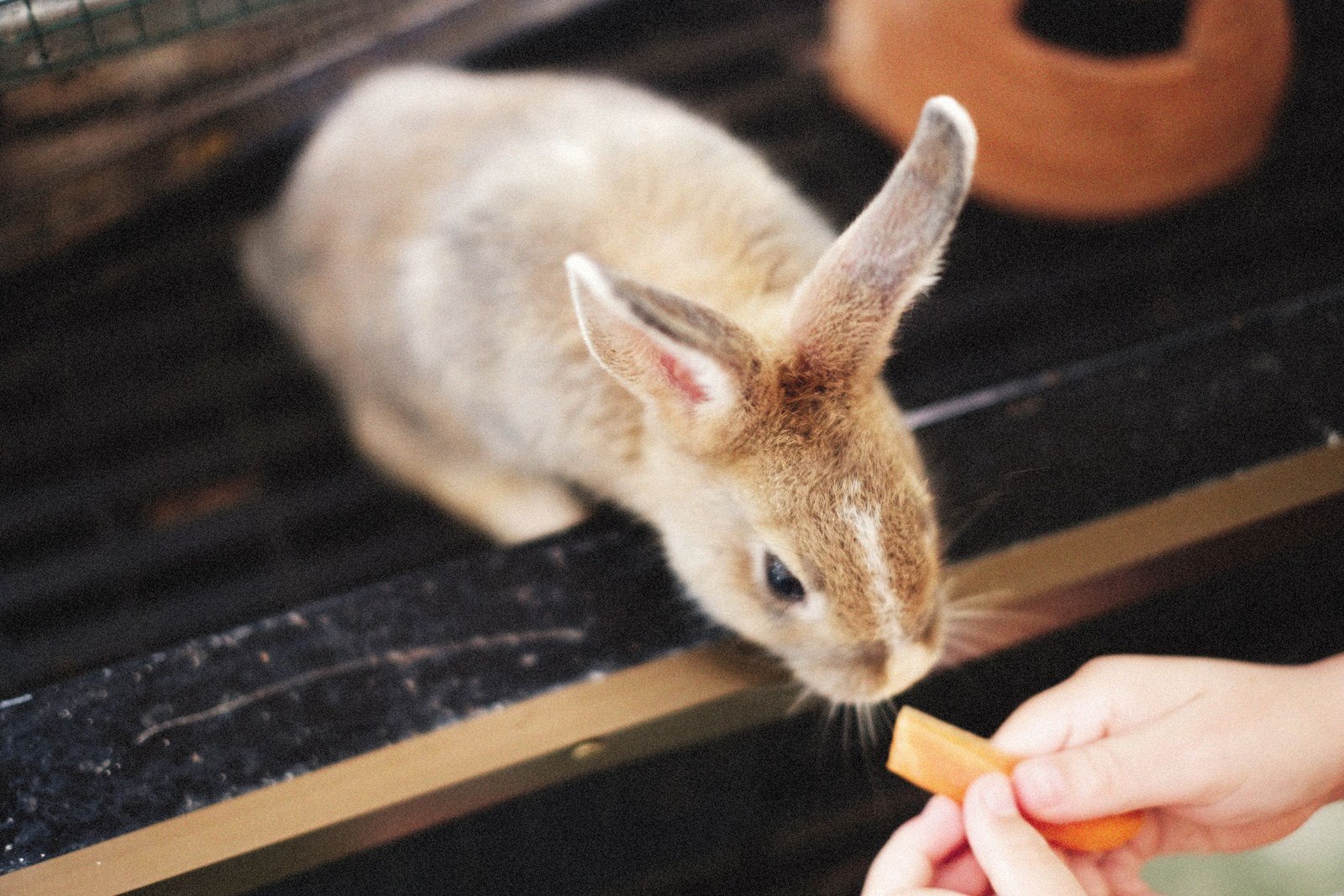
Fruit is dessert for rabbits, so keep it occasional and small: a teaspoon or two, a few times a week at most, is plenty for an average adult rabbit. A thin slice of apple with the seeds removed, a couple of blueberries, or one small strawberry makes a complete treat — not a side dish.
Why fruit needs strict limits
Rabbits evolved on grasses and leafy plants, not orchards. Fruit sugars feed the gut bacteria you least want to encourage, and a rabbit that fills up on sweet foods eats less of the hay its teeth and digestion depend on. The results of over-treating are predictable: soft droppings, a messy bottom that attracts flies in warm weather, gradual weight gain, and a pickier rabbit who holds out for dessert. Small, scheduled portions keep fruit in its proper place — a highlight, not a habit — and keep your rabbit's enthusiasm for it genuine.
The best fruits and how to serve them
Safe favorites in tiny portions include apple (never the seeds or core), blueberries, strawberries including a little of the leafy top, banana in a coin-thin slice, pear, melon, and the occasional raspberry or blackberry. Wash fruit well, remove seeds, pips, and stones, and cut pieces to a size your rabbit can manage without gulping. Dried fruit is far more concentrated in sugar than fresh, so if you use it at all, a single small piece replaces the whole portion. When introducing any new fruit, start with one tiny piece and check the next day's droppings before offering it again.
Better everyday rewards
For daily training and bonding, reach for rewards that align with the rabbit diet instead: a sprig of fresh herbs like cilantro, mint, or basil, a dandelion leaf from a pesticide-free source, a small piece of a favorite green, or a hay-based treat or compressed hay cube. Many rabbits will work just as happily for a special herb as for fruit, and these rewards can be given without denting the day's sugar budget. Reserve fruit for genuine occasions — a nail-trim success, a vet-visit homecoming — and it keeps its magic.
Watching weight and droppings
Treats are where rabbit diets quietly expand, so keep an eye on the whole picture. You should be able to feel your rabbit's ribs under a smooth layer, not buried or sharply prominent. Weigh monthly if you can, and treat persistent soft droppings or a shrinking hay appetite as a signal to cut treats back first and check in with your vet if things do not settle. Rabbits with dental disease, obesity, or gut sensitivities may need fruit restricted further or paused entirely on veterinary advice.
Logging treat days so nobody doubles up
The most common way fruit limits get broken is not generosity — it is duplication, when two family members each offer the day's treat in good faith. KinsLe's Care Teams let you log treat days with a timestamp, alongside the feeding and care duties you assign, so the whole family can see that Tuesday's blueberries already happened. That one shared record protects the limit you set without turning treats into a household argument. Fruit stays occasional because the Care Teams list on KinsLe shows each treat day as a completed, time-stamped entry, so a second helper can check before offering another blueberry.