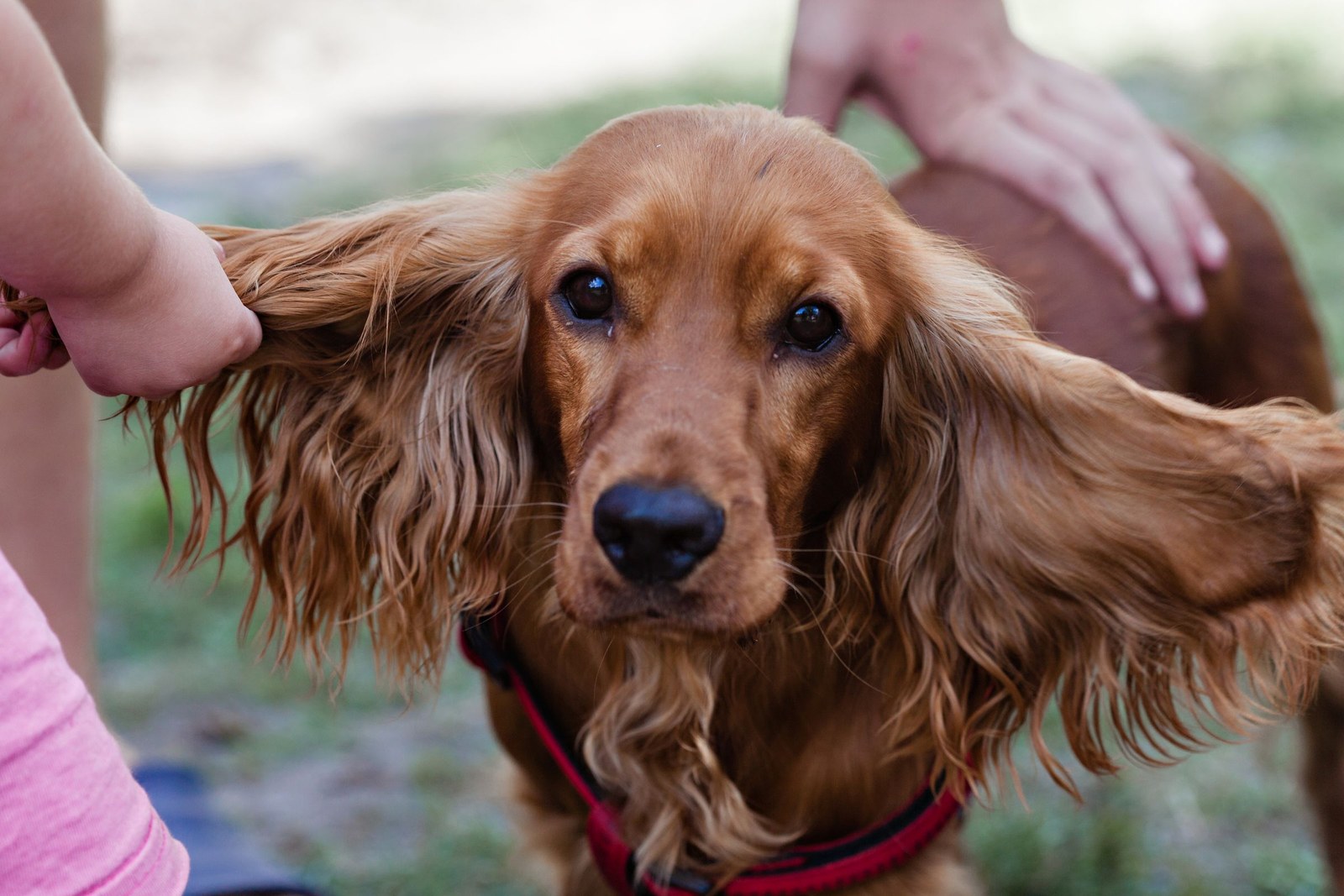
Floppy-eared dogs need their ears checked once a week, every week — the drooping flap traps warmth and moisture that can encourage yeast and bacteria, and a quick look and sniff takes less than a minute.
Why Floppy Ears Need More Attention
Breeds such as Cocker Spaniels, Basset Hounds, Labrador Retrievers, Bloodhounds, and Beagles have ear canals covered by heavy flaps. Air circulates poorly, water from baths and swimming lingers, and the warm, dark canal becomes a comfortable place for irritation to start. Dogs with allergies or those who swim often may need checks even more frequently, especially after getting wet.
Straight-eared dogs are not immune to ear trouble, but floppy-eared breeds simply start with less ventilation, so small problems are more likely to grow quietly until your dog is shaking their head or scratching in discomfort.
What a Weekly Check Looks Like
Pick a calm moment, offer a treat, and lift each flap in good light. A healthy ear is pale pink inside, mostly clean, and has little to no odor. A small amount of light-colored wax can be normal. You are looking for changes from your dog's usual baseline, not perfection.
Signs that mean it is time to call your veterinarian include:
- Redness, swelling, or dark brown or yellow discharge
- A sweet, musty, or strong unpleasant smell
- Frequent head shaking, ear scratching, or pain when the ear is touched
- Brown specks, crusting, or your dog tilting their head to one side
Check after baths and swims too. Gently dry the outer ear with a soft cloth or cotton ball, and never push anything deep into the canal. Spaniels who love water and hounds who spend long days outdoors in damp grass deserve an extra midweek glance, because moisture plus warmth is exactly the combination that lets a minor irritation turn into a sore, smelly ear before the weekend check arrives.
Safe Cleaning Habits
Only clean your dog's ears with a veterinarian-recommended ear cleaner and only as often as your vet advises. Over-cleaning can irritate the canal, and home remedies such as alcohol, hydrogen peroxide, or vinegar mixtures can sting and worsen inflamed ears. Never insert cotton swabs into the canal — you can pack debris deeper and injure delicate structures.
Lift the flap, fill the canal as directed on the approved product, massage the base gently, let your dog shake, then wipe what comes out from the outer ear. If your dog resists strongly, yelps, or the ear smells bad, stop and seek veterinary care instead of forcing a cleaning at home.
When a Check Raises a Question for Kimmy
Plenty of checks end with a maybe: the canal looks pinker than last week but there is no smell, or a spaniel shakes its head twice after a swim and then settles. Guessing wastes the worry. In KinsLe you can put that maybe to Kimmy while it is fresh — color, odor, what changed — and get a grounded answer on whether to watch, dry the ear gently, or book the vet now. Inside KinsLe, Kimmy takes further questions on weekly ear checks for spaniels, hounds, and other floppy-eared breeds, with replies taken from KinsLe Answers entries.