
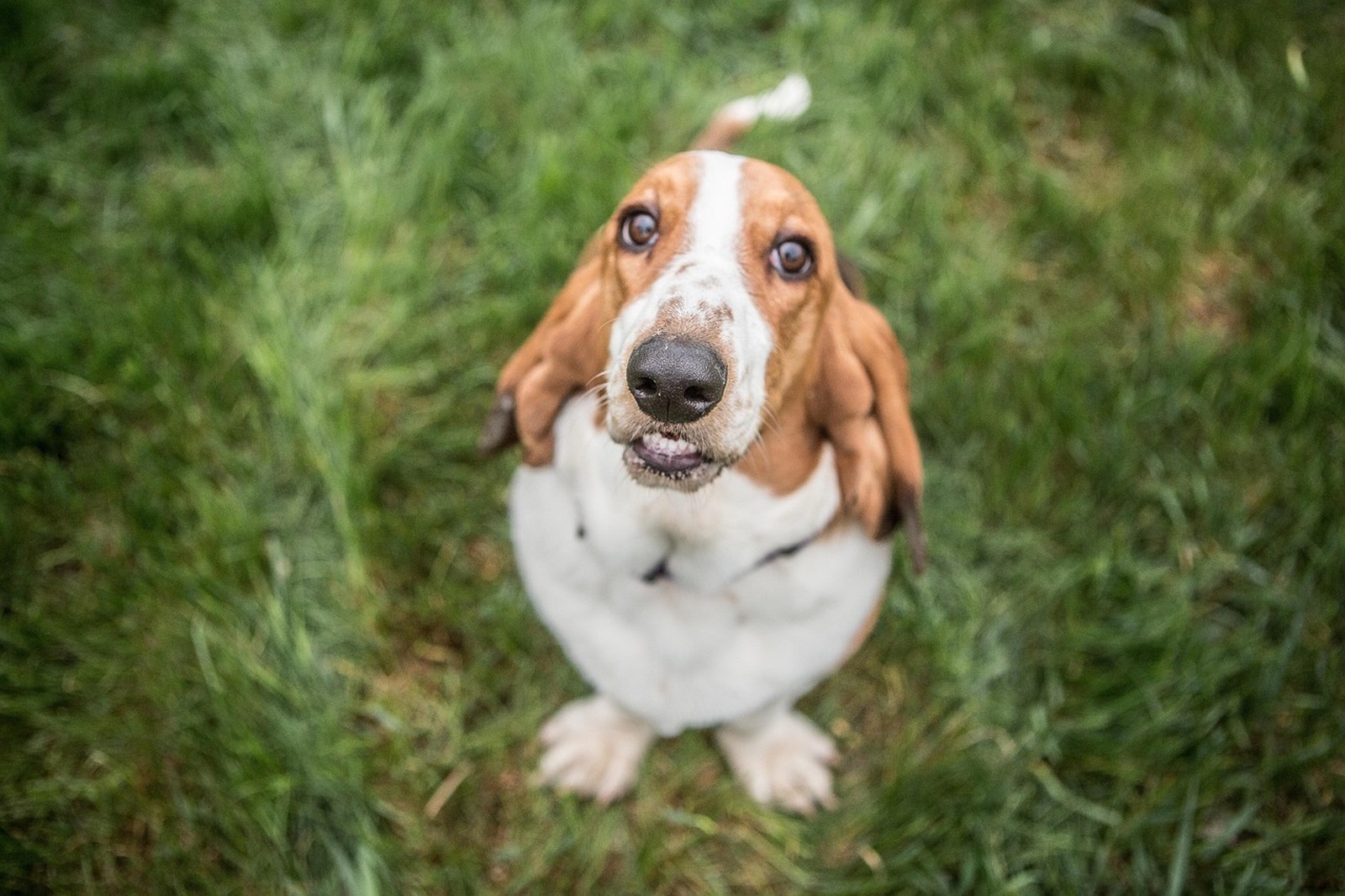
Once a year for a healthy adult — and why that visit earns its keep
A healthy adult Basset Hound should have a routine veterinary checkup at least once a year, typically combined with any boosters that are due. It is tempting to skip years when a Basset seems his usual placid self, but this breed hides its common problems in places owners cannot easily assess: down a long ear canal, under a heavy body on short legs, and along a spine built longer than most. The annual visit is where small, cheap-to-address findings — early ear disease, a tooth quietly rotting, a few pounds creeping on — are caught before they become the expensive, painful versions.
Puppies sit outside that rhythm entirely: a young Basset needs a series of visits in the first months for vaccinations, growth checks, and weight guidance, because overfeeding a growing Basset loads developing joints and that long back. At the other end of life, many vets move senior Bassets to twice-yearly checkups, often with blood work, since age-related changes in this breed can progress a long way between annual visits if nobody is measuring.
What the vet is really examining on a Basset
The ears headline the list. A Basset's long, heavy ear flaps close over the canal, limiting airflow, and the breed is prone to ear infections that begin deep where an owner cannot see. The vet will look down the canal properly — head shaking, a yeasty smell, or brown discharge at home are signs a visit should not wait for the annual slot.
Weight and body condition come next, and Bassets make this conversation nearly inevitable: they are food-driven, built low and heavy, and prone to gaining. Excess weight multiplies strain on the spine and joints, so the vet will score condition by hand under that loose skin rather than trusting the look of the dog. The back and gait get attention for the same reason — any reluctance to jump, climb stairs, yelping, or wobbliness in the hind legs in a long-backed breed is an urgent, same-day concern rather than a wait-and-see.
Eyes are checked for the breed's known vulnerabilities, including the drooping lower lids that can leave eyes exposed and sore, and for changes an owner would read as mere cloudiness. The skin folds around the neck and legs are examined for the irritation and yeast that gather in warm creases, teeth are assessed — dental disease is common and under-detected in a breed reluctant to make a fuss — and heart, lungs, and lumps under that famously loose skin complete the pass.
Between checkups, you are the monitoring system
The annual rhythm only works if changes at home trigger visits in between. Book sooner for ear odor or scratching, limping that lasts beyond a day or two, appetite changes, increased drinking, new lumps, or a Basset who stops wanting the walks he usually demands. Keep a note of when you first noticed a change; 'about a month, getting worse' is genuinely useful information to a vet deciding how hard to investigate.
It also helps to arrive at each checkup with the story since the last one — weight trend, ear flare-ups, treatments that worked — rather than reconstructing a year from memory in the consult room. KinsLe's Pet Passport keeps this Basset Hound's checkup notes, vaccinations, and results together in one record, so each routine visit builds on the last instead of starting from a blank page.