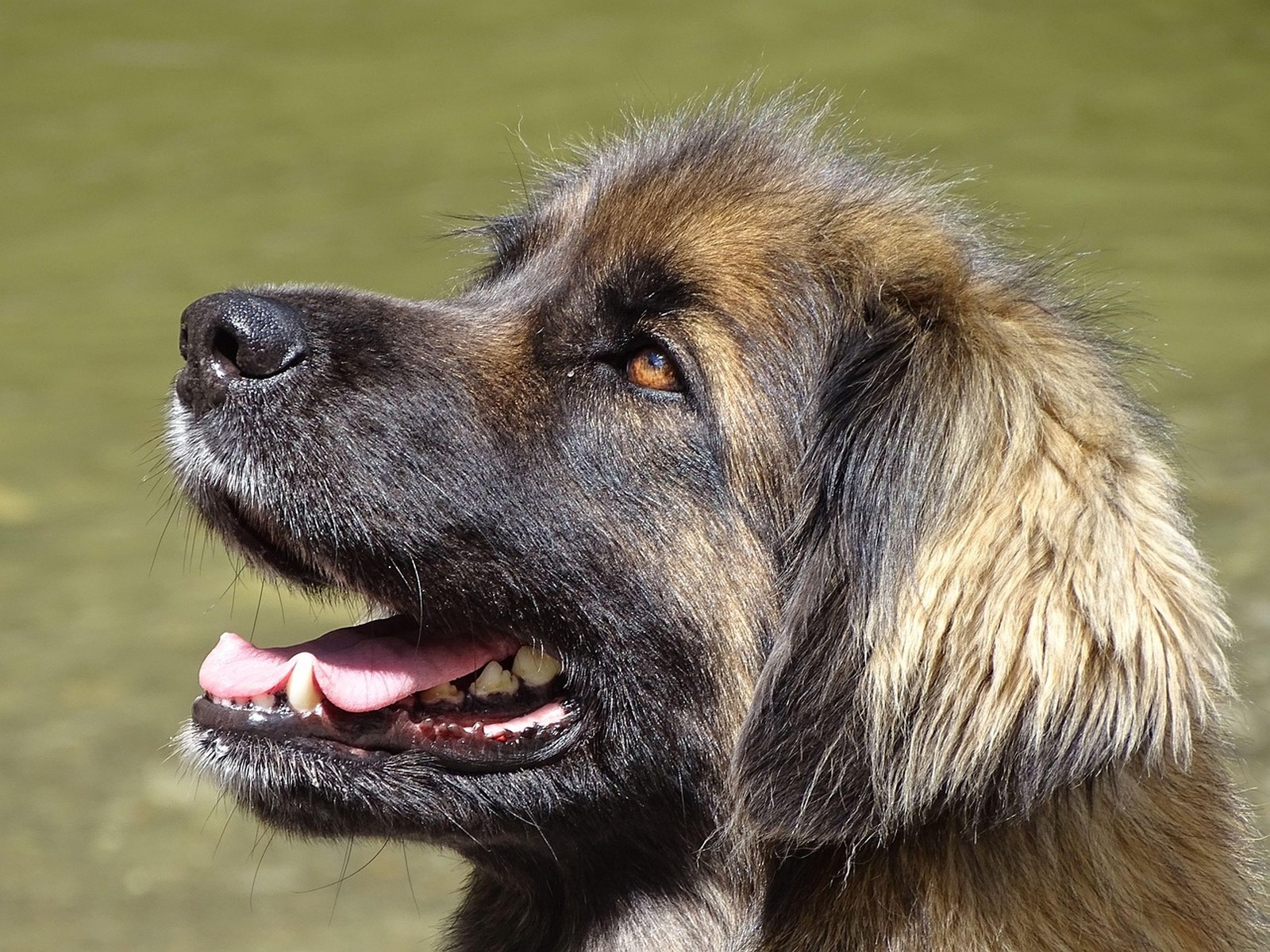
Why a Leonberger's schedule runs tighter than most
A healthy adult Leonberger should see the vet at least once a year for a full routine checkup, and that is the floor, not the ideal for every stage of life. Giant breeds compress their lifespan into fewer years, so a Leo that looks like a dog in its prime can be approaching senior physiology while a small breed the same age is barely middle-aged. Many owners and vets move a Leonberger to twice-yearly checkups from around the middle years onward, and that step-up is one of the most useful decisions you can make for this breed. Puppyhood has its own dense schedule. Leonberger puppies visit repeatedly in the first months for vaccinations, worming, and — crucially for a dog heading toward a very large adult frame — growth checks. A vet watches how the elbows, hips, and shoulders are developing, whether the puppy is gaining steadily rather than explosively, and whether the diet suits a giant-breed growth curve.
The Leonberger items a routine visit must cover
Size shapes almost every line of the Leo's examination. Joints come first: hip and elbow dysplasia are established concerns in the breed, so the vet checks gait, range of motion, and muscle condition over the hindquarters, and notices whether the dog rises evenly from a lying position. The heart gets a careful listen, because large, deep-chested breeds carry cardiac risks that can be silent at home. Neurological function is also on the Leo list — an inherited polyneuropathy seen in the breed can show first as subtle hind-end weakness, a dragging toe, or a change in the bark, and a vet who asks about those signs at routine visits catches them earlier. The stomach discussion matters too. Deep-chested giants are the classic candidates for gastric dilatation-volvulus, the twisted stomach emergency, so a routine visit is the right place to discuss feeding patterns, exercise around meals, and whether a preventive stomach tacking procedure is appropriate for your individual dog — a conversation to have calmly at a checkup, not for the first time in an emergency.
Home monitoring for a dog too big to guess about
Between visits, your job is measurement rather than impression, because a few pounds either way is invisible on a frame this size. Weigh your Leonberger at the clinic or a pet-scale whenever you can and write the number down; a steady trend matters more than any single reading. Watch how the dog gets up after a long rest, whether stairs have become a negotiation, and whether the hind paws scuff or drag on pavement. Check under the coat with your hands weekly — Leos can hide hot spots, lumps, and matted, irritated skin beneath that magnificent fur — and keep the feathering on the legs and tail combed through so you actually feel the skin. Note appetite carefully: a Leo that leaves food, eats and then seems restless and uncomfortable, or tries to vomit without bringing anything up is showing signs that warrant an immediate call, day or night.
Signs that should not wait for the next checkup
A swollen or hard abdomen, unproductive retching, drooling with obvious distress, or sudden restlessness in a Leonberger is an emergency — drive first and phone on the way. Hind-end weakness that progresses over days, a toe that is worn from dragging, repeated stumbling, or a bark that changes character should be seen promptly rather than logged for the annual visit. A lump that grows, a cough that lingers, marked increase in drinking, or a dog that stops wanting its walks all deserve an appointment within days, not months. When you do go in, arrive with the weight history, the dates of any scuffing or stumbling you noticed, and the last visit's findings. KinsLe's Pet Passport keeps a Leonberger's growth curve, heart notes, and joint assessments together in one packet, so whichever vet you see can pick up the thread of a giant dog's care without starting over.