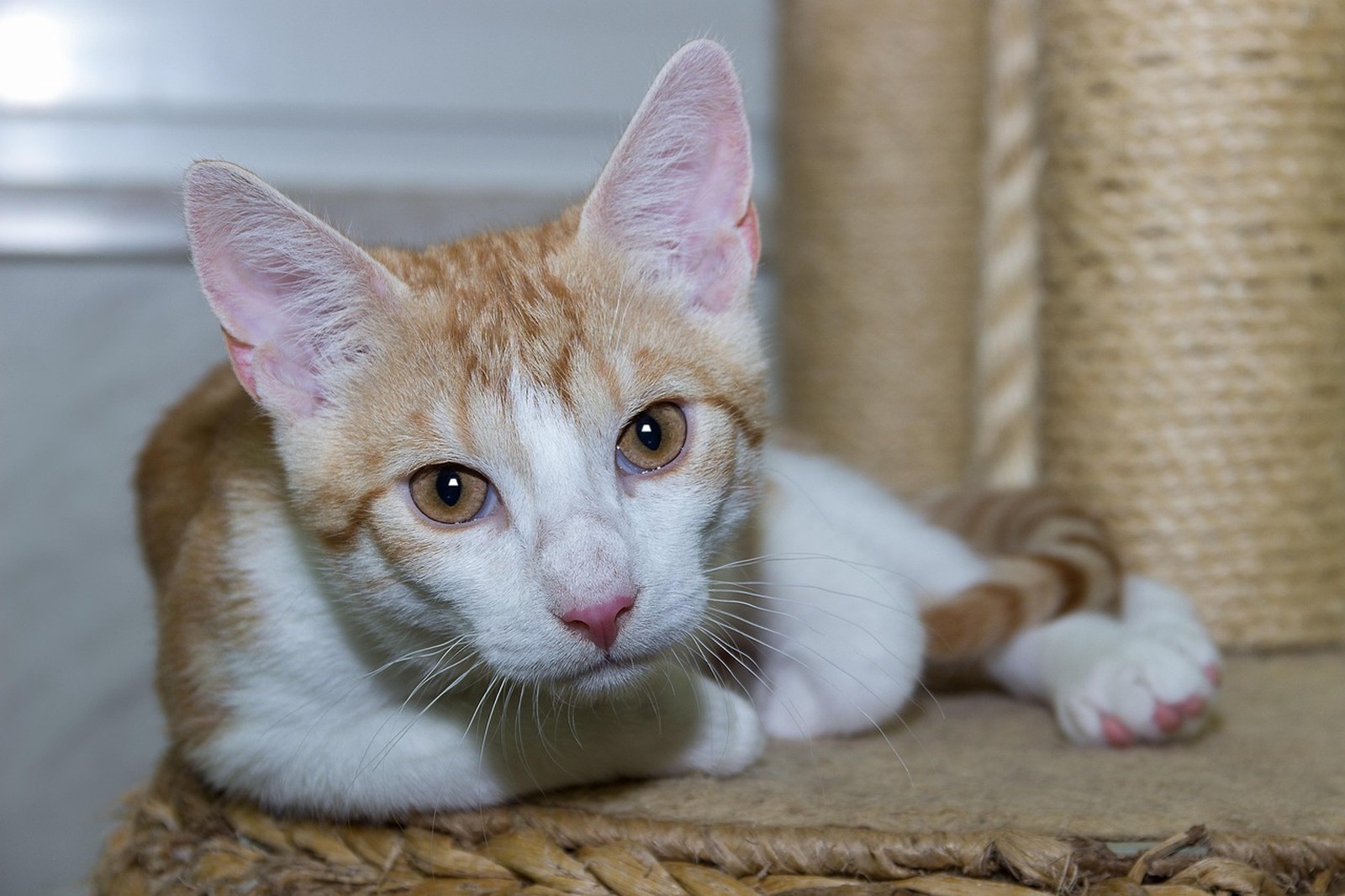
Start from the schedule, not the scenery. Even a cat who never goes outside needs a thorough examination and a vaccination review every year, and two a year once it reaches roughly ten — sooner for breeds prone to age-related problems — since feline ageing runs faster than ours and cats are skilled at hiding illness. Twelve months in a middle-aged cat's life can hold a great deal of change. Kittens, meanwhile, need a run of early appointments for their vaccination series, worming, and growth checks, and 'indoor' changes the risk list, not the need: kidney disease, thyroid problems, diabetes, dental disease, and arthritis are all common indoor-cat conditions that a checkup catches early.
What the Visit Buys You
Weight recorded and compared, teeth examined, heart and lungs listened to, abdomen felt, coat and skin reviewed, vaccination and parasite control updated, and — for seniors — blood pressure and blood or urine tests that detect the classic older-cat diseases while they are still manageable. Your observations are part of the examination: tell the vet about litter-tray changes, thirst, appetite, jumping habits, and night-time vocalising, all of which are early data. Keeping your own simple health notes between visits turns a yearly snapshot into a trend, which is far more diagnostic.
Working With Your Vet Between Visits
Your job between appointments is observation, not diagnosis. When something changes, write down the day you first noticed it and what else shifted at the same time — appetite, thirst, litter habits, energy — and take that note to the appointment. Reading like this can help you judge how urgent a change feels and what is worth tracking, but only an examination lets a veterinarian diagnose, and a dated run of notes, photos, or a short video of an episode often tells the vet more than a worried summary from memory.
Do not stretch the interval because your cat seems fine and hates the carrier — those cats are exactly the ones whose problems surface late. Book promptly, at any age, for appetite or weight change, increased thirst or urination, vomiting or litter changes that persist, reduced jumping, or behaviour change.
For an indoor cat, the log worth keeping is a dated one: weight at each visit, appetite and water intake between them, toilet habits, energy, and any symptom with the day it started. A single appointment shows a snapshot; a year of entries shows direction, and direction is what makes early disease visible while it is still manageable. Revisit that baseline whenever life shifts — a new home, a new pet, a new medication, or a new life stage all change what 'normal' looks like for a cat who stays inside.
When the appointment comes, the visit runs better if the record arrives with the cat: vaccination history, past results, and your notes in one packet rather than scattered across messages and memory. The Pet Passport in KinsLe holds that packet together for your cat — past results, vaccination dates, and your own notes in a single place, ready for the surgery, a trip, boarding, or a handover to a sitter.