
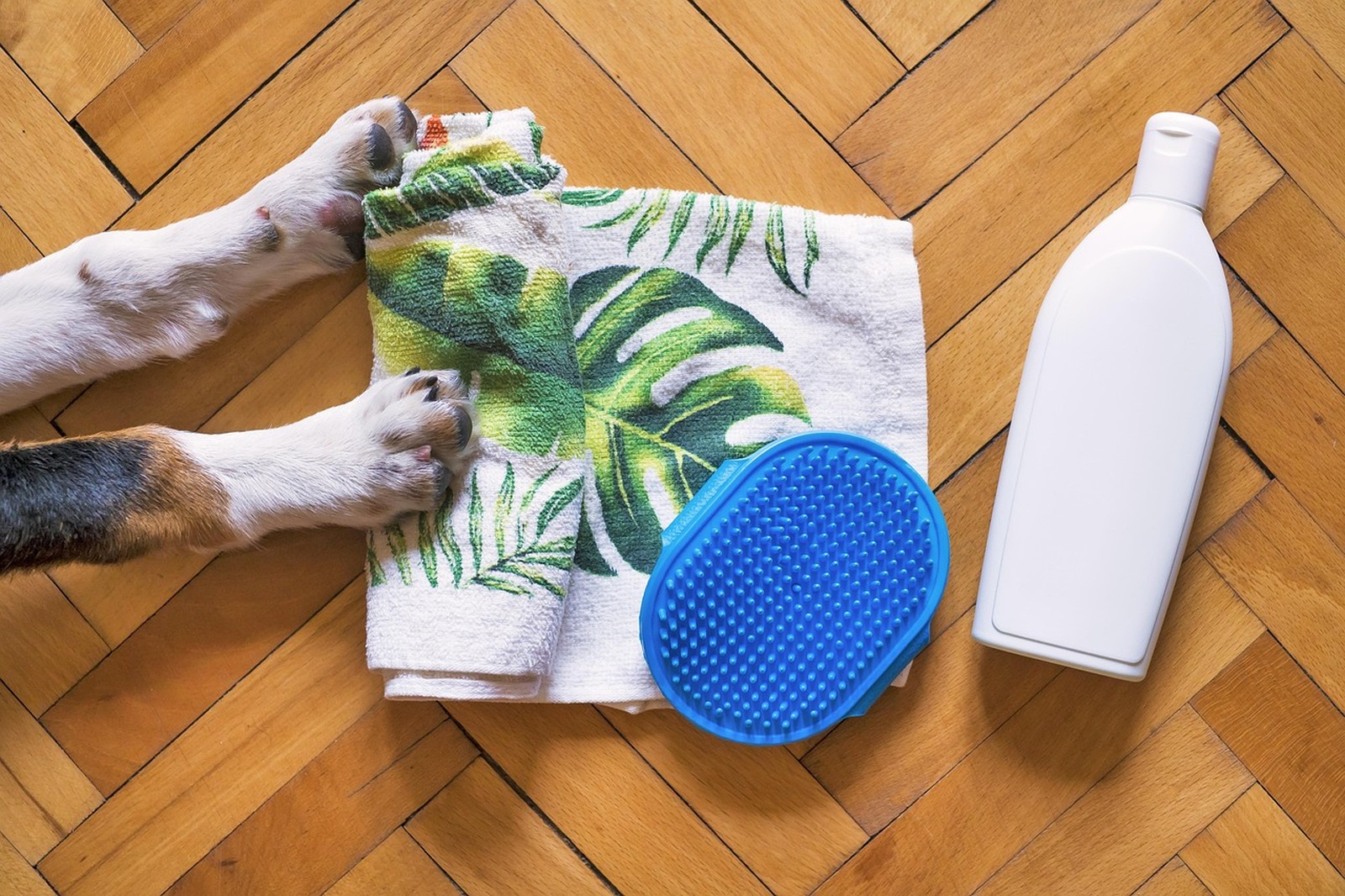
If your dog dislikes baths, the good news is that most dogs need them far less often than owners assume: every few weeks, or simply when they are genuinely dirty or smelly, is plenty for a typical healthy dog. Bathing more often than that can strip the coat's natural oils and dry out the skin — which makes the whole experience worse for a reluctant dog and can make them itchier besides. When in doubt, bathe less and brush more.
What "Often Enough" Really Looks Like
There is no universal schedule, because lifestyle matters more than the calendar. A city dog who walks on clean pavement and sleeps on your sofa might need a bath only every four to six weeks. A country dog who swims in ponds, rolls in interesting smells, and comes home muddy twice a week will need rinsing far more often — though a plain-water rinse handles mud without counting as a full shampoo bath. Puppies, hairless breeds, and dogs with oily coats (basset hounds are famously fragrant) sit at the more-frequent end. Your nose and your hands are decent guides: a coat that feels greasy or smells strong through a thorough brush-out is telling you it is time.
Why Over-Bathing Backfires
Each shampoo bath removes sebum, the natural oil that keeps skin supple and the coat weather-resistant. Bathe too often and the skin dries, flakes, and itches — and ironically, over-bathed skin can start producing more oil to compensate, making a dog smellier faster and convincing the owner to bathe even more. It is a common spiral. If your dog is getting weekly baths and still smells, the answer is usually a vet check for skin or ear issues, not another bath.
For bath-hating dogs there is a welfare angle too: turning a feared event into a weekly ordeal corrodes trust and makes every future bath harder. Spacing baths sensibly is not laziness; it is good care and good training at once.
Between-Bath Freshening That Actually Works
Most everyday dirt never requires the tub:
- Brushing removes loose hair, dust, and dried mud — dry mud brushes out of most coats beautifully.
- Paw wipes or a paw rinse after walks handle the dirtiest part of most dogs.
- A damp cloth rub-down lifts surface grime and refreshes the coat.
- Spot cleaning — one muddy leg, one grubby beard — beats a full bath for a reluctant dog.
Save full baths for genuine need, keep them short and rewarding, and most reluctant dogs learn to tolerate the occasional one far better than constant ones.
The Exception: When Your Vet Sets the Schedule
Skin conditions change the rules. Dogs with certain allergies, infections, or skin disorders are sometimes prescribed medicated baths on a specific schedule — more frequent than you'd ever choose — and in that case your veterinarian's plan wins over any general advice, including this. Follow their guidance on product and frequency, and mention if your dog finds the baths deeply stressful; there may be ways to make a prescribed routine easier to bear.
Working Out the Right Spacing, Question by Question
For a reluctant bather, the real question is rarely the calendar — it is the judgment calls in between. Can a plain-water rinse after a muddy walk stand in for this month's shampoo bath? Has a dry, flaky coat earned a longer stretch, or is greasiness a sign you waited too long? Would one more week of brushing and spot cleaning spare your dog a bath they dread? Those in-between calls — rinse or shampoo, wait a week or wash now — are the ones worth thinking through before the tub fills. For a dog who dreads the tub, put a follow-up question to KinsLe's Kinny about spacing full baths around brushing and spot cleaning; he answers using the KinsLe Answers library.