
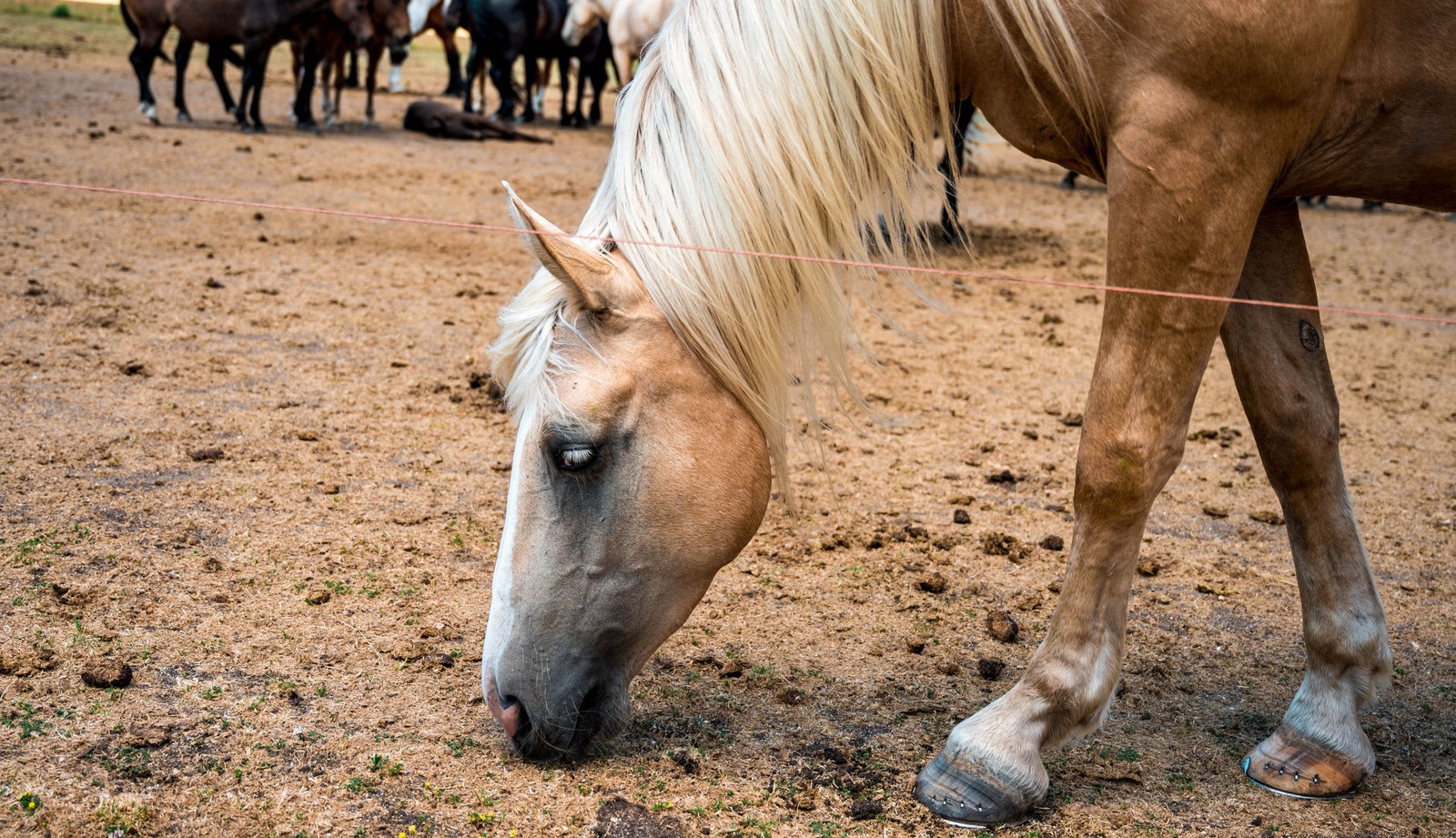
If your horse gets grain, split it into two or more small meals a day — never one big one. A horse's stomach is small relative to his size, and large concentrate meals overwhelm digestion. Two modest feedings at consistent times beat a single bucket, and three smaller ones are gentler still for horses getting larger rations.
Why meal size matters more than the clock
The equine small intestine can only process so much starch at once. When a big grain meal arrives, undigested starch escapes to the hindgut, where it ferments rapidly — producing gas, acid, and the conditions behind colic and laminitis. Keeping each grain meal modest (around four to five pounds maximum for an average-size horse, less for ponies) keeps digestion in the right part of the gut. Consistency matters too: horses are creatures of habit, and feeding at roughly the same times daily keeps the digestive system on an even rhythm.
Building a sane grain routine
Start with what the feed tag recommends for your horse's weight and workload, then adjust to the horse in front of you — the tag is a starting point, not gospel. Measure by weight with a kitchen scale or a marked scoop you have calibrated once; scoops vary wildly. Feed grain after hay, not before: a little forage first slows grain intake and buffers the stomach. Always provide water and never work a horse hard immediately after a grain meal. And any change — new feed, new amount — gets phased in over seven to ten days, swapping a little more of the new for the old each day.
Common mistakes to avoid
The biggest is the "extra scoop" creep, where every helper adds a little more because the horse "looked hungry." Another is feeding by clock instead of by horse: a horse coming back into work after winter needs his ration rebuilt gradually, not restored overnight. Weekend-warrior horses that work hard Saturday and stand around all week should not eat a full work ration every day. Match the feed to the actual workload, and recheck monthly.
Safety notes
Keep feed rooms and bins locked and horse-proof — grain overload from a break-in is a genuine emergency that can founder a horse within hours. If a horse does gorge on grain, call your veterinarian immediately rather than waiting to see how he looks. Store feed dry and sealed, discard anything moldy or rancid, and never feed moldy corn.
Hand the routine to anyone, seamlessly
Grain schedules fall apart the moment you travel, because a sitter cannot read your mind about scoops and timing. KinsLe's Care Pass is a temporary scoped link you can share with a sitter or boarder — no account or app needed on their end — so your exact feeding routine travels with the horse. For your trip away only, your regular boarder gets the Care Pass packet on KinsLe, covering just the measured grain scoops at both daily feedings, hay served before grain, and a water check at each visit.