
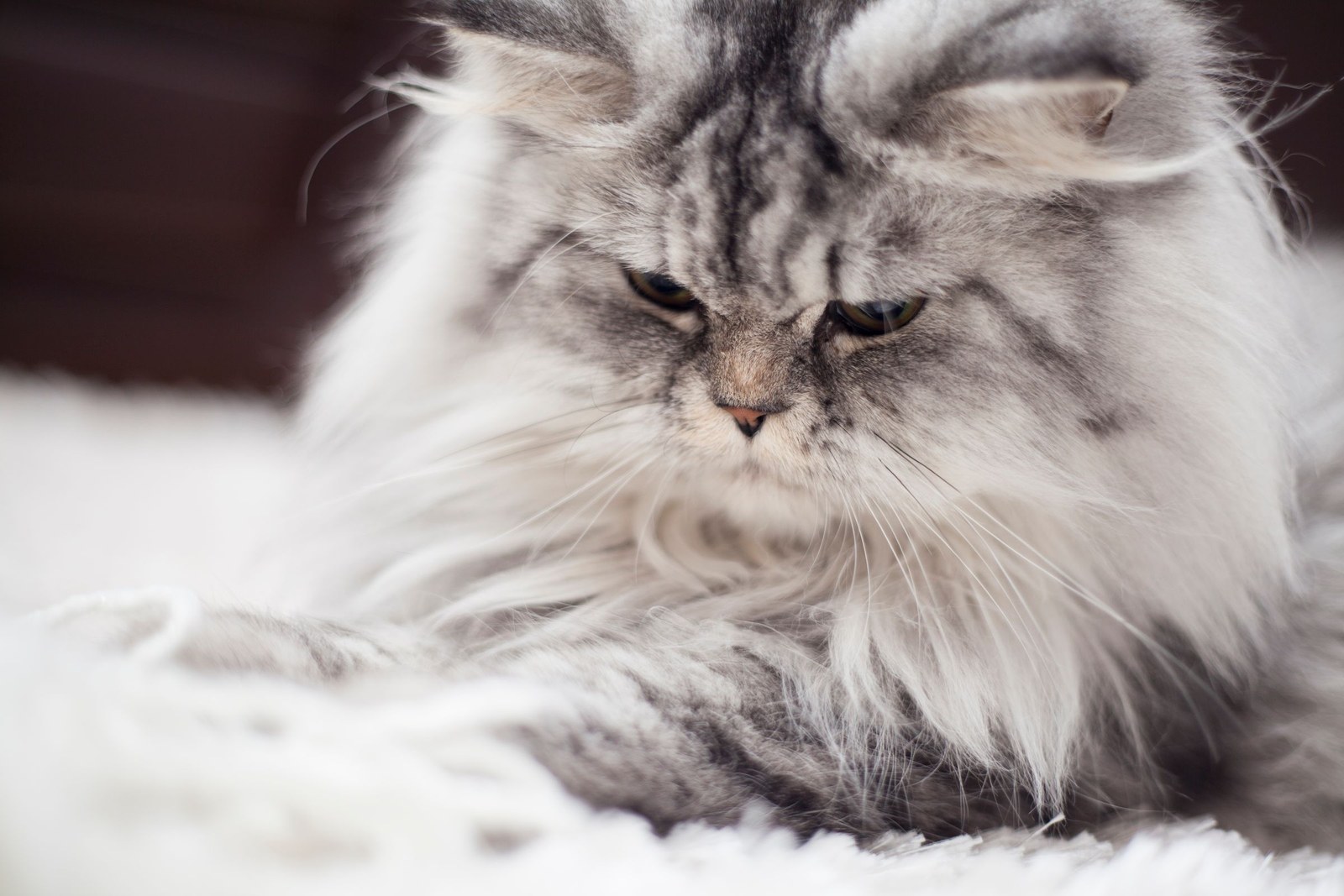
Most vets recommend a senior cat see the vet at least twice a year. Once your cat is around ten or older — earlier for some breeds and cats with known conditions — health changes can develop in months rather than years, and six-monthly checkups catch them while they are still early and far more manageable.
What 'senior' means for your cat
Cats age faster than their calm behaviour suggests. A ten-year-old cat is roughly equivalent to a person in their late fifties, and by fifteen the comparison is well into the seventies. Vets often define senior from about ten years and adjust the plan to the individual: a robust eleven-year-old indoor cat and a fifteen-year-old with a heart murmur need the same visit frequency but different depth at each visit. Ask your vet directly when they want your cat on the twice-yearly schedule — it is a conversation worth having at the visit before it becomes urgent.
What happens at a senior checkup
Expect a thorough exam plus monitoring that younger cats need less often:
- Weight and body-condition tracking, since both gain and loss matter
- Dental assessment — sore teeth quietly reduce appetite and quality of life
- Blood pressure and bloodwork to watch kidney, thyroid, liver, and blood sugar trends
- Discussion of appetite, thirst, litter habits, jumping, grooming, and sleep
None of this is box-ticking. Trended results are the point: a kidney value creeping up across three visits tells a story a single reading cannot, and early support for age-related changes is almost always gentler than late intervention.
The changes to report between visits
Twice-yearly visits only work if you flag changes in between rather than saving them up. Call sooner if your senior drinks or urinates noticeably more, loses weight despite eating, stops jumping to favourite spots, grooms less, yowls at night, hides more, or has episodes of vomiting or diarrhoea that don't settle in a day. Keep brief notes with dates — 'drinking at the bowl morning and night this week' is far more useful to your vet than 'drinking a bit more lately.'
Reducing the stress of twice the trips
Older cats often find travel harder, so make the routine kind: carrier out permanently at home, a familiar blanket, a calm and unhurried departure, and a clinic appointment at its quietest time if you can choose. Some practices offer senior-focused or cat-only sessions. If transport is genuinely distressing, tell your vet — there are handling and calming options to discuss, and skipping visits entirely is the worst outcome for an ageing cat.
Questions Between the Six-Month Visits
Twice-yearly visits set the rhythm, but most senior-cat questions surface at home, weeks before the next appointment. Your senior is at the water bowl morning and night — a call to the clinic today, or a dated note for the visit? Grooming has slipped and a mat is forming behind one ear — routine, or a sign of pain worth raising sooner? Take questions like those to Kimmy, KinsLe's built-in AI assistant, as they come up, alongside your dated home notes, and you will arrive at each checkup genuinely prepared, knowing what could not wait. When a bloodwork trend shifts or your senior stops jumping to a favorite sill, Kimmy's answers on KinsLe — replies taken from KinsLe Answers entries — can help you decide what to raise at the next checkup.