
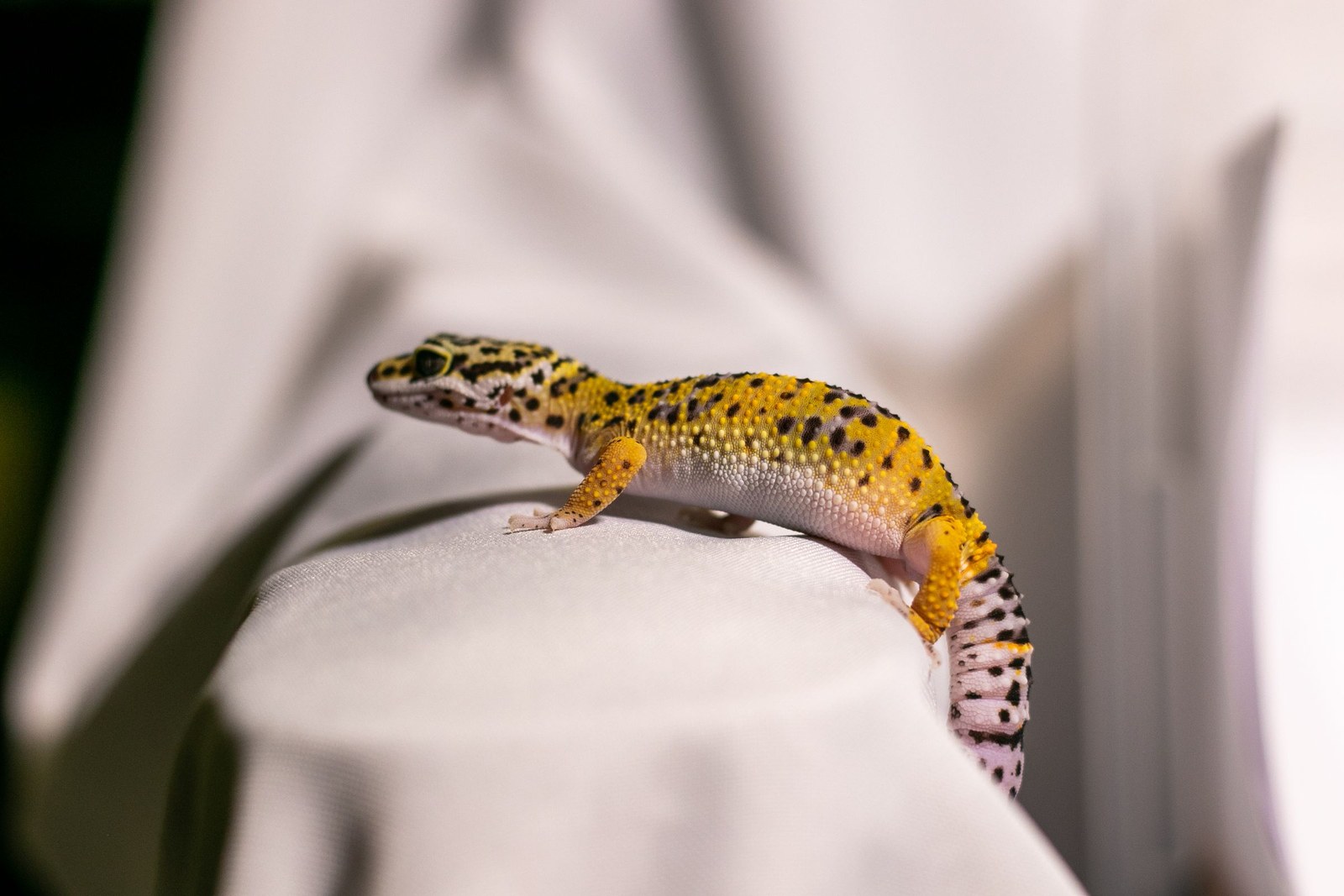
Dust your leopard gecko's insects by dropping them into a bag or cup with a pinch of calcium powder, shaking gently until they're lightly and evenly coated, and feeding them right away while the dust still clings. Think of it as a powdered-sugar coating, not a breading — a thin, even veil on every insect, served within minutes before the gecko's dinner shakes it off.
The step-by-step method
- Count out the insects for the meal — crickets, dubia roaches, or mealworms sized to the gecko's head.
- Put them in a zip bag or tall cup with a small pinch of reptile calcium powder.
- Shake or swirl gently for a few seconds until each insect looks lightly frosted.
- Offer them immediately with tongs or in a steep-sided dish so they don't scatter and lose the coating in the substrate.
- Tip out any leftover powder rather than reusing it day after day — it picks up moisture and debris.
Feeding right away matters: insects groom themselves and rub against surfaces, so a cricket dusted at six may be nearly naked by eight.
Calcium, multivitamins, and the in-tank dish
Many keepers rotate supplements across the week — plain calcium with D3 at most feedings for geckos without strong UVB, and a reptile multivitamin on one or two feedings to cover vitamin A and other nutrients. A small bottle-cap dish of plain calcium (without D3) left in the enclosure is a long-standing leopard gecko practice: geckos lick it as needed, topping themselves up between meals. Whichever rotation you choose, write it down, because "most feedings" drifts quickly when life gets busy. A reptile vet can sanity-check your rotation at a checkup.
Gut-load first for a better bite
Dusting works even better when the insect itself is nutritious. Feed your crickets and roaches leafy greens, carrot, and squash for 24 hours before offering them — the gecko then gets the insect's gut contents along with the coating. Keep feeders in a ventilated tub with fresh food and they'll stay lively, plump, and worth dusting.
Common dusting mistakes
- Caking it on. Insects buried in powder get refused; aim for lightly coated.
- Dusting hours ahead. The coating falls off long before feeding.
- One supplement forever. Calcium alone doesn't cover vitamin needs.
- Skipping dust for "treat" worms. Hornworms and other feeders benefit from a light coat too — waxworms stay an occasional treat regardless.
Pass the routine on with KinsLe
Your exact pinch, shake, and rotation is the kind of detail a sitter can't guess. That's precisely what KinsLe's Care Pass is for: a temporary, scoped link that shares your gecko's care routine — dusting included — with no account or app needed on the sitter's end. Hand your neighbor a Care Pass on KinsLe for your four-day trip away, scoped only to the dusting rotation, the gut-load menu, and the plain calcium dish inside the enclosure.