
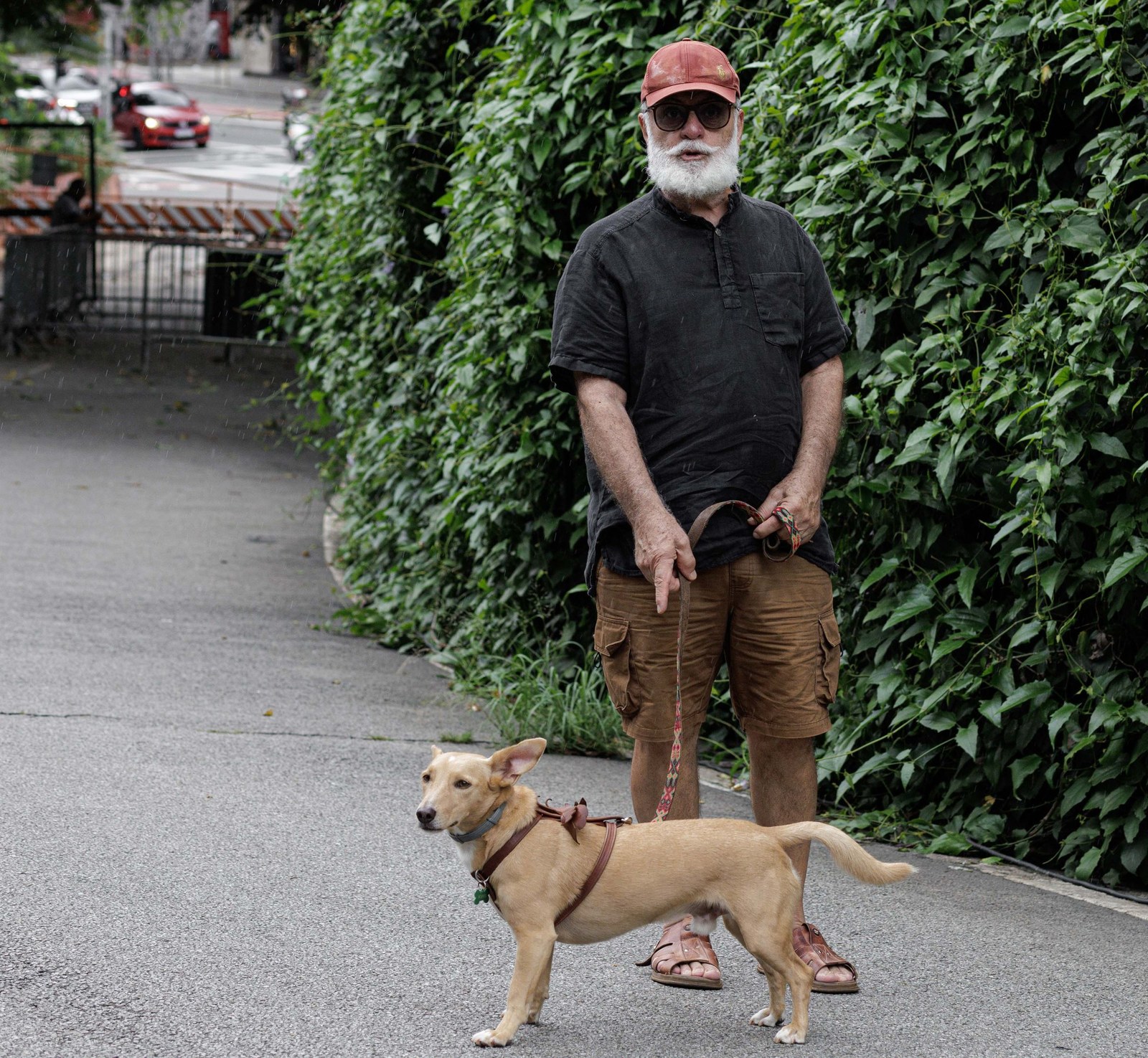
Senior dogs still need regular daily movement to protect their muscles, joints, mobility, and weight — but the right dose usually looks like shorter, slower, more frequent walks rather than one long hike. Two or three gentle outings of fifteen to twenty minutes suit most older dogs far better than a single exhausting trek, and the pace should always be the dog's: unhurried, with as many sniff breaks as they want.
Why movement matters even more with age
It is tempting to retire an older dog to the sofa, but inactivity accelerates exactly the problems owners fear. Muscles waste quickly in senior dogs, and muscle is what supports arthritic joints; a dog who stops moving becomes weaker, stiffer, and heavier, which loads the joints further in a downward spiral. Gentle, regular exercise keeps joints lubricated, maintains the strength to climb into the car and manage stairs, supports digestion and weight control, and provides the mental stimulation that keeps older minds engaged with the world. The goal is not fitness for its own sake — it is preserving the activities your dog still loves, for as long as possible.
Shape the walk to the dog you have now
Choose soft, even surfaces like grass or packed trails over concrete, gravel, and steep hills, and favor familiar, flat routes where your dog can relax instead of navigating. Let them set the pace — literally follow their speed, including the long, motionless sniffs; for a senior dog, sniffing is a major part of the outing's value. Weather matters more than it used to: older dogs regulate temperature poorly, so avoid the heat of the day in summer and icy, slippery pavements in winter, and consider a supportive coat for thin or arthritic dogs. A well-fitted harness takes pressure off a stiff neck, and for dogs with significant hind-end weakness, a support harness can make the difference between walking and not walking at all.
Little and often, in more ways than one
Beyond walks, gentle activity hides in the daily routine:
- Short garden wander-and-sniff sessions between walks
- Easy indoor games — rolling a ball a few feet, hide-and-seek with treats in one room
- A few steps of cavaletti-style walking over low, safe obstacles, if your vet approves
- Swimming or hydrotherapy, which exercises muscles without loading joints, where facilities exist
Keep each bout short, end on a good note, and build in full rest days after a bigger outing. Consistency beats intensity at this age: ten good minutes daily out-performs one heroic Sunday hike followed by two days of stiffness.
Warning signs to take seriously
Some slowness is normal aging; some signals are not. Talk to your veterinarian if stiffness, limping, or heavy panting lasts well after a walk ends, if your dog starts refusing walks they used to enjoy, bunny-hops, drags toes, struggles to rise, or pants and paces at night. Never start a new exercise push right after an injury or surgery without veterinary guidance, and raise any new lump, cough, or collapse episode promptly. Your vet can assess pain and mobility honestly — many senior dogs benefit hugely from a proper pain-management conversation, and no exercise plan compensates for untreated pain.
Keep the gentle routine shared with Care Teams
Senior routines fail when they live in one person's head: one family member takes the long route out of habit, another skips the midday stroll because they assumed someone else went. KinsLe's Care Teams let everyone in the family see and log those gentler walks — who took the morning loop, how far, and whether the evening wander happened — with timestamped completions. Your senior dog gets steady, appropriate activity from every caregiver, and nobody accidentally overworks a dog who would never complain. Assign the short morning loop, the midday stroll, and the evening wander in the Care Teams plan on KinsLe, with each walker marking a timestamped completion and the distance covered.