
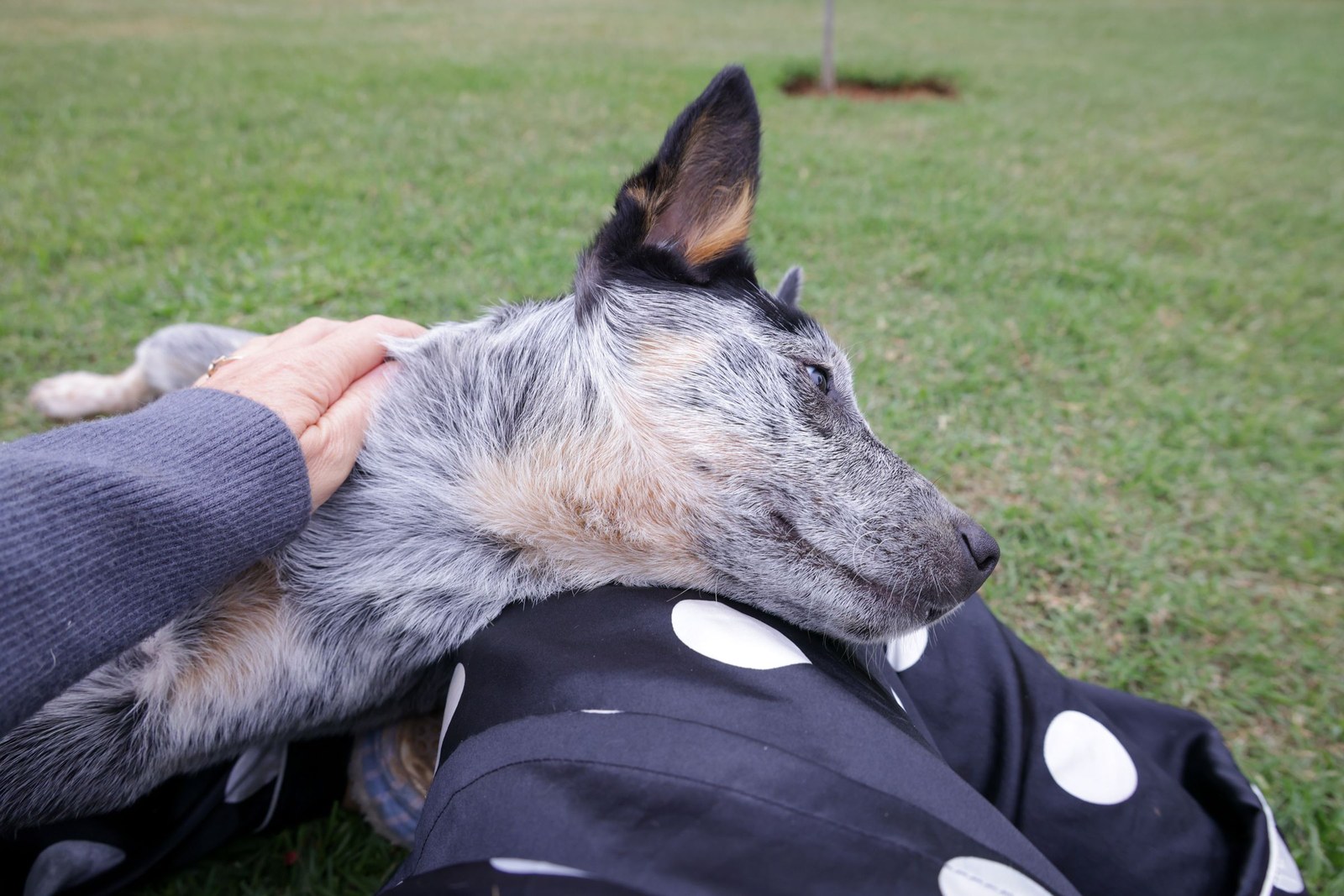
There is rarely one perfect moment to say goodbye to a senior dog, but many owners find clarity by naming in advance the things that make life good for their dog — and talking honestly with their veterinarian when several of those are gone on more days than they are present.
Name What a Good Day Looks Like for Your Dog
This is personal, because every dog's joys are specific. For one dog it is eating with enthusiasm, greeting family at the door, and settling comfortably to sleep. For another it is a short garden wander, interest in a favorite toy, and being able to toilet outside without distress. Write your dog's list down while they are still having good days, if you can. In a crisis, grief and exhaustion make it hard to remember what you decided calmly.
Then, honestly, track it. A run of days where your dog cannot get comfortable, shows little interest in food or family, or struggles with basic movement is information, not failure. One bad day after a busy weekend is different from a steady week of decline — which is why looking at the pattern, as vets often suggest, helps more than searching for a single sign.
Talk to Your Vet Earlier Than Feels Necessary
Owners often fear that raising the subject means committing to a date. It does not. An early conversation — at a senior check-up, before any crisis — lets your veterinarian explain what changes they are watching for, what comfort options remain, and what an unhurried goodbye can look like, including practical questions about home versus clinic and who can be present.
Ask directly: How will we know pain is no longer controlled? What would a bad night look like? What should we do if things change suddenly at a weekend? Having answers in advance does not make the loss smaller, but it removes panic from an already painful day. If you are unsure whether it is time, say exactly that to your vet — helping families judge quality of life is a core part of their work, and they would rather have the conversation twice than too late.
About Guilt, Timing, and "Too Early"
Almost every loving owner worries about acting too early or too late. A useful thought many vets share is that, for a dog whose good things are steadily disappearing, a peaceful goodbye a little on the early side of suffering is a kinder risk than waiting for certainty that only arrives with a crisis. Your dog will not experience the decision the way you will; they experience comfort, company, and relief. Letting them go surrounded by familiar people, before a frightening emergency, can be the last act of care in a lifetime of them.
Give family members — including children, in age-appropriate honesty — a chance to say their own goodbyes if circumstances allow.
Having the Full Picture Ready With Pet Passport
Those quality-of-life conversations go better when your veterinarian can see your dog's whole history at once. KinsLe's Pet Passport is the records packet — vaccines, medications, allergies, and documents — shareable with vets and sitters, so the diagnoses, current medications, and past responses that shape end-of-life guidance are not scattered across old emails and different clinics' portals. Keeping it current during the senior years is a quiet gift to your future self: when the hardest conversation comes, the facts are ready and you can focus on your dog. Bring the Pet Passport packet on KinsLe to that vet conversation, and the diagnoses, medication list, and past treatment responses behind your quality-of-life list are already in front of the clinician.