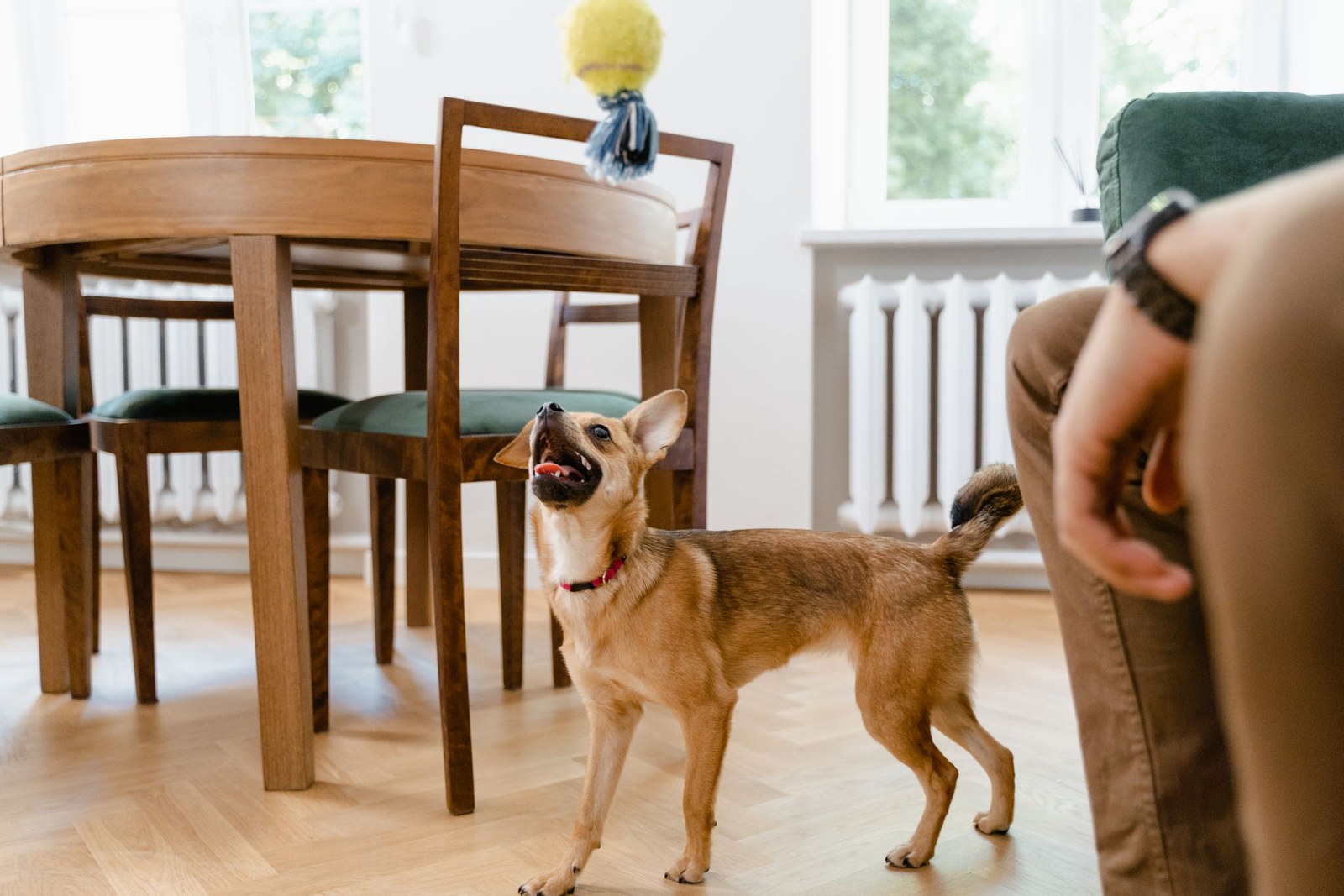
If you feel guilty leaving your dog alone all day, the most effective fix is not a marathon weekend hike — it is making ordinary weekdays better: a sniff-rich morning walk, something interesting left behind to work on, a midday break when you can arrange one, and a calm, predictable goodbye. Most dogs cope through routine and rest, and a thoughtful weekday beats a guilty, exhausting Saturday every time.
Reframe What a Good Weekday Looks Like
Dogs sleep a great deal — far more than we do — and a healthy adult dog who has had exercise, a toilet break, and mental stimulation will often spend much of your workday napping. Guilt tends to picture your dog staring at the door for eight hours. A camera check surprises many owners: after the first half hour, most settled dogs curl up and sleep in rotating sunbeams.
That does not mean any length of day is fine, and boredom is real. The goal is a weekday with texture: movement and sniffing in the morning, a puzzle or chew to work on, quiet rest in the middle, and engaged time together in the evening. If your dog is destructive or distressed, that is a different problem — revisit how long they are alone and talk to your veterinarian — but for the average dog, structure is the answer, not self-punishment.
Build the Morning and the Leave-Behind
Give the morning walk a job. Instead of marching the same block at speed, take a decompression route where your dog can sniff freely on a longer lead where it is safe. Twenty unhurried, sniffy minutes tire many dogs more than forty minutes of pavement pounding, because using the nose is mental work.
As you leave, swap the emotional farewell for a boring ritual: shoes, keys, a set phrase, out the door. Long, apologetic goodbyes teach dogs that departures are a big event. Then leave something worth staying for:
- A frozen stuffed food toy or lick mat prepared the night before
- A snuffle mat or a few treats hidden in a rolled towel
- A safe, size-appropriate chew your dog has used calmly before
- A cardboard box of scrunched paper with treats inside, if your dog enjoys shredding
Rotate these so Tuesday does not look exactly like Monday.
Add People to the Week Without Breaking the Bank
You do not need a walker five days a week to change your dog's life. One or two midday visits, a weekly daycare day for a sociable dog, or a swap with a neighbour — their dog gets your lunchtime visit on your work-from-home day, yours gets theirs — can break the week up meaningfully. Some owners shift lunch breaks, flex start times with a partner, or split duties so one person does the morning walk and another does an early-evening one, shortening the solo stretch at both ends.
Evenings count double: training games, a play session, grooming, or simply including your dog in the room while life happens. Quality attention after work is part of the weekday design, not an apology for it.
How KinsLe Keeps Weekday Plans From Slipping
Weekday plans fail in the handoffs — the frozen toy nobody froze, the midday check two people each thought the other was doing. KinsLe's Care Teams let you assign morning feeds, midday checks, enrichment prep, walks, and medication to specific people, with each duty marked complete and timestamped. A partner, flatmate, or family member can see at a glance what is done and what is still owed to the dog today.
That shared clarity turns good intentions into a routine your dog can actually rely on, and it quiets the guilt, because you can see the walk happened and the puzzle was prepped.
Care Teams turn the weekday split between partners and family members into a written roster on KinsLe, where morning walks, medication, and midday visits are assigned by name and each completion is timestamped.