
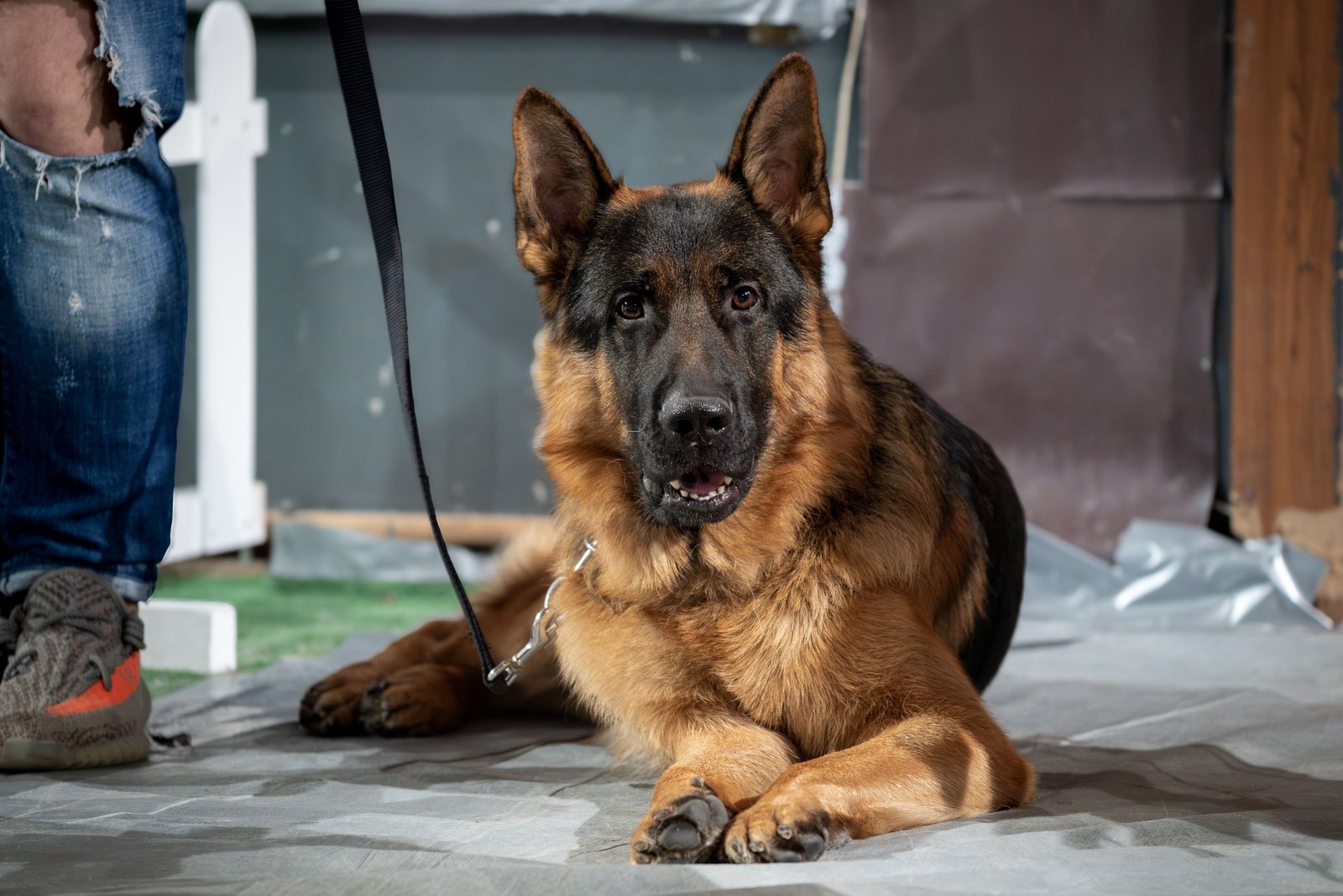
Yes, bloat in dogs is absolutely a real emergency. A dog who is pacing and restless, drooling, trying to vomit but bringing nothing up, and developing a tight, swollen belly needs emergency veterinary care immediately. This condition can become life-threatening very quickly, so do not wait to see if it settles, do not offer food or water, and do not try home remedies. Get in the car and call the emergency clinic on the way.
What bloat looks like, minute by minute
Owners often describe a dog who simply cannot get comfortable. They pace, lie down, get up again, look back at their belly, and drool more than usual. The most telling sign is unproductive retching: repeated heaving with little or nothing coming up, sometimes just foam or saliva.
The belly may look visibly rounded or feel drum-tight, though in deep-chested dogs the swelling can be harder to see. As things worsen, a dog may breathe faster, seem weak or anxious, have pale gums, or collapse. Those later signs mean the situation is critical. You do not need every sign present to act — pacing plus unproductive retching in a large dog is reason enough to go now.
Which dogs are at higher risk
Large, deep-chested breeds are at highest risk. Great Danes, Standard Poodles, German Shepherds, Boxers, Dobermans, Weimaraners, and similar builds are mentioned most often because of their chest shape. Older dogs and dogs with a close relative who has bloated may also carry higher risk.
That said, no owner should dismiss the signs because their dog is smaller or mixed-breed. Risk is about odds, not guarantees, and the emergency response is the same regardless: immediate care. If your dog belongs to a higher-risk breed, talk with your veterinarian at a routine visit about your dog's individual risk and whether any preventive options are appropriate for them. That conversation belongs in calm times, not during an episode.
Habits that may help lower risk
No routine can guarantee prevention, but sensible feeding habits are widely recommended. Feeding smaller, more frequent meals instead of one huge meal, slowing down fast eaters with a slow-feeder bowl, and keeping vigorous exercise and rough play away from mealtimes are simple steps many vets suggest.
Be cautious with raised bowls unless your veterinarian advises them for another reason, as they have been linked in some studies with increased risk for susceptible dogs. Keep mealtimes calm, especially in multi-dog homes where competition encourages gulping. None of this replaces emergency care — if the signs appear, these habits are history, and speed is the only thing that helps.
What not to do
Do not wait overnight. Do not try to pass a tube, give home remedies, press on the belly, or walk it off. Do not spend time searching videos while your dog retches. Every one of those delays costs the one resource your dog does not have.
Call ahead if you safely can, drive directly to the nearest emergency clinic — even if it is not your regular vet — and tell them you suspect bloat. That word helps the team prepare before you reach the door.
Make sure anyone with your dog knows, via their QR profile
Your dog's KinsLe profile carries a unique QR ID, and adding emergency notes and your veterinarian's details to that profile means a sitter, walker, or family member can see that pacing and unproductive retching mean go now, not wait and watch. For dogs in higher-risk breeds, spell it out plainly in the notes: the signs, your emergency clinic, and your number. A sitter who has never heard of bloat cannot act fast on a condition they do not recognize — your profile can teach them in one glance. Verified QR ID Pet Profiles serve as identification when someone else is holding the leash: whoever scans the code sees your contact details on KinsLe and can verify at once that this distressed dog belongs to you, even as the dog is rushed to emergency care.