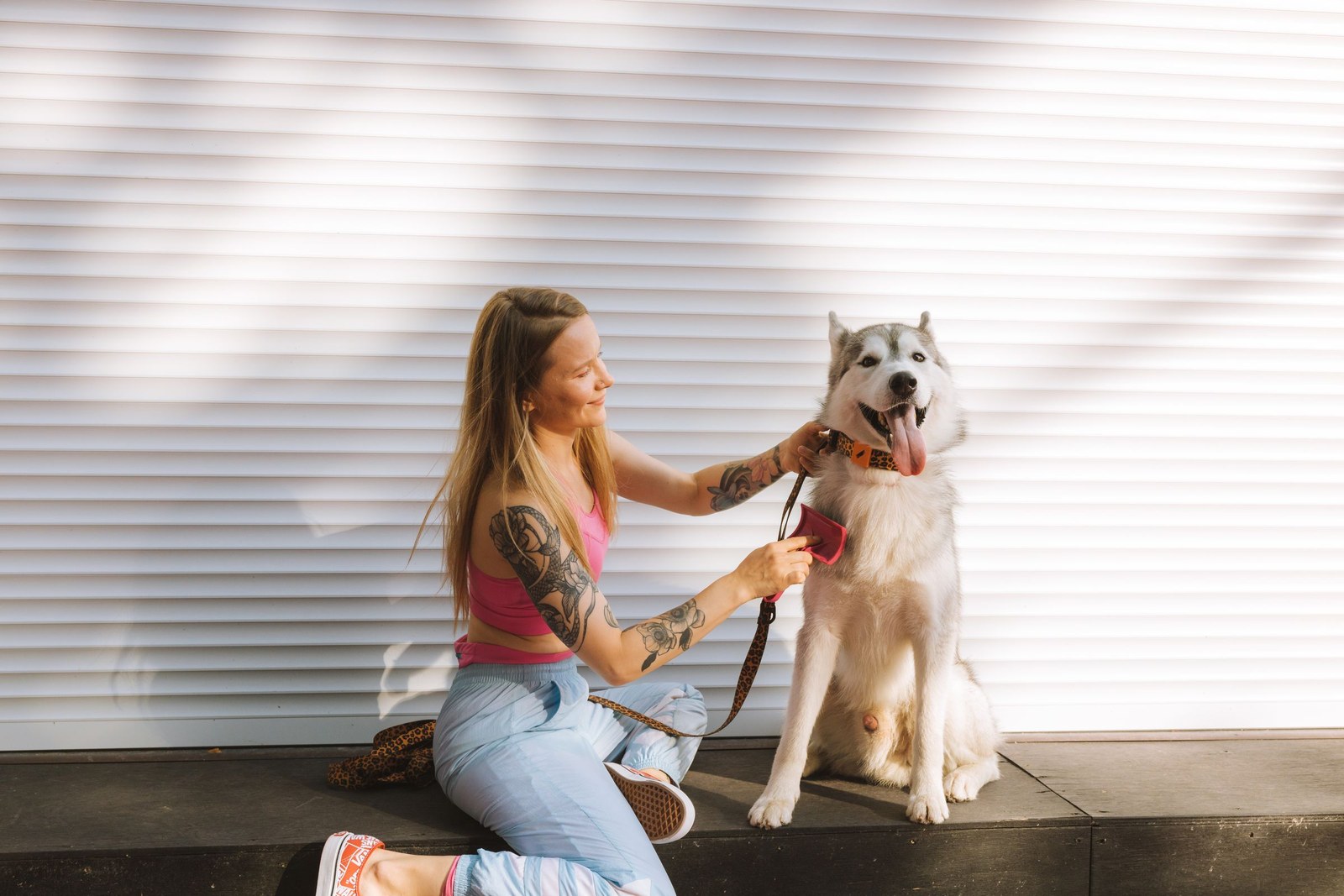
For most dogs, heavy shedding in spring and fall is completely normal — they are trading a winter coat for a summer one, or the reverse — and many breeds shed steadily all year. What is not normal is sudden, patchy loss: bald spots, broken skin, or shedding that arrives with itching, redness, odor, or a dog who seems unwell. That combination deserves your veterinarian's input.
Shedding patterns by coat type
Double-coated breeds like Huskies, German Shepherds, Labradors, and Corgis famously "blow" their undercoat seasonally, producing tumbleweeds of fluff over a few weeks. Single-coated and curly breeds — Poodles and many doodle mixes — shed far less visibly but mat instead. Short-coated dogs like Boxers and Dalmatians shed fine hairs constantly onto every dark surface you own.
Indoor living blurs the seasons. Central heating, artificial light, and a stable indoor temperature mean many house dogs now shed moderately year-round with two heavier peaks, rather than on a wild dog's calendar. Spaying, whelping, illness, stress, and age can also temporarily change how much hair lets go, which is why a sudden shift matters more than the total volume.
Brushing: managing, not stopping
Brushing will not stop shedding, and nothing healthy will — the cycle is built in. What brushing does is remove loose hair on your terms: into the brush instead of onto the sofa, and off the dog before it mats. During a coat blow, short daily sessions beat one marathon that your dog hates. Use tools matched to the coat — a slicker or undercoat tool for double coats as directed, a gentle brush for short coats — and stop if skin looks irritated.
Brushing is also your inspection time. Run your hands against the coat, check for fleas, ticks, lumps, dry patches, and tenderness, and look at the skin under all that hair. Bathe only as needed with dog-specific shampoo; over-bathing dries skin and can make shedding look worse.
Household survival without resentment
Washable throws on favorite furniture, a lint roller by the door, and vacuuming high-traffic spots little and often keep a shedding season livable. Groom after walks when coats are dry, keep a dedicated dog towel and brush by the entrance, and accept that for three weeks in April, perfection is not available. Your dog is not being difficult — they are upholstered in a seasonal material.
When shedding is a symptom
Book your veterinarian if you see bald or patchy areas, symmetrical loss on the body, red or scaly or smelly skin, relentless scratching, weight or energy changes alongside the hair loss, or shedding that suddenly doubles outside any seasonal pattern. Only an examination can separate normal coat change from parasites, allergies, infection, or an internal cause. Bring photos showing the progression and note any new foods, products, or medications — that timeline is genuinely useful, and guessing at home remedies first only muddies it.
Sharing the brush with KinsLe Care Teams
Coat care works when it happens little and often, and that is exactly what households drop when everyone assumes someone else brushed the dog. KinsLe Care Teams let you assign feeding, walks, medications, and grooming duties — brushing included — with timestamped completions, so a Tuesday brush is either done and marked, or visibly not done. During peak shed, that shared schedule keeps sessions short, regular, and fair. Put each short brushing session on the Care Teams schedule on KinsLe, assigned to a named household member who marks it done and notes any skin changes spotted underneath the coat.