
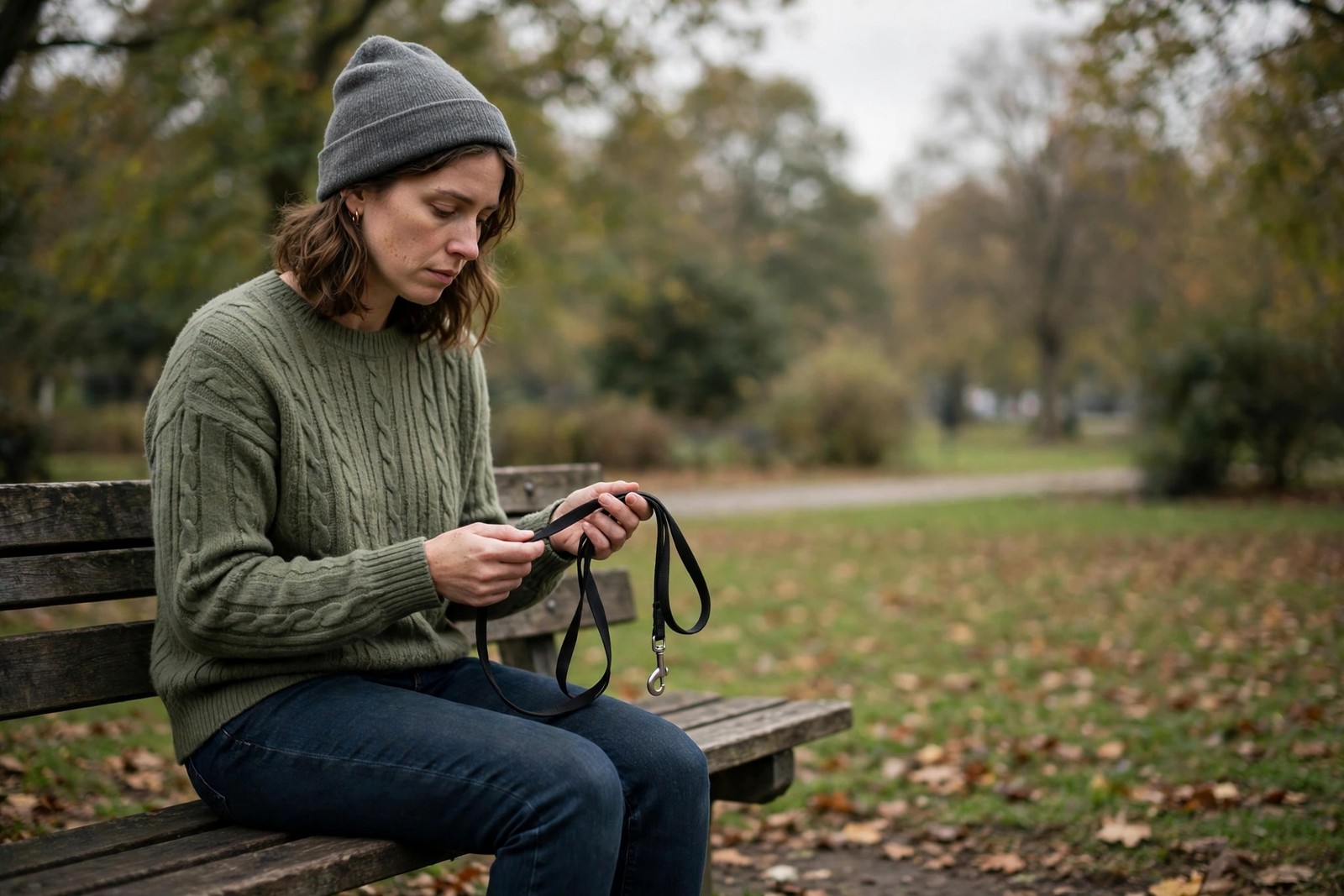
Yes, it is completely normal to grieve your dog this deeply — dogs are woven into every routine of daily life, so their loss is felt in a hundred small moments a day, and support from people who understand that bond genuinely helps.
Why This Grief Hits So Hard and So Often
You did not just lose a pet; you lost the companion of your mornings, walks, evenings, and hardest days. Grief ambushes you in the habits: reaching for the leash, listening for nails on the floor, the empty passenger seat. That frequency — dozens of reminders a day — is one reason dog loss can feel as intense as any bereavement, and research and grief counselors alike treat it as a real, significant loss.
It can also be a lonely grief. Not everyone around you will understand, and comments like "it was just a dog" or "you can get another one" sting precisely because they dismiss a family member. The grief is not the problem to fix; the lack of understanding is. You do not need to defend the size of your loss to anyone.
What Tends to Help Over Time
Talking with people who get it — fellow dog owners, a trusted friend, a pet-loss support group, or a counselor — helps most owners more than grieving in silence. Many veterinary schools, humane societies, and shelters run pet-loss support groups or hotlines, including online options if nothing local exists.
Keep some structure for yourself: regular meals, sleep, fresh air, and the walk route at the usual time, even without your dog, if you can face it — or a new route if you cannot. Allow sad days without judging them, and expect waves rather than steady improvement. Anniversaries, the first snow, the first trip to a favorite park can all reopen the ache months later. That is normal grieving, not going backwards.
If grief stays overwhelming — you cannot work, sleep, or function for an extended period, or you feel stuck in guilt about the final days — a grief counselor is a strength, not an overreaction. Ask your veterinarian or doctor for a recommendation.
Children, Other Pets, and the Question of Another Dog
Children grieve in bursts and ask blunt, repeated questions; honest, simple answers and a chance to say goodbye or make a keepsake usually help more than protective silence. Other dogs in the home may also change behavior — quieter, clingier, searching — and benefit from kept routines and extra company.
As for another dog: there is no correct timing. Some people need a long space; others heal best by loving a new dog while still missing the old one. Either is faithful to the dog you lost.
Finding People Who Understand in the Circle of Love
Support is easier to find among people who already know a dog is family. KinsLe's Circle of Love is the community of pet lovers at the heart of KinsLe — the same network whose members look out for one another's pets — and Pet Lovers can join free even without a pet, so you can be part of that community in this season too, whether you are between dogs or simply not ready. Sometimes the first step is just being among people who would never say "just a dog." In the Circle of Love on KinsLe, pet owners who have lived through losing a dog themselves offer conversation and the steady company of people who understand why the house feels so quiet.