
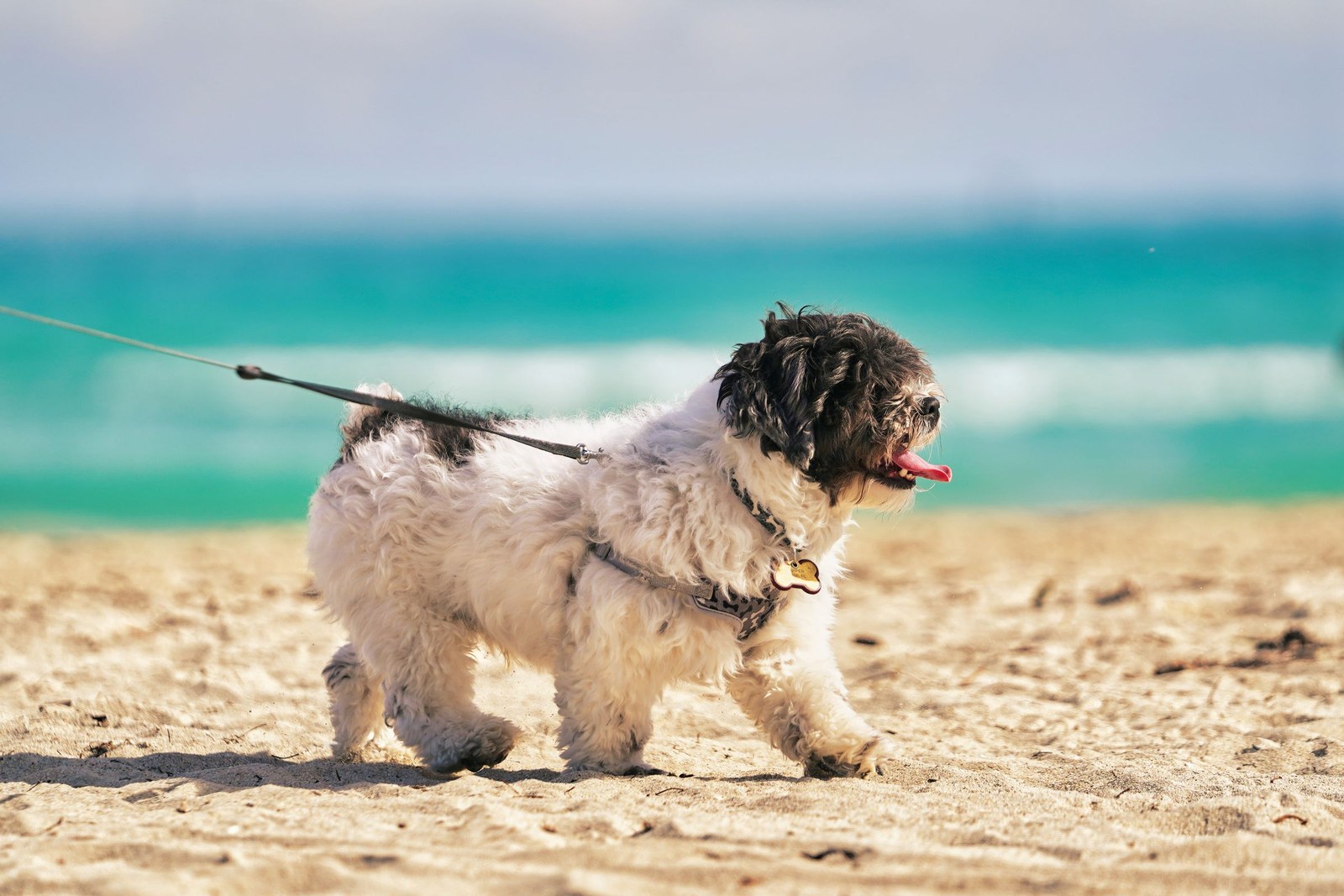
No — it is a myth, and a harmful one. Small dogs need the same things big dogs do: daily movement, mental work, manners, and social skills. The doses are smaller and the strides shorter, but the needs are identical. In fact, the classic "small dog syndrome" — the barking, lunging, ankle-charging tyrant — is usually what an under-exercised, under-trained small dog looks like.
Why the myth persists
Small dogs are simply easier to under-serve. A restless Labrador redecorates your house until you walk him; a restless Chihuahua paces a hallway you barely notice. Small dogs get carried past the scary world instead of being taught to walk through it, get their warnings laughed at instead of listened to, and get toileting accidents shrugged off because the puddle is small. Over months, that adds up to a dog who is frustrated, under-socialized, and convinced that shouting is how the world is managed. The dog is not badly bred or badly behaved by nature — the dog is under-trained by human habit.
What exercise really looks like for a small dog
Most healthy small dogs do well with a daily total of thirty minutes to an hour of activity, adjusted for age, breed, and health — a young terrier may want considerably more. Split it up: two or three real walks where the dog walks (not rides in arms or a stroller the whole way), plus play sessions. Sniffing counts double — a slow, sniffy "decompression" walk around the block can settle a small dog more than a brisk march. Flat-faced breeds and very tiny dogs need care in heat and cold, and any dog with health issues should have exercise tailored with your veterinarian's input.
Training is not optional at any size
Every small dog should learn the same core skills as a big dog: come when called, walk politely on a leash, settle on a mat, leave it, and greet people without launching. Recall matters enormously — a three-kilogram dog off leash at the park is the most vulnerable animal there, and "she's too small to bother" is how small dogs get hurt. Train with the same reward-based methods you would use for a Rottweiler, in short sessions with high-value treats cut genuinely tiny. Also train the unglamorous skills: being handled, having paws and teeth checked, and riding calmly in a carrier.
Mental work: the missing piece
Puzzle feeders, snuffle mats, scatter-feeding in grass, cardboard boxes to shred, and learning one new trick a month all count as work for a small brain. Rotate toys instead of leaving a mountain of them out. Ten minutes of nose games can produce the happy tiredness owners mistakenly think only a long run creates — and it is joint-friendly for older small dogs too.
Build the routine — and share it
The secret is consistency, and consistency is easier when the plan is written down. KinsLe's Care Teams let you assign your small dog's walks and training practice just like any other dog's, with duties shared across the household and completions timestamped so nothing silently slips. Write the plan once in the Care Teams roster on KinsLe, assigning practice sessions and daily walks to specific household members who log each outing, so cues and expectations stay identical from every person at home.