
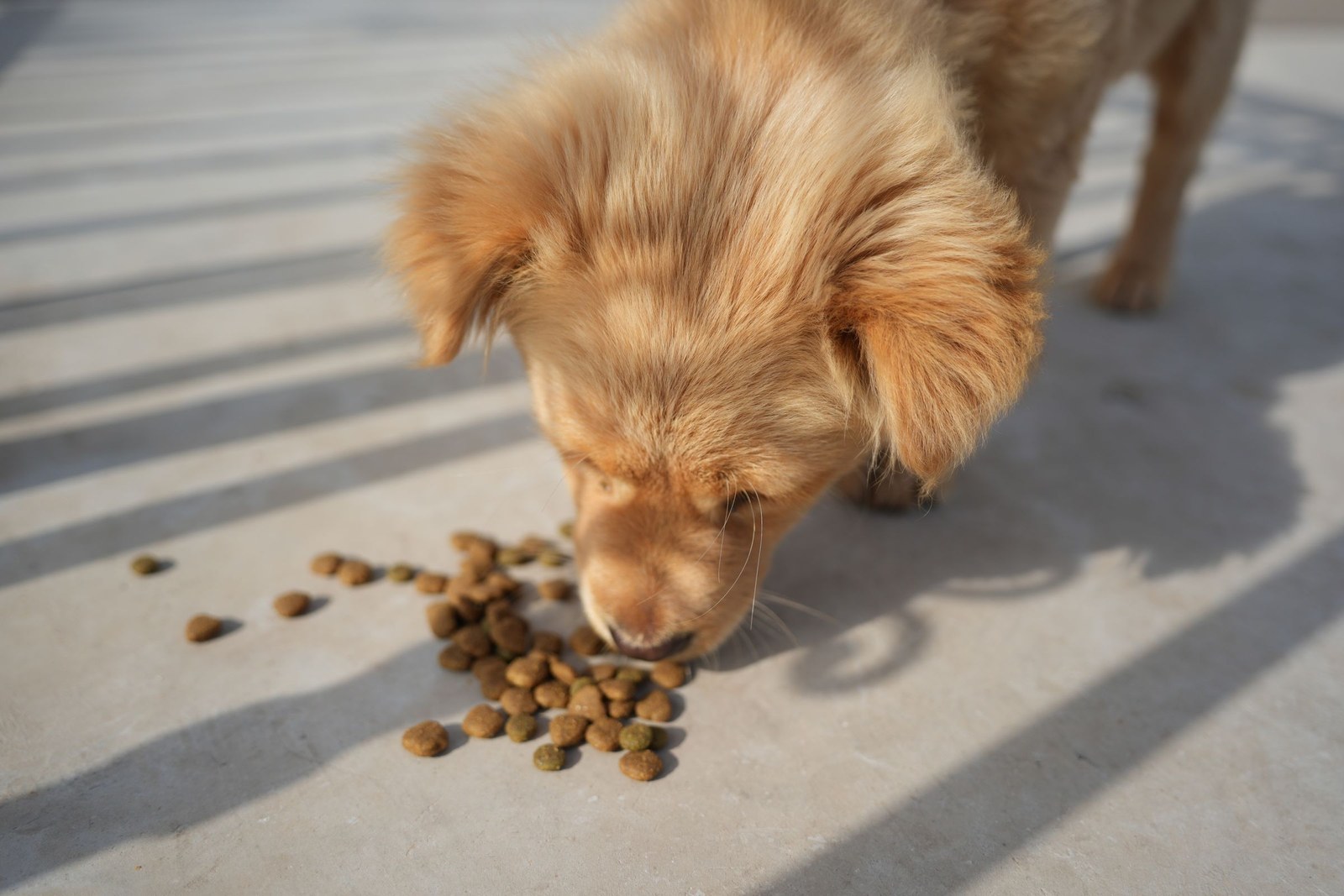
No food will stop normal seasonal shedding, but a complete, good-quality diet does support a healthier skin and coat, and some dogs may benefit from added omega-3 fatty acids — always check with your veterinarian before adding any supplement.
What a Coat Actually Needs From Food
Hair is mostly protein, so a diet that provides adequate, digestible protein is the foundation of a strong coat. Balanced fats help maintain the skin barrier, which reduces dryness and flaking. Vitamins and minerals supplied in a complete diet formulated for your dog's life stage — puppy, adult, or senior — also play a role. Puppies, pregnant dogs, and very active breeds like Border Collies or Vizslas have different nutritional demands than a sedentary senior, so one food does not fit every dog.
If your dog's coat turned dull after a food change, that timing matters. A sudden switch can upset digestion, and a diet that is incomplete or heavily filled with ingredients your dog tolerates poorly may show up first as itching, soft stools, and extra loose hair.
The Omega-3 Question
Omega-3 fatty acids from fish oil are the supplement owners ask about most for coats. For some dogs they can support skin comfort and shine, but they are not appropriate for every dog, every dose, or every health condition. They can interact with other conditions and products, and too much of any supplement can cause digestive upset. That is why this is a vet conversation, not a shopping decision: your veterinarian knows your dog's weight, history, and current medications and can advise whether a supplement makes sense at all.
Be skeptical of bold promises. Products that guarantee a shed-free dog, instant regrowth, or a show coat in a week are marketing, not nutrition. Normal shedding in a Husky, Pomeranian, or German Shepherd will continue no matter what you feed, because it is driven by coat cycle and daylight, not a deficiency.
How to Change Food Safely
If you and your vet decide to try a different food, transition gradually over about a week, mixing increasing amounts of the new food with decreasing amounts of the old. Watch appetite, stools, skin, and energy during the switch. Introduce only one change at a time — new food or a new supplement, not both — so you can actually tell what helped, what did nothing, and what caused a problem.
Keep fresh water available at all times, feed measured portions to maintain a healthy weight, and be cautious with trendy or homemade diets. Homemade and raw diets are easy to make nutritionally incomplete without professional guidance, and an unbalanced diet can quietly harm coat, bones, and overall health over time.
Tracking Whether a Change Helped
Coats change slowly, so give any vet-approved change several weeks before judging it, and judge by more than the vacuum cleaner. Note shine, flaking, scratching, and how much hair comes out in a standard brushing session. KinsLe's Pet Passport lets you record what your dog eats, along with vaccines, medications, and allergies, in one shareable records packet, so you and your vet can see exactly when a food changed and what followed. Pet Passport on KinsLe turns that feeding trial into a checkable log — food start dates, brushing results, and coat shine noted week by week for the next vet conversation.