
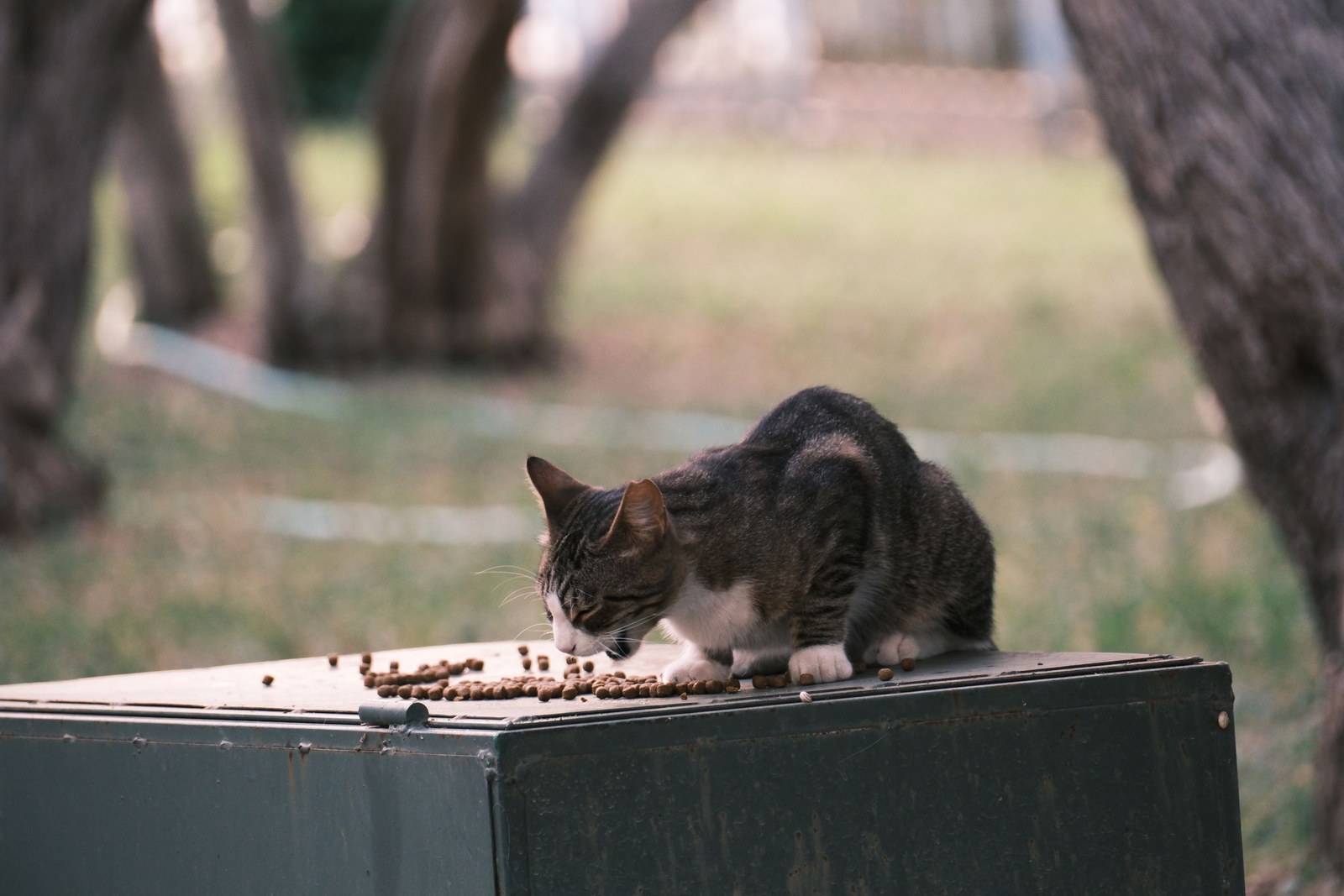
Neither wet food nor dry food wins for every cat — the better choice is the one that keeps your individual cat hydrated, at a healthy weight, and eating happily. Wet food brings valuable moisture and tends to suit cats who barely drink, while dry food is convenient, economical, and easy to portion. Many owners land on a mix of both, and that middle path is often the most practical of all.
The case for wet food
Cats evolved from desert-dwelling hunters and carry a naturally low thirst drive; in the wild, most of their water arrived inside their prey. Wet food, which is typically around 70 to 80 percent water, quietly restores that balance. A cat eating mostly wet food may barely visit the water bowl yet still be well hydrated overall.
Wet food also tends to be higher in protein and lower in carbohydrates than kibble, and its stronger smell tempts fussy eaters, seniors with a fading sense of smell, and cats recovering their appetite after illness. The trade-offs are real, though: it costs more per calorie, needs refrigeration once opened, and should not sit out for hours.
The case for dry food
Dry food is the convenient workhorse. It keeps in the cupboard, works in puzzle feeders and timed dispensers, and can stay out briefly without spoiling — handy for a midday portion while you are at work. Cost per day is usually lower, which matters in multi-cat households.
The common claim that kibble cleans teeth is mostly wishful thinking; most cats crunch it too quickly for much scrubbing effect. And because dry food is calorie-dense and easy to over-pour, it is the format most often behind slow, unnoticed weight gain. Measured portions matter far more with kibble than with wet food.
How to decide for your cat
Watch the cat in front of you rather than the debate online:
- Hydration: a cat who rarely drinks usually benefits from at least one wet meal a day.
- Weight: an overweight cat often does better on wet food's larger, more filling portions; an underweight cat may need kibble's density.
- Teeth and mouth: a cat with sore teeth or missing teeth will usually manage soft food far more comfortably.
- Budget and schedule: the best food is one you can afford and serve consistently, every single day.
Transition slowly over a week or so, mixing increasing amounts of the new food into the old, and monitor stools, coat, energy, and the litter box as your feedback.
A note on special situations
Cats with kidney concerns, urinary issues, or diabetes often have specific dietary needs where format genuinely matters — those decisions belong with your veterinarian, who knows your cat's history. Likewise, kittens, pregnant cats, and seniors each have different nutritional targets that a general comparison cannot cover.
Recording what actually works
Once you find the combination your cat thrives on, write it down where others can find it. KinsLe's Pet Passport is the records packet for your cat — vaccines, medications, allergies, and documents — and it is a natural place to note the foods your cat does well on and any that cause trouble, so a sitter or vet sees the same information you do. When one combination clearly suits your cat, file its format, flavor, portion, and stool response as the Pet Passport entry on KinsLe, so that exact menu reaches a sitter without any guesswork.